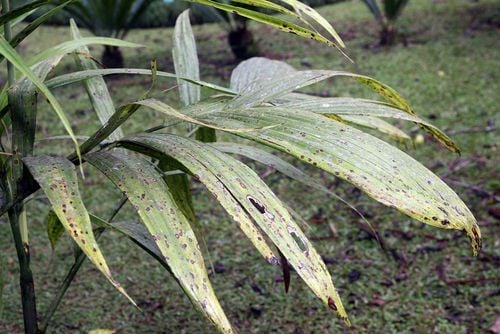
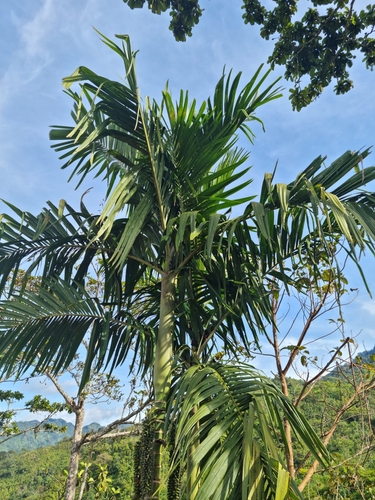
Acrocomia intumescens
Drude
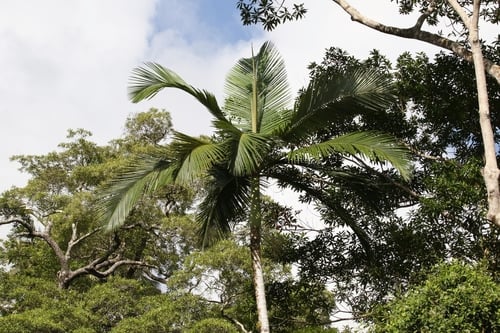
iNaturalist· cc-by-nc
(c) charlesavenengo, some rights reserved (CC BY-NC), uploaded by charlesavenengo
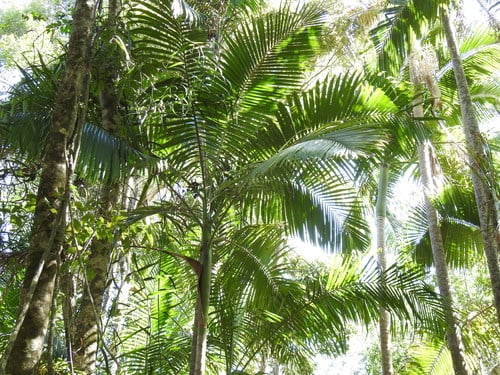
iNaturalist· cc-by-nc
(c) Marcondes Oliveira, some rights reserved (CC BY-NC), uploaded by Marcondes Oliveira
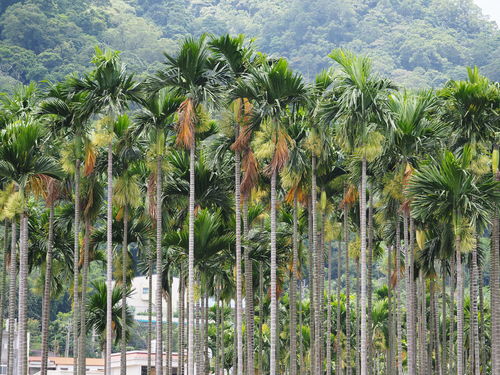
iNaturalist· cc-by-nc
(c) Célio Moura Neto, some rights reserved (CC BY-NC), uploaded by Célio Moura Neto
Summary
Source: WikipediaAcrocomia intumescens, the macaúba-barriguda tree, is a palm tree in the genus Acrocomia. It is native to the Brazilian states of Alagoas, Pernambuco, Rio Grande do Norte, Paraíba and Ceará. It occurs in the Atlantic Forest, both in the Zona da Mata and in the Caatinga moist-forest enclaves. This palm is one of two species that are locally known by the name of macaúba, macaíba, boicaiuva or coco-de-catarro, the other being Acrocomia aculeata. The local names are derived from the Tupi word ma'kaí'ba, meaning "yellow-coconut".
Description
A shrub or small tree. It grows 5 m tall. There are prickles along the stem. The leaves are twice divided and there are 8-18 pairs of pinnae. There are up to 50 pairs of pinnules on each pinnae. The flowers are yellow. They are in large clusters at the ends of branches. The pods are flattened.
Edible Uses
The plant is widely used in urban afforestation of squares and roads in Northeast Brazil, and its wood is widely used in civil constructions. The fruits have an edible mesocarp.
Distribution
It is a tropical plant.
Where It Grows
Brazil, South America,
References (1)
- Facciola, S., 1990, Cornucopia: A Source Book for Edible Plants. Kampong Publications