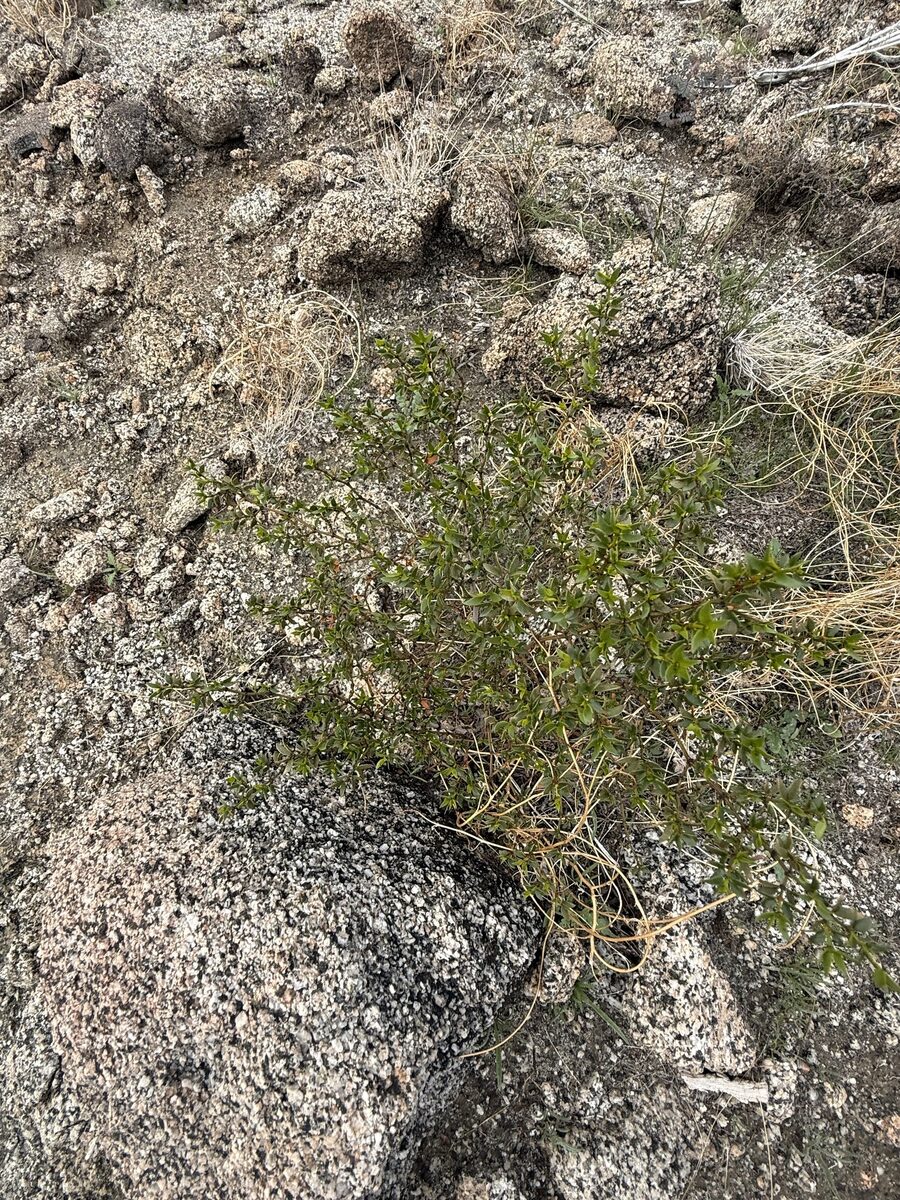
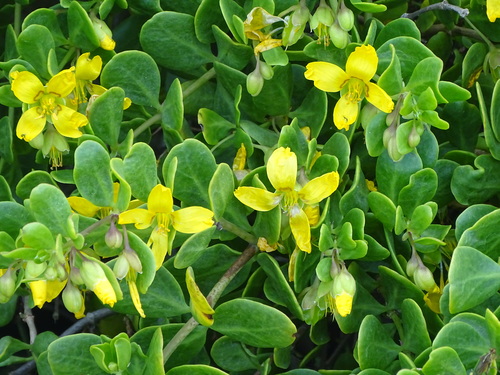
Larrea divaricata
Cav.
Chaparral
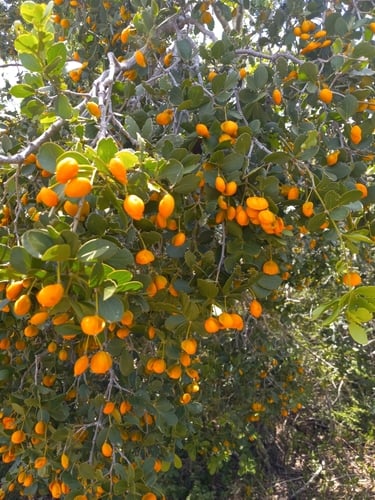
iNaturalist· cc-by
(c) Dick Culbert, some rights reserved (CC BY)
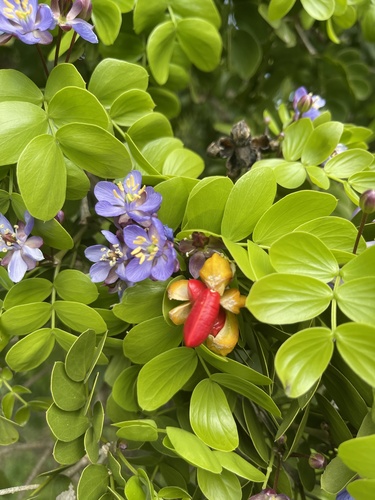
iNaturalist· cc-by
(c) Guillermo Debandi, some rights reserved (CC BY), uploaded by Guillermo Debandi
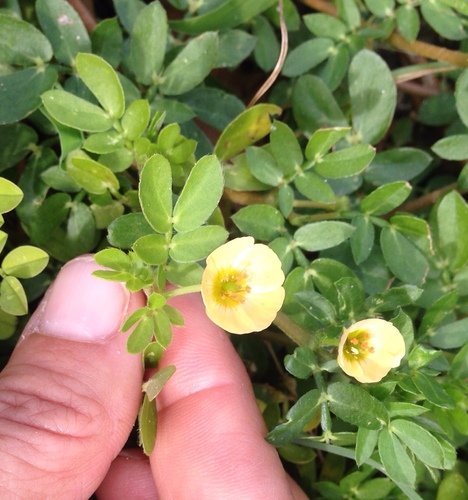
iNaturalist· cc-by
(c) aacocucci, some rights reserved (CC BY), uploaded by aacocucci
Summary
Source: WikipediaLarrea divaricata, commonly known as chaparral, is a small evergreen bush in the family Zygophyllaceae. It is native to arid regions of South America, where it is known as jarilla or jarillo. It was first described in 1800 by the Spanish botanist Antonio José Cavanilles.
Description
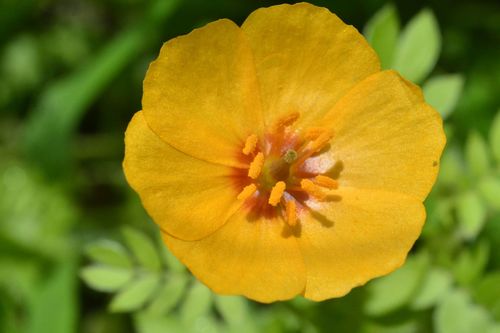
A low shrub. It grows 3 m tall. The leaves are small and dark green and in opposite pairs. The flowers are yellow. The fruit are dry capsules. They contain 5 seeds.
Traditional Uses
Caution: It should not be used at all by pregnant women.
This uses section is brief — help expand it
Medicinal Uses
The resin contains lignans, polyphenolic substances with possible therapeutic uses. The plant also contains guaiaretic acid and its derivatives, flavonoids, triterpenes, and other organic substances. In Bolivia, an extract of L. divaricata has been used as an abortifacient. Since this plant is suspected of being used as an adulterant in preparations of "chapparral", a herbal remedy made from L. tridentata, the use of that substance during pregnancy and lactation is not advised. An aqueous extract has been shown to have antimicrobial properties against Helicobacter pylori, a Gram-negative bacterium found in the stomach and known to be associated with gastritis, peptic ulcers, and stomach cancer.
Known Hazards
Should not be used at all by pregnant women.
Distribution
It is a tropical plant.
Where It Grows
Argentina, Bolivia, Chile, Peru, South America,
Synonyms
References (1)
- World Checklist of Useful Plant Species 2020. Royal Botanic Gardens, Kew