Cycas cairnsiana
F. Muell.
Zamia Palm, Mount Surprise cycad
iNaturalist· cc-by
(c) coenobita, some rights reserved (CC BY), uploaded by coenobita
iNaturalist· cc-by
(c) coenobita, some rights reserved (CC BY), uploaded by coenobita
iNaturalist· cc-by
(c) coenobita, some rights reserved (CC BY), uploaded by coenobita
Summary
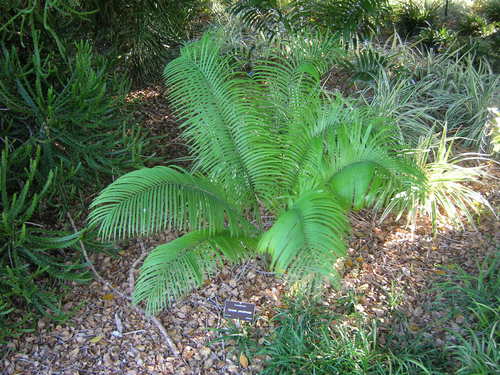
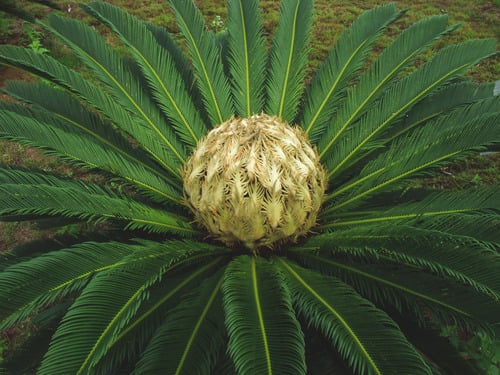
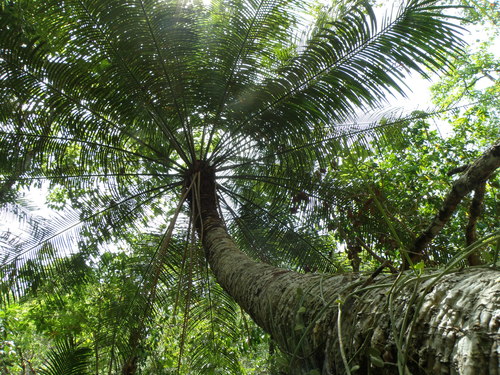
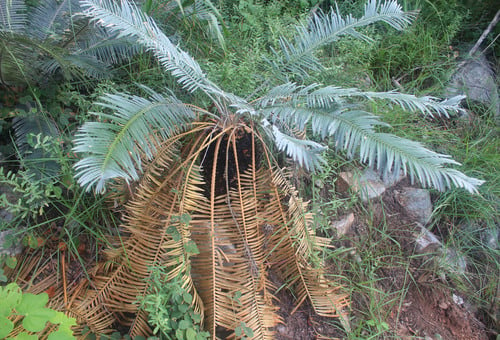
Source: WikipediaCycas cairnsiana is a species of cycad in the genus Cycas, native to northern Australia in northern Queensland on the Newcastle Range. The stems grow to 2–5 m tall and 12–16 cm diameter, with swollen base. The leaves are dark orange-brown tomentose on emerging, then glaucous blue-green and glabrous with age, 60–110 cm long, bowed, keeled, pinnate, with 180-220 leaflets, the leaflets 8–18 cm long and 2–4 mm wide. The petioles are 18–27 cm long, and armed with sharp spines. The female cones are open, with sporophylls 16–21 cm long, with two to four ovules per sporophyll. The lamina is narrowly triangular, with toothed margins and an apical spine. The sarcotesta is yellow-brown with a waxy coating, the sclerotesta ovoid and flattened. The male cones are solitary, ovoid, 16–20 cm long and 7–10 cm diameter, brown, and with an upturned apical spine. It is named after William Cairns, governor of Queensland from 1875–1877.
Description
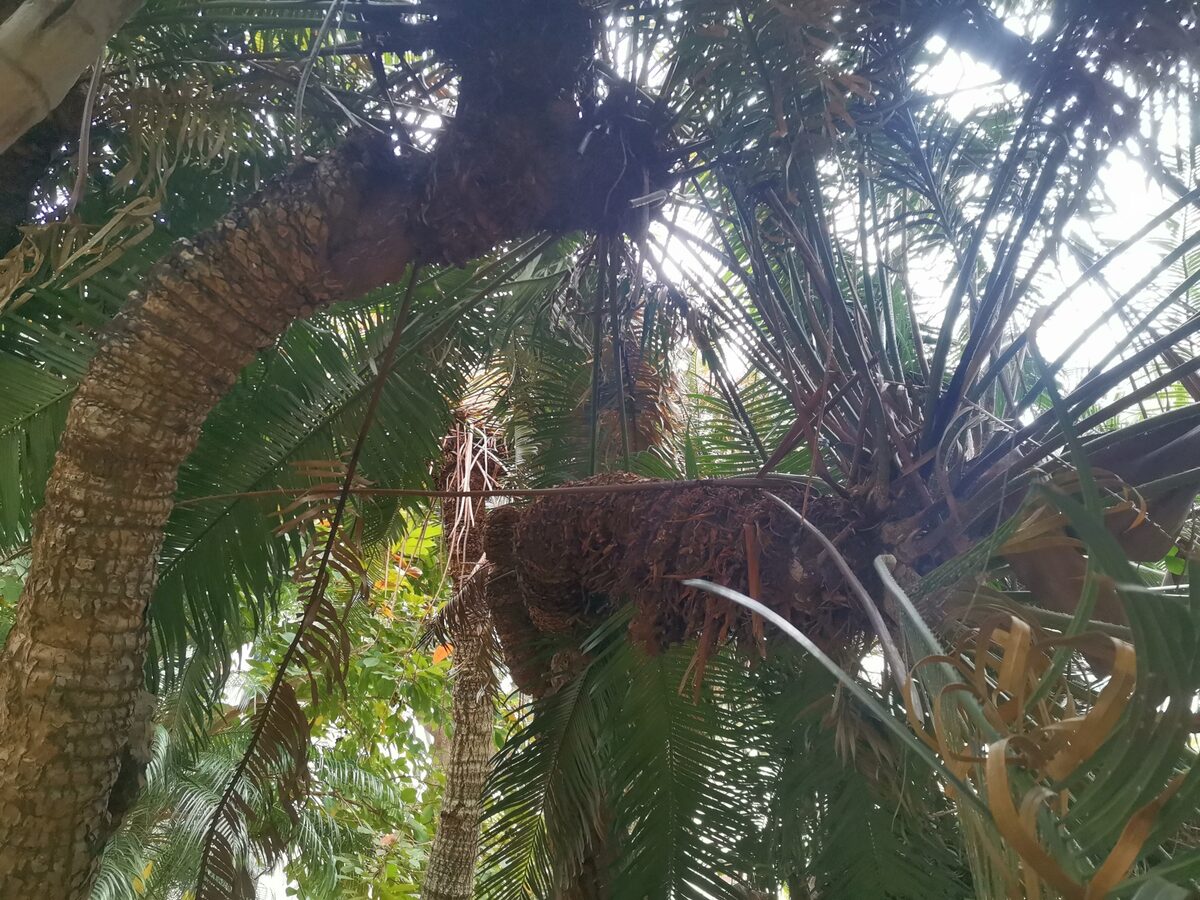
A small palm like plant. It has a trunk 2-5 m tall. The trunk is stout and swollen at the base. The leaves are divided into leaflets along the stalk. The leaves are 1-2 m long. The stalk is hairy and slightly bluish. The leaflets are narrow and the edges are curled under. Leaflets are V shaped and 6-15 cm long by 0.4 cm wide. The male cone is oval and golden brown. The female spikes are sword shaped and rusty brown. The fruit are shiny brown and about 2 cm long.
Known Hazards
The seeds require caution and should not be consumed without proper preparation.
Distribution
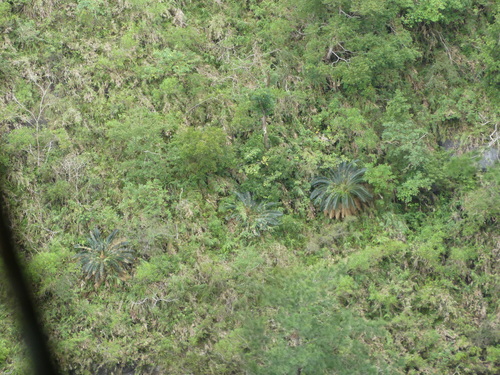
A tropical plant. It grows in stony shallow soils in Northeast Queensland in Australia.
Where It Grows
Australia*,
Cultivation
Plants can be grown from seed which is best sown fresh. Seed should only be half buried. Seedlings are hard to establish.
Notes
There are about 20-40 Cycas species.
References (8)
- Beck, W., 1992, Aboriginal Preparation of Cycas Seeds in Australia. Economic Botany, Vol. 46, No. 2, pp. 133-147
- Elliot, W.R., & Jones, D.L., 1984, Encyclopedia of Australian Plants suitable for cultivation. Vol 3. Lothian. p 148
- Fragm. 10:63. 1876-77
- Jones, D.L., 2000, Cycads of the world. Reed New Holland. p 134
- Marinelli, J. (Ed), 2004, Plant. DK. p 366
Show all 8 references Hide references
- Morley, B.D., & Toelken, H.R., (Eds), 1983, Flowering Plants in Australia. Rigby. p 27
- Townsend, K., 1994, Across the Top. Gardening with Australian Plants in the tropics. Society for Growing Australian Plants, Townsville Branch Inc. p 152
- Williams, K.A.W., 1999, Native Plants of Queensland Volume 4. Keith A.W. Williams North Ipswich, Australia. p 388