Toona sureni
(Blume) Merr.
iNaturalist· cc-by-nc
(c) Ganjar Cahyadi, some rights reserved (CC BY-NC)
iNaturalist· cc-by-nc
(c) Ganjar Cahyadi, some rights reserved (CC BY-NC)
iNaturalist· cc-by-nc
(c) Ganjar Cahyadi, some rights reserved (CC BY-NC)
Summary
Source: WikipediaToona sureni is a species of tree in the mahogany family. It is native to South Asia, Indochina, Malesia, China, and Papua New Guinea. It is commonly known as the suren toon, surian, limpaga, iron redwood or the red cedar (a name also shared with various other trees). It is also known as the Indonesian mahogany or the Vietnamese mahogany. The species is a valuable timber tree.
Description
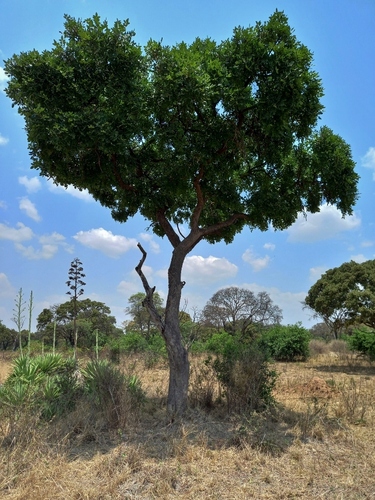
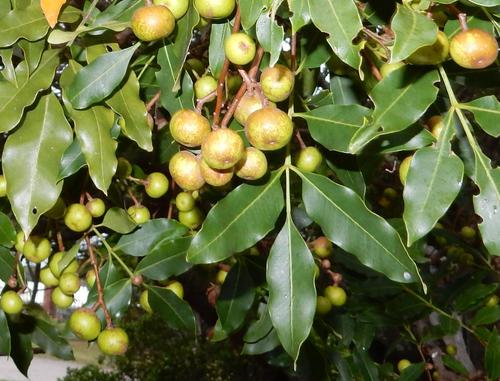
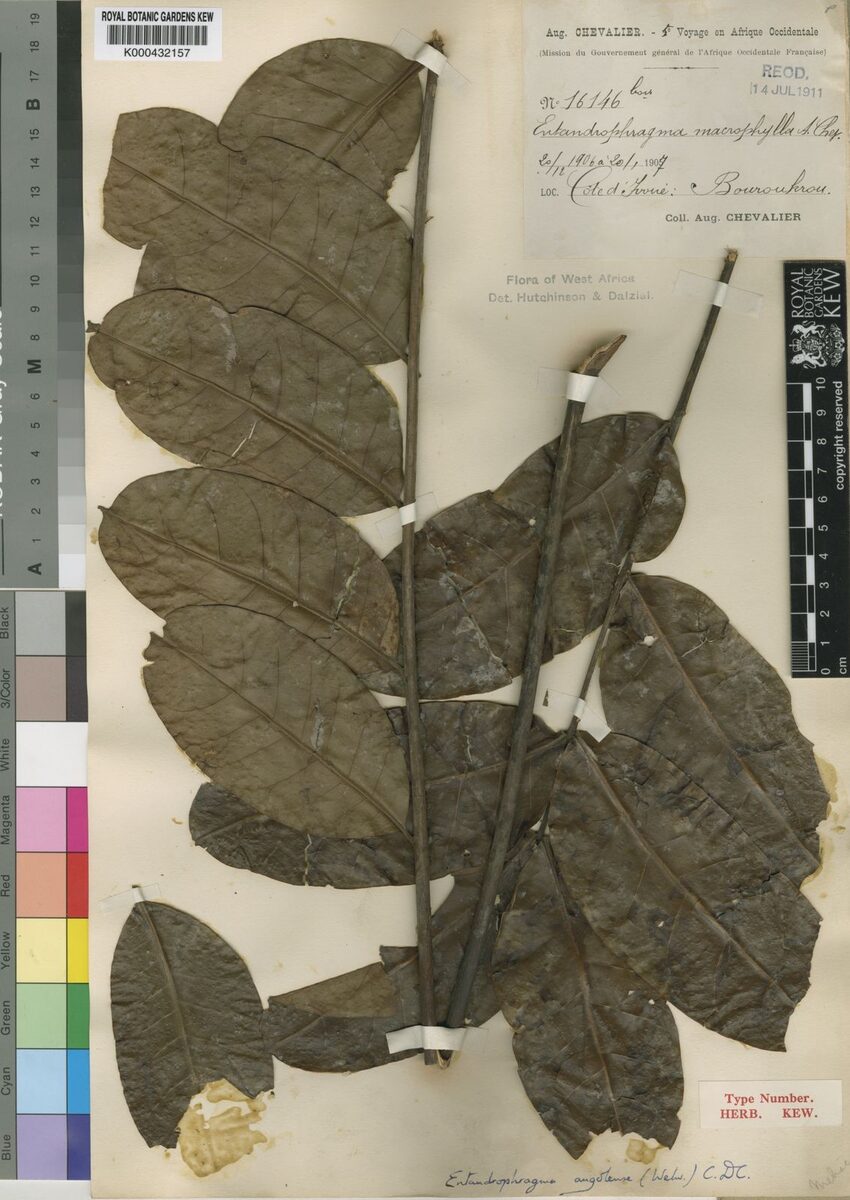
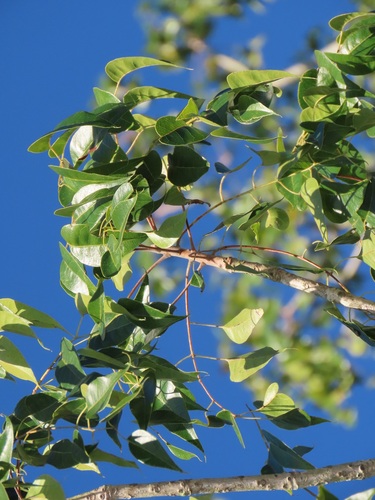
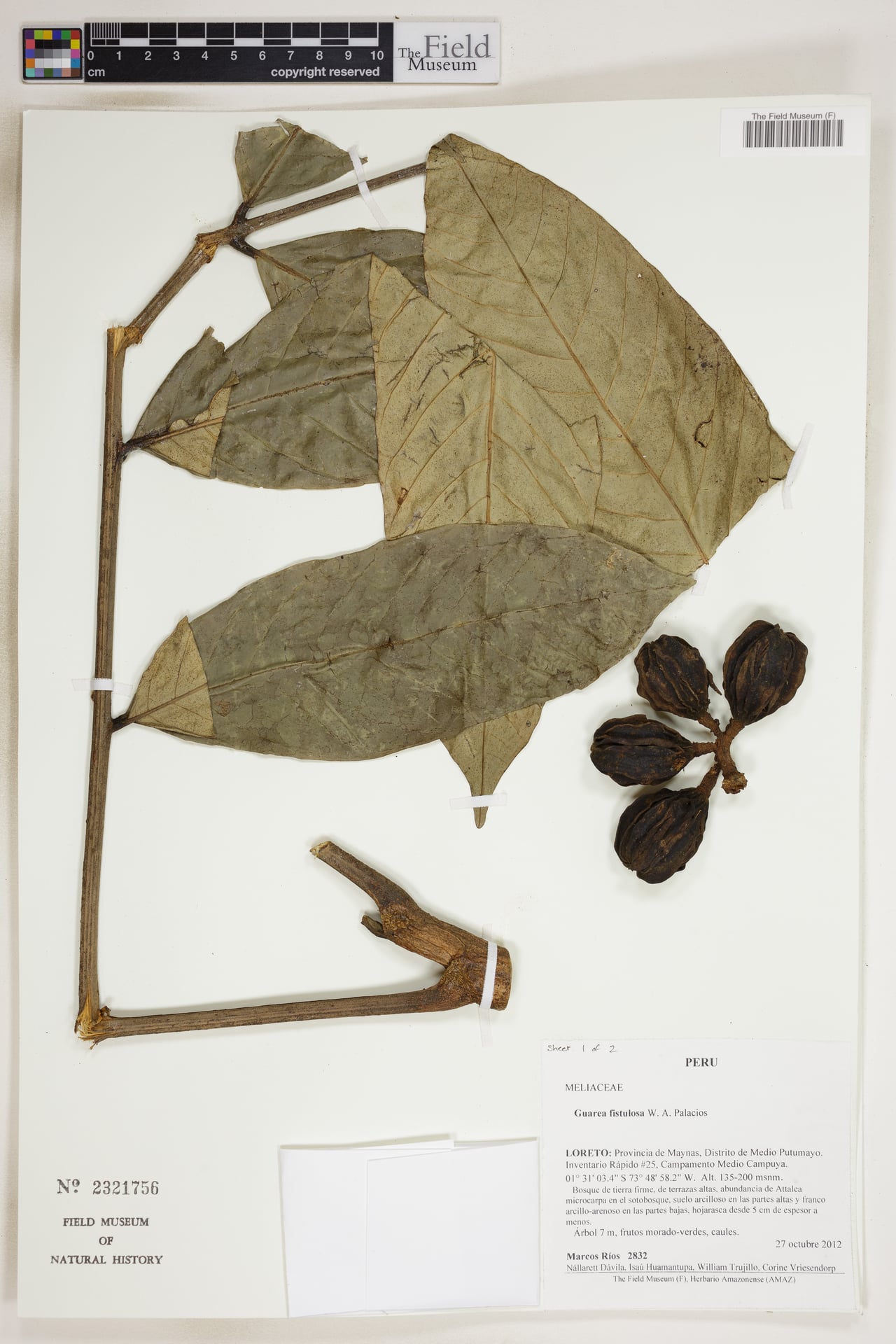
A tree. It grows 40 m tall. The trunk can be 1-3 m across. The crown is wide spreading. The leaves have leaflets along the stalk. The leaves are 29-84 cm long. They are clustered in spirals near the ends of twigs. The flowering shoots are near the tips of branches. The fruit are leathery capsules 25 mm long.
Edible Uses
Young shoots are harvested and eaten cooked.
Traditional Uses
The young shoots are cooked.
This uses section is brief — help expand it
Medicinal Uses
Various parts of the plant, especially the bark, are used in local medicine as astringents and tonics and to treat diarrhoea. The bark is a powerful astringent and purgative used throughout its range, and is also considered antiperiodic, antirheumatic, and tonic. It is used in the treatment of diarrhoea, dysentery, and other intestinal infections. An infusion made from the flowers is said to have an antispasmodic effect. Leaf extracts have demonstrated antibiotic activity against Staphylococcus, and concoctions made from leaf tips are applied externally to swellings.
Known Hazards
Wood dust may irritate mucous mebranes or induce bronchitis or dermatitis.
Distribution
It is a tropical plant. It grows up to 1,700 m above sea level.
Where It Grows
Asia, Bhutan, Cambodia, China, India, Indonesia, Laos, Malaysia, Myanmar, Nepal, Papua New Guinea, PNG, SE Asia, Thailand, Vietnam,
Cultivation
Plants can be grown from fresh seed. It grows quickly.
Propagation
Seed is best sown as soon as it is ripe, as viability drops significantly within the first 2–3 months. No pre-treatment is needed — seeds germinate readily when sown in a seedbed under 60% shading, with germination rates of up to 80% occurring within 4–7 days. Seedlings can be transplanted into containers after one month. Stem cuttings taken from 2–4-year-old material, treated with indolebutyric acid (IBA) and placed in a sawdust medium, have achieved around 60% rooting success.
Other Uses
Often planted in tea estates as a windbreak. The flowers yield red and yellow dyes, and the bark and fruits can be processed for essential oils. Extracts from the bark, heartwood, and leaves have demonstrated insecticidal properties. Fibres from the bark are used to make string bags. The heartwood is light red or brown, clearly distinct from the white, pink, or pale red sapwood. The wood is moderately durable but susceptible to dry-termite and borer attack. Sweetly aromatic when cut, it saws easily and has good general woodworking properties, though some material tends to produce a woolly finish, making sharp tools essential. Mortising, turning, and sanding give moderate results; boring can give poor results; gluing and nailing are rated good, though nail-holding strength is moderate. It is an excellent timber used for high-class cabinetry, furniture, interior finishing, decorative panelling, crafts, musical instruments, cigar boxes, veneers, boxes, and general construction.
Synonyms
References (2)
- Ferns, K., Useful Tropical Plants.
- World Checklist of Useful Plant Species 2020. Royal Botanic Gardens, Kew