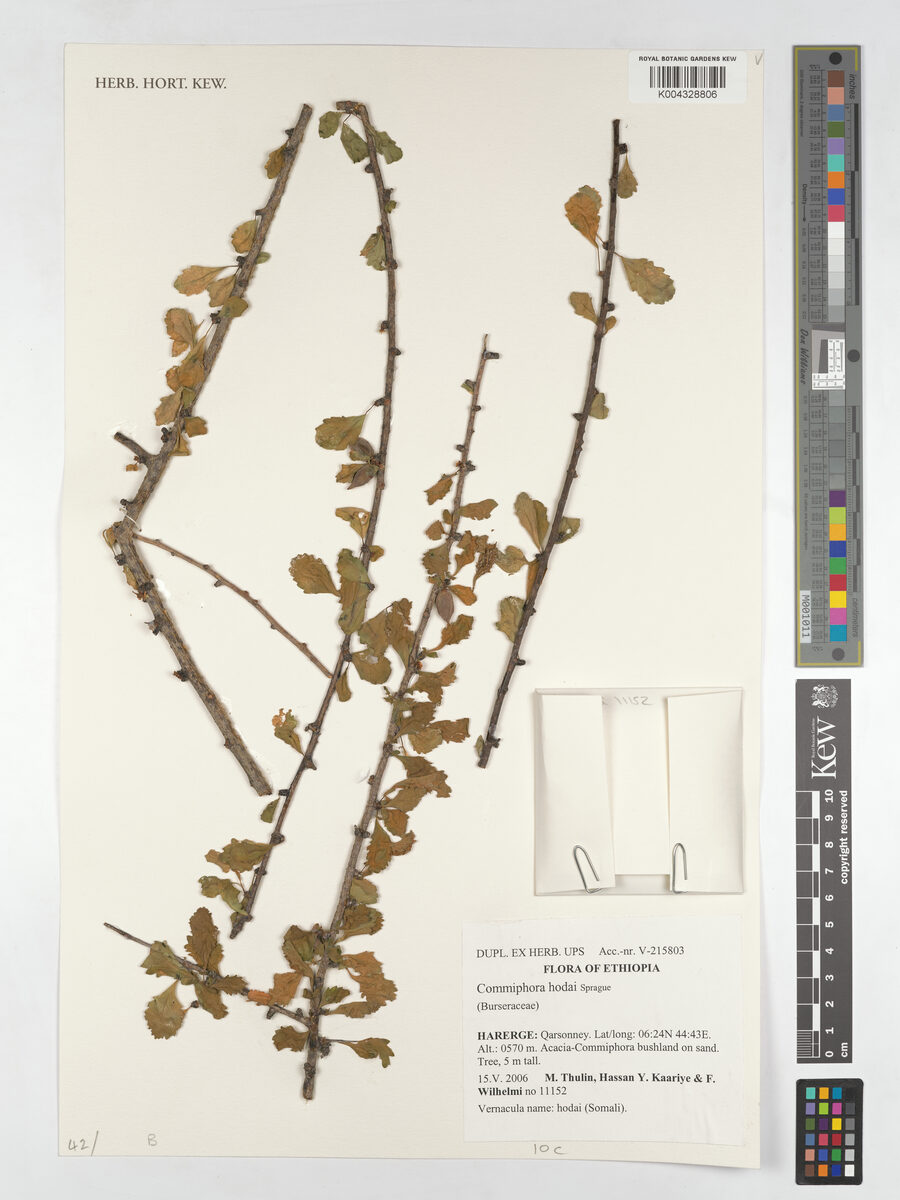
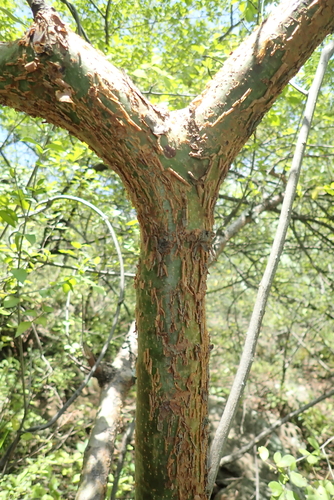
Commiphora samharensis
Schweinf.
Aliboy
Description
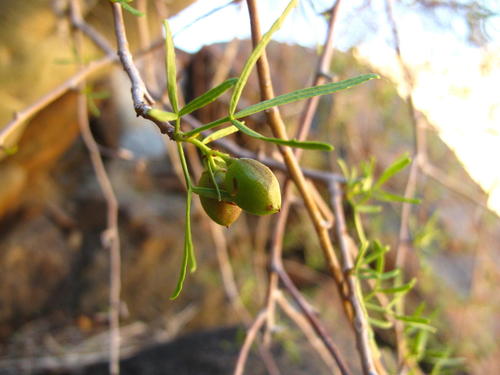
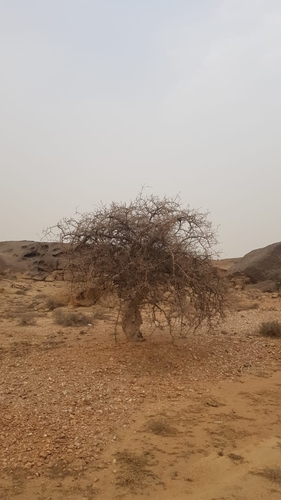
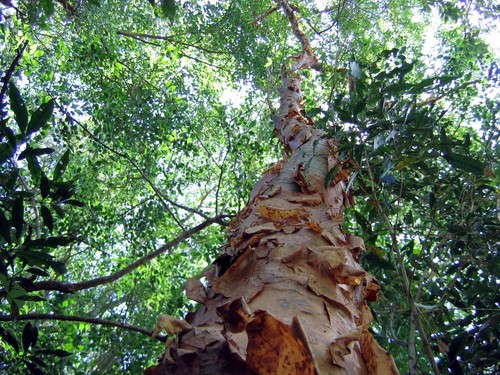
A shrub or tree. It has spines. It grows 6-9 m high. The fruit are 5-7 mm long.
This description is brief — help expand it
Edible Uses
The leaves are eaten, and the bark can be made into tea.
Traditional Uses
The leaves are eaten. They probably contain oxalates that irritate the throat.
This uses section is brief — help expand it
Medicinal Uses
The leaves are used traditionally, though they likely contain oxalates that can irritate the throat.
Known Hazards
The leaves probably contain oxalates that irritate the throat.
Distribution
It is a tropical plant. It can grow in arid places.
Where It Grows
Africa, East Africa, Ethiopia, Kenya, Somalia, Sudan,
Synonyms
Commiphora crassispina Sprague
Also Known As
Erumosing, Habbak aloboy, Quraar
References (5)
- East African Herbarium notes, 1981,
- Mutie, F. M., et al, 2023, Important Medicinal and Food Taxa (Orders and Families) in Kenya, Based on Three Quantitative Approaches. Plants 2023, 12, 1145
- Peters, C. R., O'Brien, E. M., and Drummond, R.B., 1992, Edible Wild plants of Sub-saharan Africa. Kew. p 73
- Royal Botanic Gardens, Kew (1999). Survey of Economic Plants for Arid and Semi-Arid Lands (SEPASAL) database. Published on the Internet; http://www.rbgkew.org.uk/ceb/sepasal/internet [Accessed 5th April 2011]
- World Checklist of Useful Plant Species 2020. Royal Botanic Gardens, Kew