Jateorhiza palmata
(Lam.) Miers
iNaturalist· cc-by-nc
(c) Bart Wursten, some rights reserved (CC BY-NC), uploaded by Bart Wursten
iNaturalist· cc-by-nc
(c) Bart Wursten, some rights reserved (CC BY-NC), uploaded by Bart Wursten
Summary
Source: WikipediaJateorhiza palmata (calumba) is a perennial climbing plant from East Africa. It contains isoquinoline alkaloids, including columbamine and is used mainly as a bitter tonic especially in cases of anorexia nervosa. It contains no tannins, hence it can be safely used in iron preparations for the treatment of anaemia without the fear of precipitation resulted from in vitro interaction.
Description
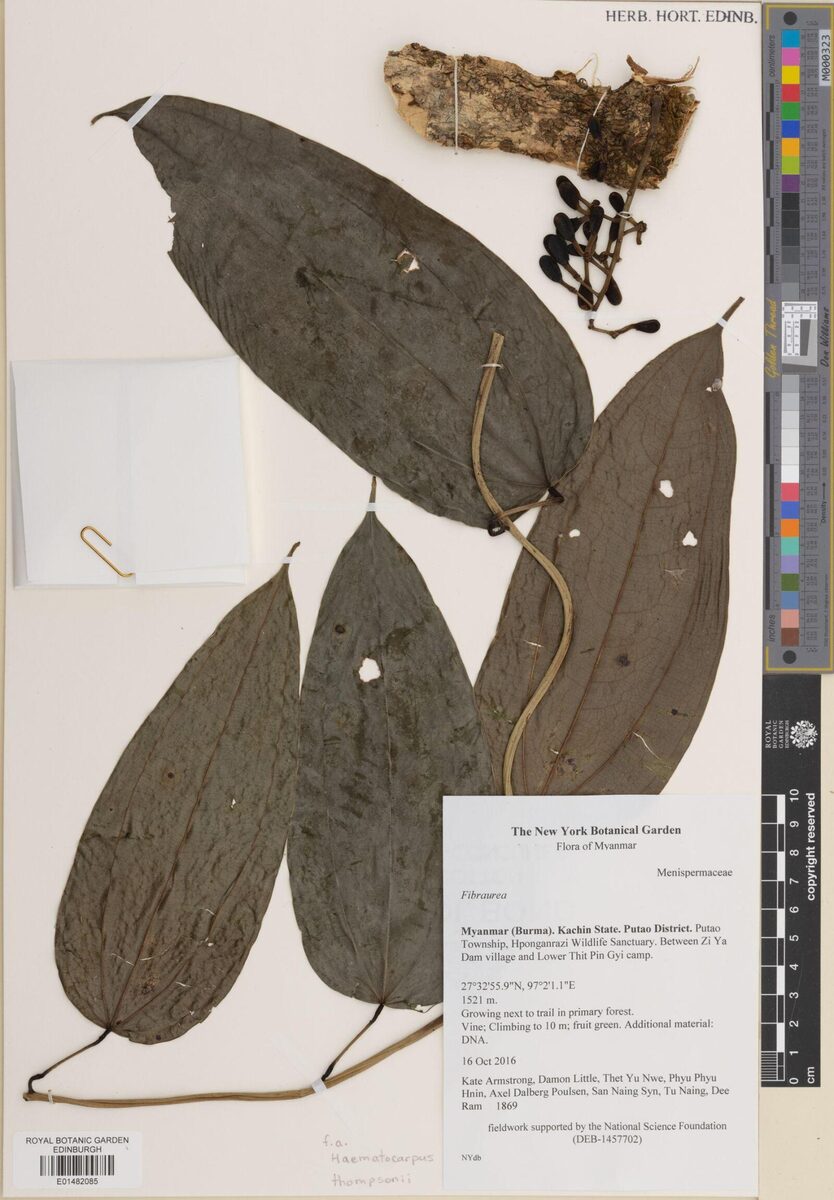
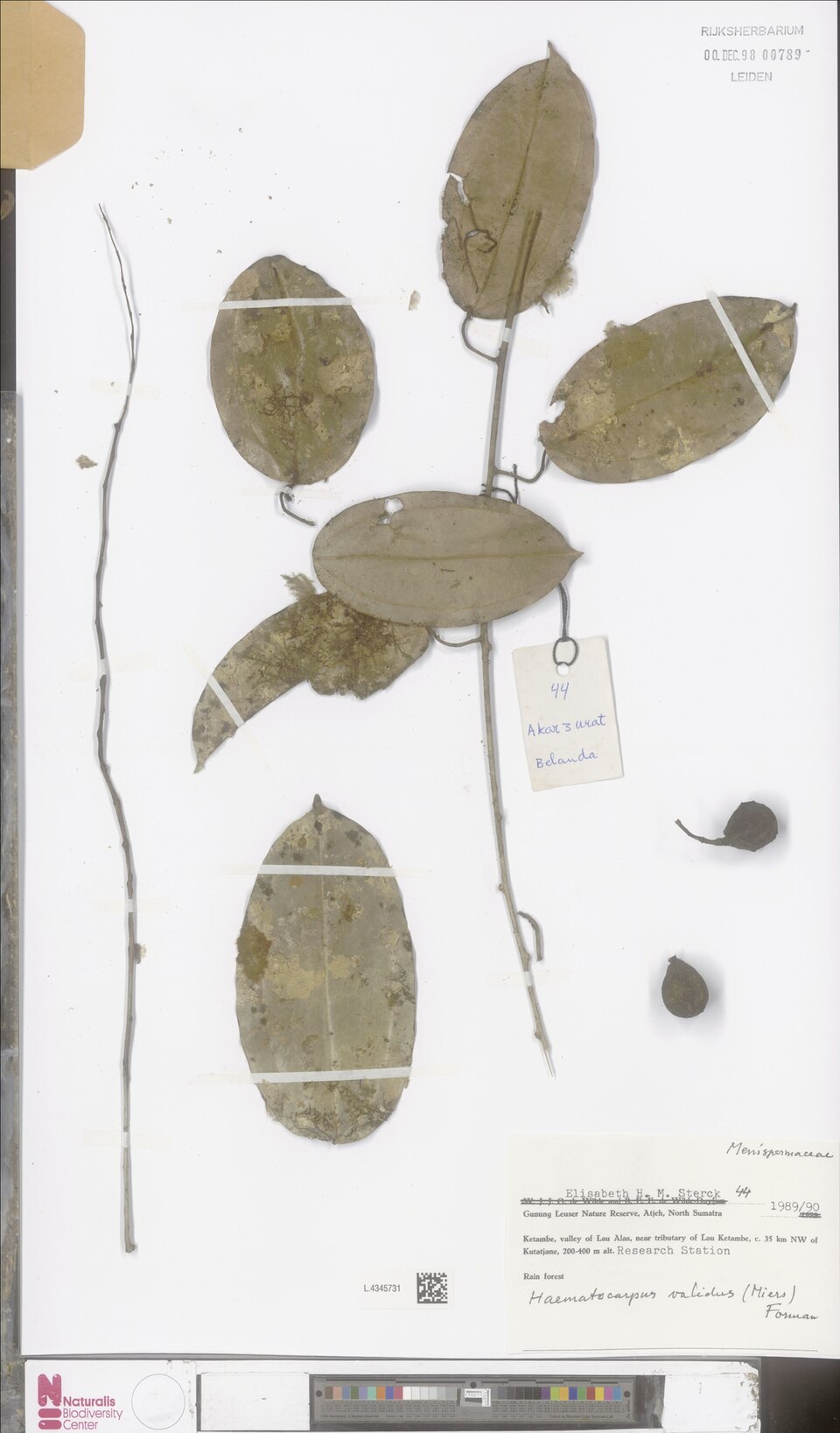
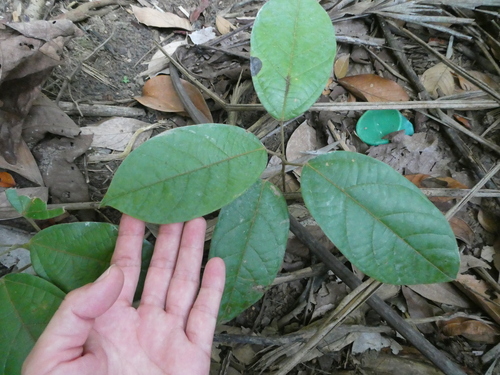
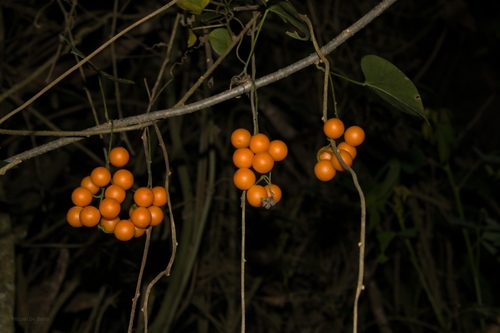
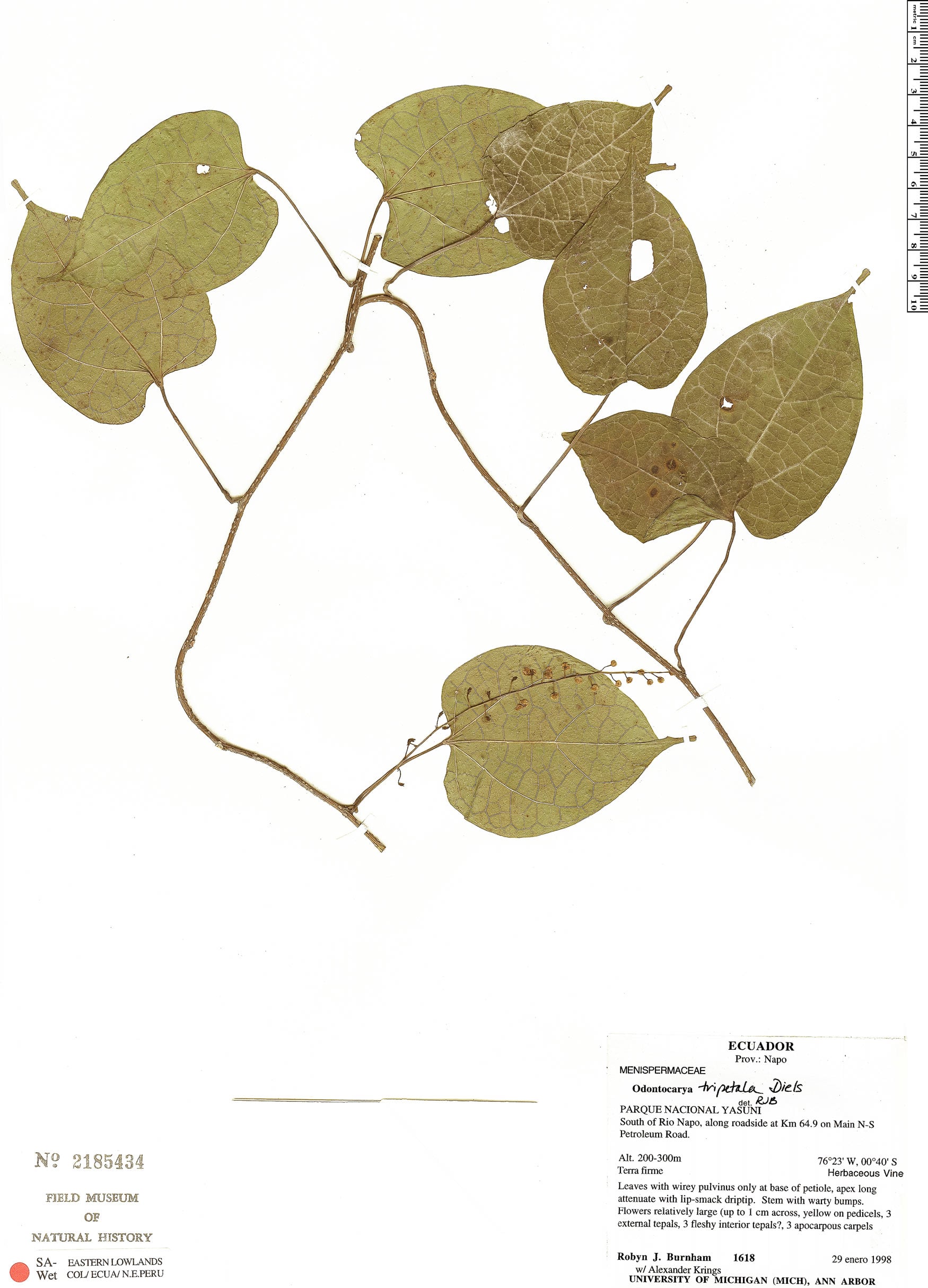
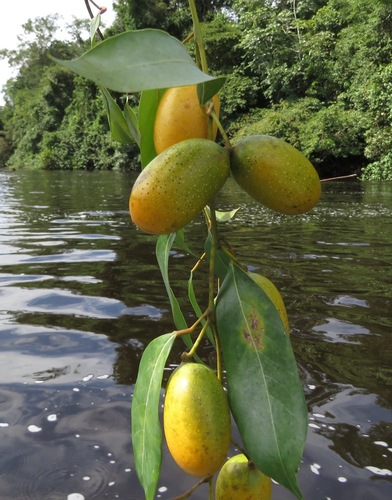
A creeper or vine. The young branches are hairy. The root is a tuber. The leaves are 15-35 cm long by 16-40 cm wide. They are broadly rounded and heart shaped at the base. They are often lobed. The female flowering shoots are 8-10 cm long. The male ones are 40 cm long. The fruit are 2-2.5 cm long by 1.5-2 cm wide.
Medicinal Uses
The root is used medicinally.
Distribution
It is a tropical plant. It grows up to 1,500 m above sea level.
Where It Grows
Africa, Asia, Brazil, East Africa, Ghana, India, Kenya, Madagascar, Malawi, Mauritius, Mozambique, Niger, Reunion, Sahel, Tanzania, West Africa, Zimbabwe,
Synonyms
References (1)
- World Checklist of Useful Plant Species 2020. Royal Botanic Gardens, Kew