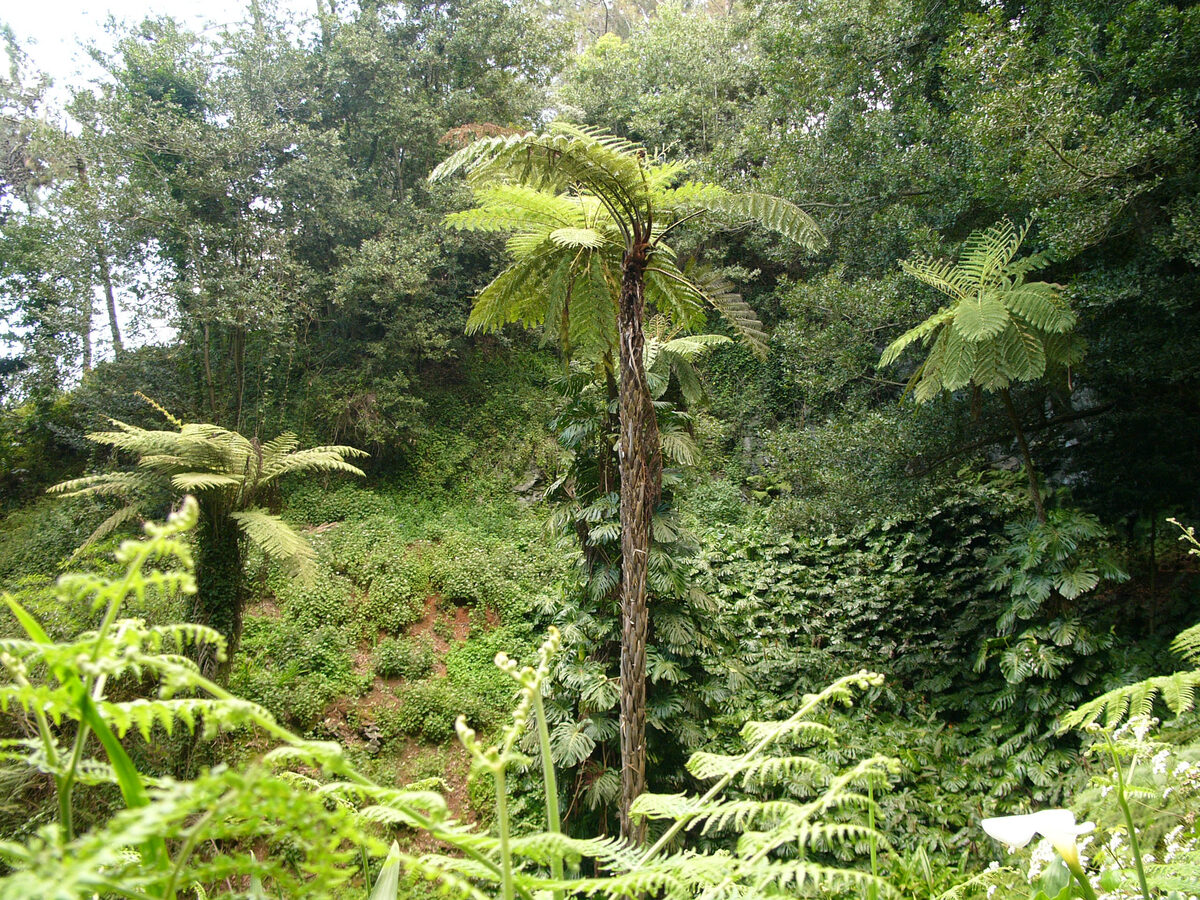
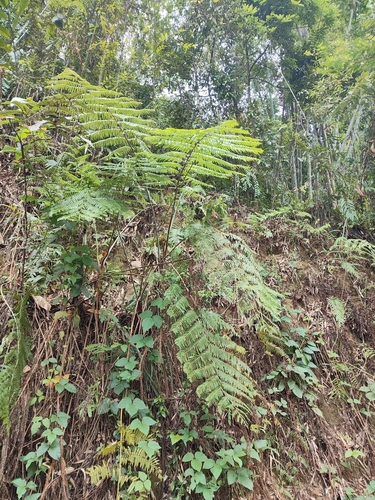
Cyathea medullaris
(G. Forster) Swartz
Black tree fern
iNaturalist· cc-by-nc-sa
(c) Natalie Tapson, some rights reserved (CC BY-NC-SA)
iNaturalist· cc-by
(c) Katja Schulz, some rights reserved (CC BY), uploaded by Katja Schulz
iNaturalist· cc-by
(c) Jacqui Geux, some rights reserved (CC BY), uploaded by Jacqui Geux
Summary
Source: WikipediaAn evergreen tree fern growing slowly to 9 m tall and 6 m wide. Hardy to UK zone 9 and frost tender. Maintains foliage year-round. Grows in light, medium, or heavy soils with mildly acid to basic pH. Thrives in semi-shade and prefers moist or wet soil.
Description
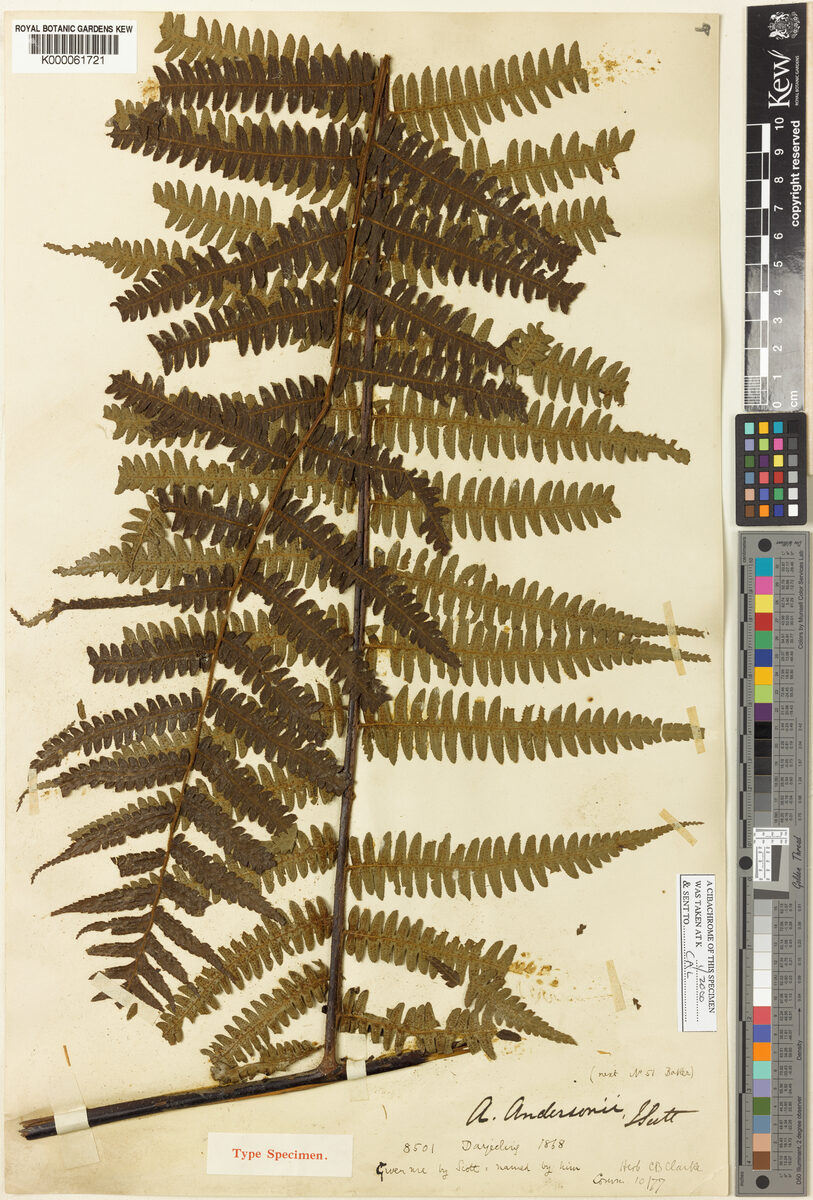
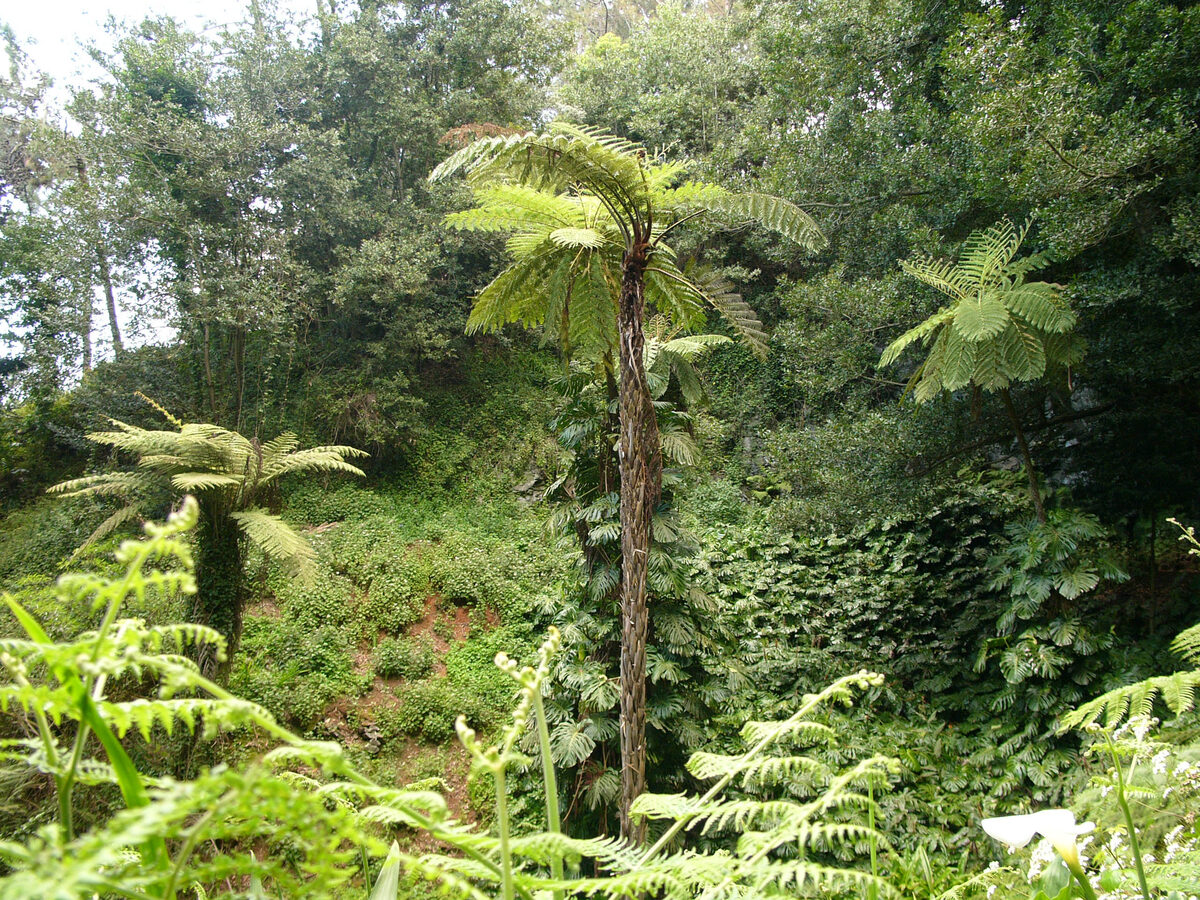
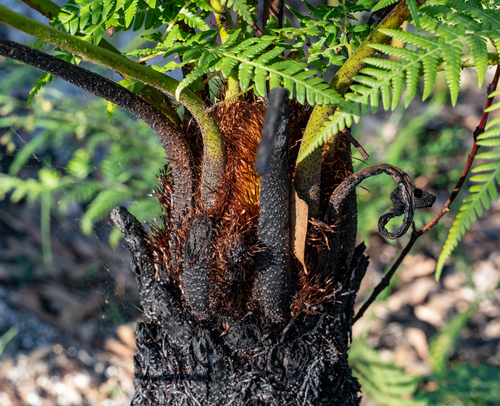
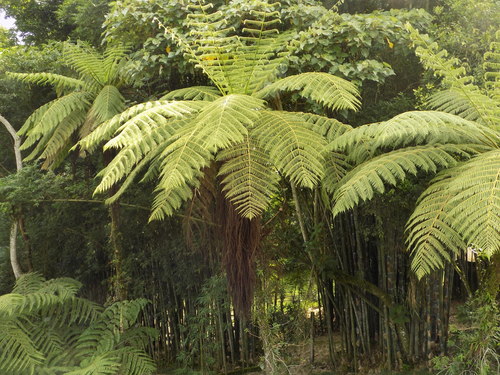
A tree fern. It grows to 15-20 m high. The trunks are slim and black. They are 15-20 cm across. There is a distinct leaf scar pattern. The frond bases and scales are jet black. The fronds are 6 m long and divided 3 times. The spore bodies occur in pairs of 2-6.
Edible Uses
The pith from below the growing point of the stem is edible raw or cooked and is rich in starch — use this portion, not the trunk, which is made up of a peaty substance from decaying roots. On a dry-weight basis the pith contains 3.6% protein, 7.4% starch, 3.1% lipids, and 3% simple reducing sugars, and it serves as a coarse sago substitute. The stem is often intentionally damaged some time before harvest to improve the pith's flavor; a slimy red bitter gum exudes from the wound. Harvesting the stem kills the plant and so cannot normally be condoned. The base of the frond stems can also be cooked. Young croziers, harvested just before they unfurl, are juicy and slimy when cooked, with a flavor somewhat like bitter celery.
Traditional Uses
The pith in the centre of the stem is eaten after baking. It is cooked and dried in the sun.
This uses section is brief — help expand it
Medicinal Uses
None known
Distribution
They grow in tropical and subtropical rainforest. It grows in damp lowland forest in New Zealand. It is sensitive to frost but very hardy once established. It does best in sheltered positions. It is mostly below 100 m altitude. It does best in a rich, well-drained humus. It suits hardiness zones 9-11. Geelong Botanical Gardens.
Where It Grows
Australia, Fiji, French Polynesia, Marquesas, New Zealand, Pacific, Polynesia, Samoa, Tahiti,
Cultivation
Plants can be grown by spores. They are easy to transplant.
Propagation
Surface-sow spores at any time of year in a light position in a warm greenhouse. Keep moist by standing the pot in shallow water or enclosing it in a plastic bag. Germination takes one to three months at 25°C. Prick out patches of young plants into small pots and stand in shallow water until well established. Grow on in a shady greenhouse position for at least the first two winters before planting out in late spring.
Other Uses
None known
Production
Plants grow quickly especially in sheltered locations.
Notes
There are about 800 Cyathea species.
Synonyms
Also Known As
Balabala sa, Korau, Mamaku
References (13)
- Bodkin, F., 1991, Encyclopedia Botanica. Cornstalk publishing, p 310
- Crowe, A., 1997, A Field Guide to the Native Edible Plants of New Zealand. Penguin. p 116
- Cundall, P., (ed.), 2004, Gardening Australia: flora: the gardener's bible. ABC Books. p 448
- Etherington, K., & Imwold, D., (Eds), 2001, Botanica's Trees & Shrubs. The illustrated A-Z of over 8500 trees and shrubs. Random House, Australia. p 248
- Etoh, T. & Sundaresan, 1985, Food Plants in Fiji and Their Utilization. Kagoshima Univ. Res. Center S. Pac, Occasional Papers, No. 5. p. 145-164. (As Cyathea affinis)
Show all 13 references Hide references
- Goudey, C.J., 1988, A Handbook of Ferns for Australia and New Zealand. Lothian. p 84
- Hedrick, U.P., 1919, (Ed.), Sturtevant's edible plants of the world. p 256
- Hibbert, M., 2002, The Aussie Plant Finder 2002, Florilegium. p 78
- J. Bot. (Schrader) 1800(2):94. 1801
- Large, M.F., & Braggins, J.E., 2004, Tree Ferns. CSIRO Publishing, Melbourne, Australia. p 222 Figure 4 Plates 66-73
- Plants for a Future database, The Field, Penpol, Lostwithiel, Cornwall, PL22 0NG, UK. http://www.scs.leeds.ac.uk/pfaf/
- Salmon, J.T., 1989, The Native Trees of New Zealand. Heinmann Reid p 358
- Skinner, G. & Brown, C., 1981, Simply Living. A gatherer's guide to New Zealand's fields, forests and shores. Reed. p 33