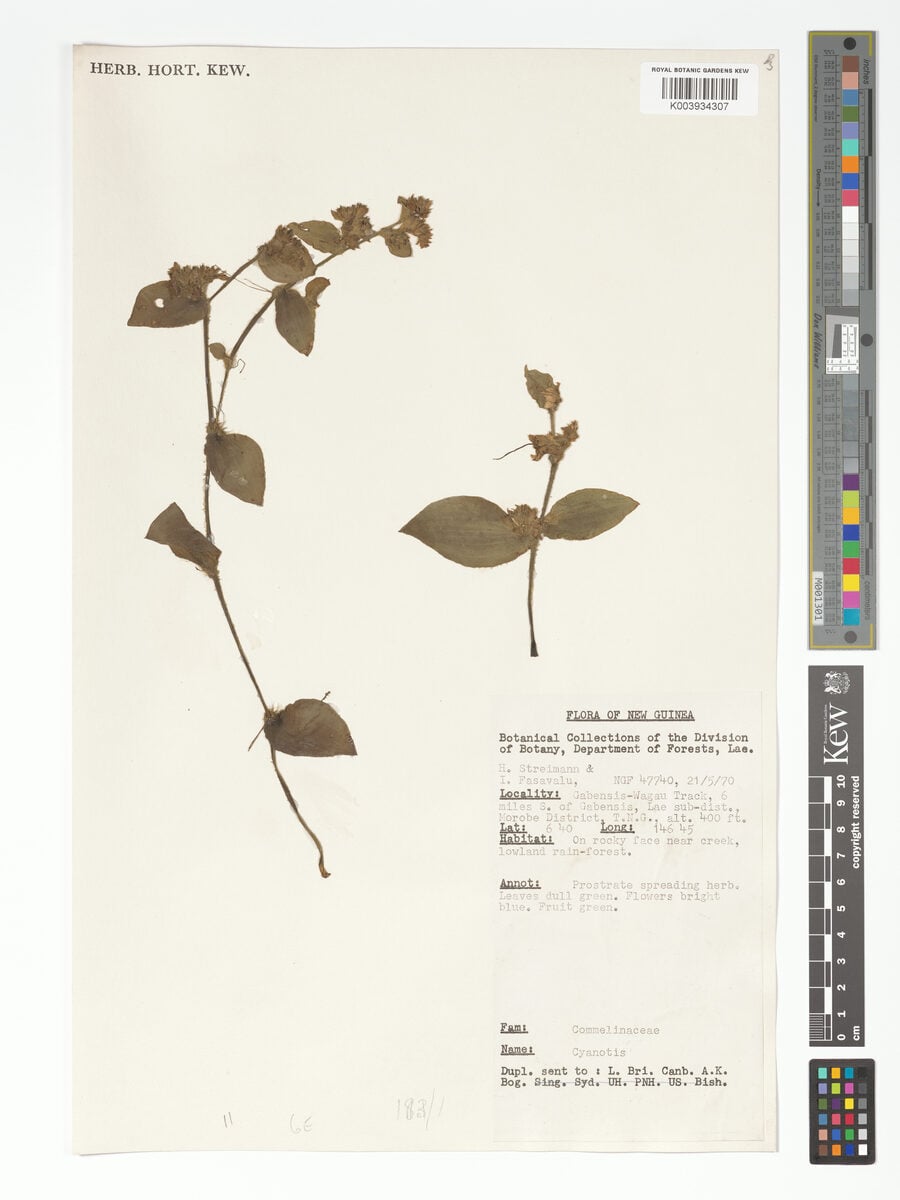
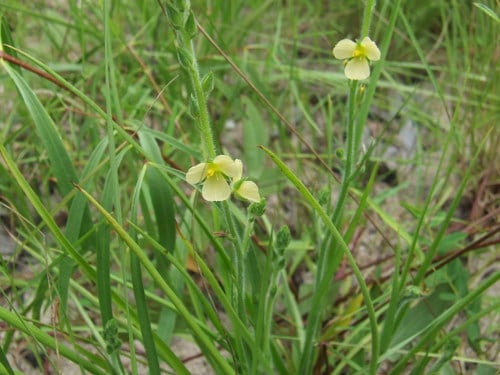
Cyanotis barbata
D. Don.
iNaturalist· cc-by-nc-nd
(c) jerrythornton, some rights reserved (CC BY-NC-ND)
iNaturalist· cc-by-nc
(c) Marc Henrion, some rights reserved (CC BY-NC)
Description
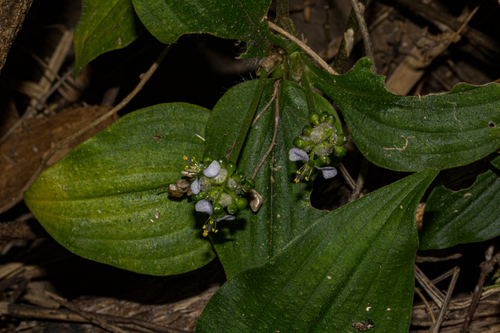
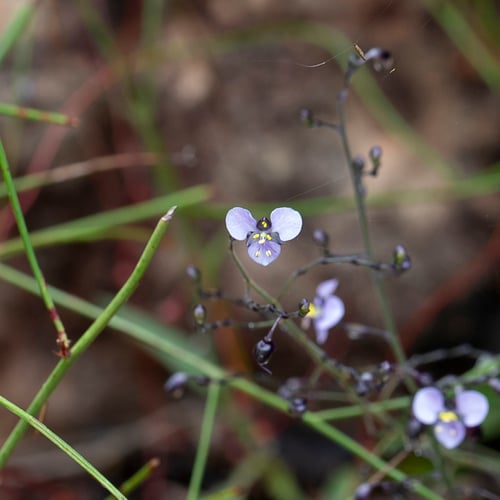
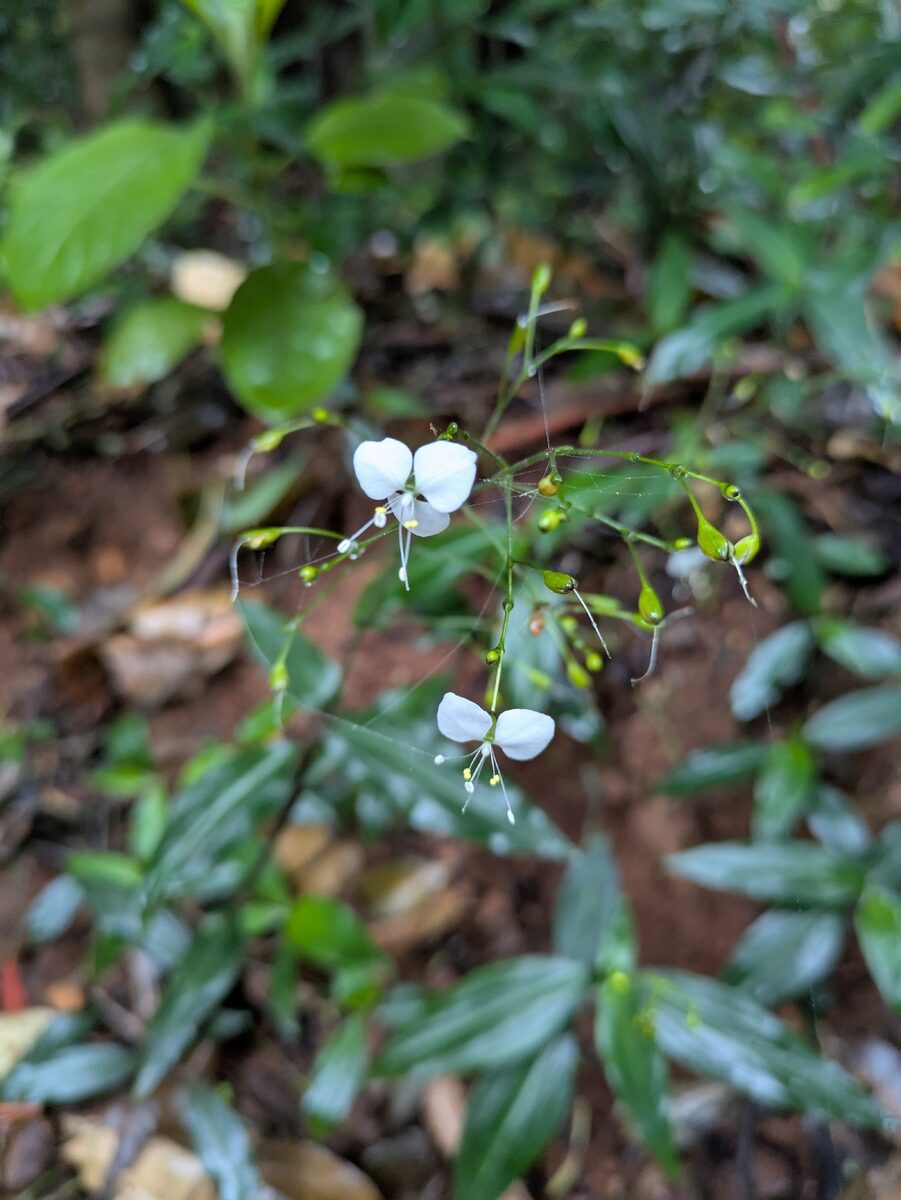
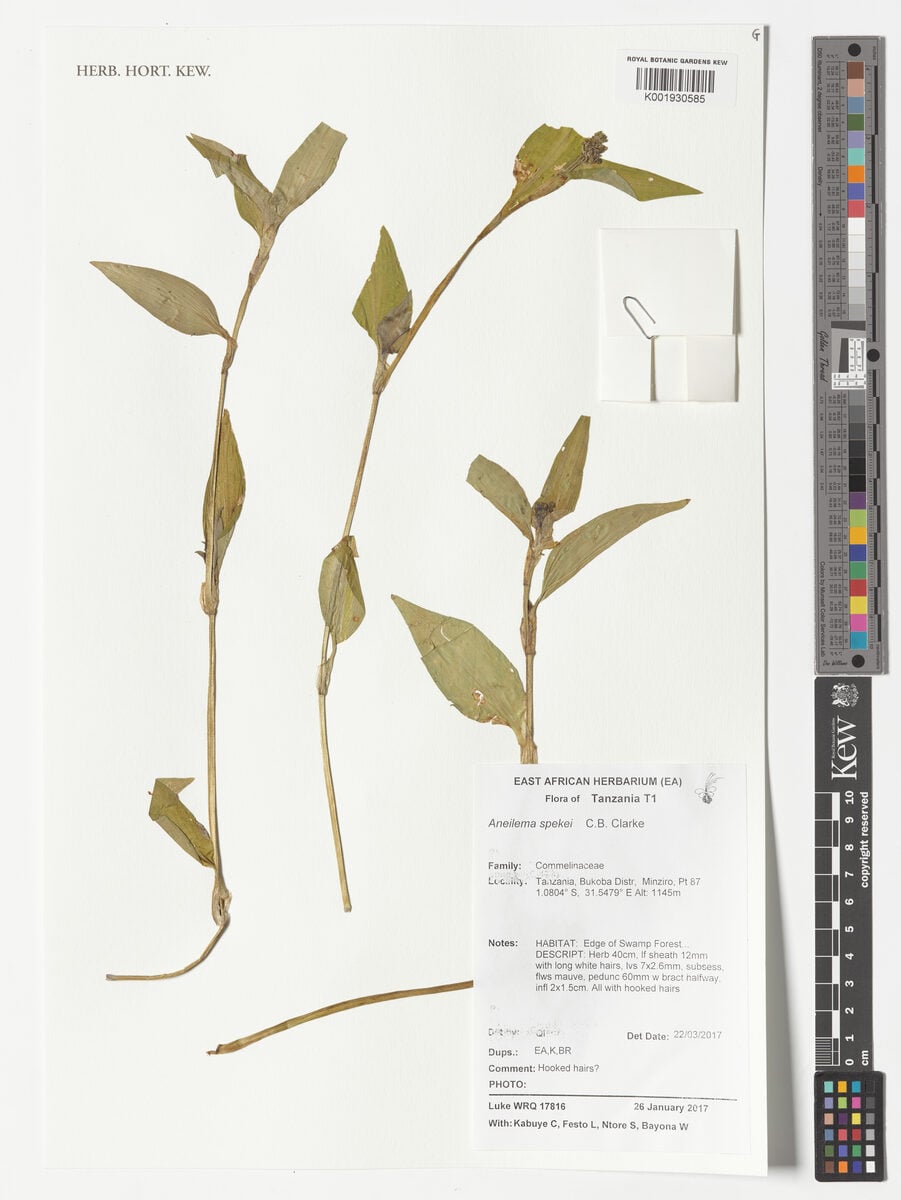
A herb. It forms tufts. The shoots lie along the ground and are 15-30 cm long. The leaves are narrowly sword shaped. They are 3-8 cm long by 3-7 mm wide. The flowers are dark blue. The fruit are square capsules. They have 6 seeds. The seeds are 1 mm long and wrinkled and brown.
Edible Uses
The underground corms are eaten raw by children.
Traditional Uses
The underground corms are eaten raw by children.
This uses section is brief — help expand it
Distribution
A tropical plant.
Where It Grows
Africa, China, East Africa, Ethiopia, Himalayas, Malaysia, Myanmar, Nepal, Nigeria, Pakistan, SE Asia, West Africa, Zimbabwe,
Other Information
The underground corms are eaten raw by children.
Synonyms
References (6)
- Chapman, J. D. & Chapman, H. M., 2001, The Forest Flora of Taraba and Andamawa States, Nigeria. WWF & University of Canterbury. p 208
- Flora of Pakistan. www.eFloras.org
- Jardin, C., 1970, List of Foods Used In Africa, FAO Nutrition Information Document Series No 2.p 73
- Molla, A., Ethiopian Plant Names. http://www.ethiopic.com/aplants.htm
- Prodr. Fl. Nep. 46. 1825
Show all 6 references Hide references
- Regassa, T., et al, 2014, Ethnobotany of Wild and Semi-Wild Edible Plants of Chelia District, West-Central Ethiopia. Science, Technology and Arts Research Journal. 3(4): 122-134