Dombeya elliptica
Bojer
gbif· cc-by-nc-sa
MBG
gbif· cc0
Conveyor Belt
gbif· cc0
Conveyor Belt
Description
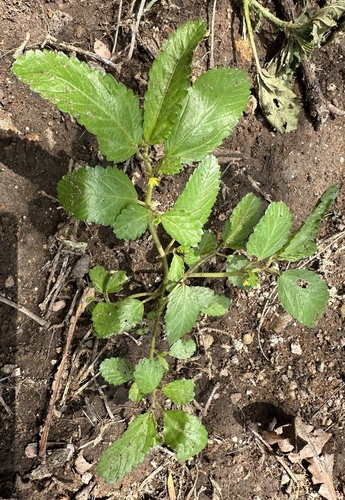
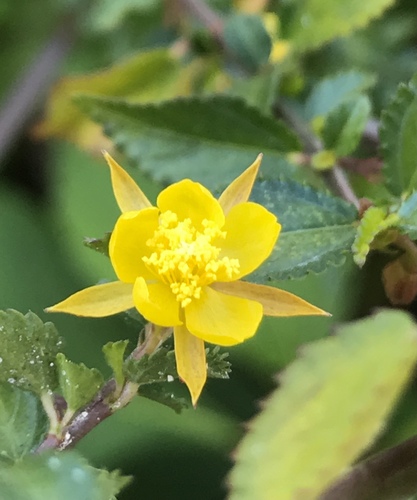
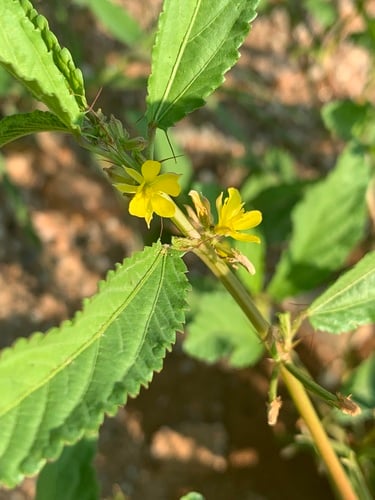
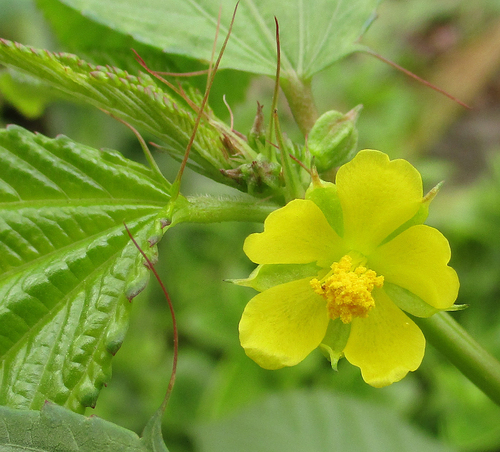
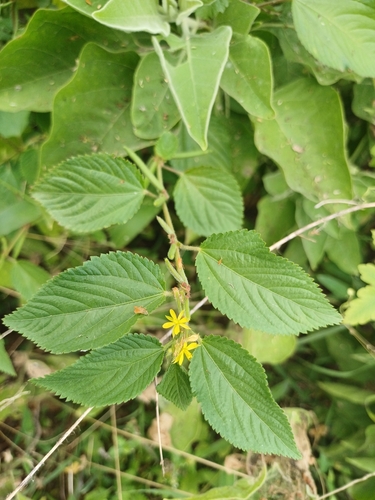
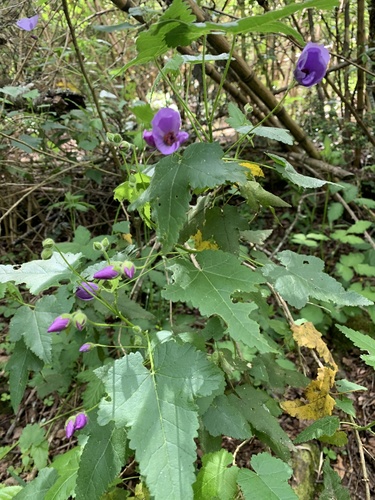
A tree. It can grow 25 m tall. It is covered with hairs. The trunk is 25 cm across. The leaves are alternate and simple. They are 11 cm long by 7 cm wide. The base is rounded and there are teeth along the edge. The flowers are in a group with many flowers in the axils of the leaves. The fruit is a capsule.
Edible Uses
The fruit is edible.
Distribution
It is a tropical plant. It grows from sea level to 1,600 m above sea level.
Where It Grows
Africa, Madagascar, Mauritius,
Cultivation
In cultivation, species in this genus generally grow best in a moist but well-drained, fertile soil and a position in full sun or partial shade.
Propagation
Seed is very small but can be extracted from fully ripened, dry flower heads. Its viability declines within 3 months, so fresh seed has to be used for sowing. Seed is to be sown in properly drained seedbeds. Seedlings emerge in about 3 weeks. Cuttings of semi-ripe wood, preferably with some bottom heat to encourage rooting.
Other Uses
Fibre from the bark is used for making rope. Properly prepared, it can be woven in the same way as jute. The bark fibre is recorded to be of good quality. Formerly the bark was beaten with a mallet to obtain barkcloth, later the fibre was extracted by crushing the bark, after which the fibre was combed or scutched, making it suitable for spinning and weaving. The wood is white, soft and brittle.
Synonyms
References (2)
- PROTA
- World Checklist of Useful Plant Species 2020. Royal Botanic Gardens, Kew