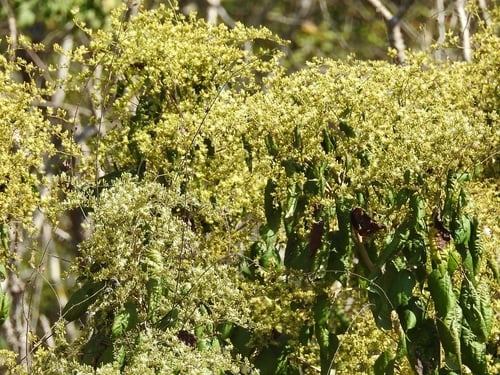
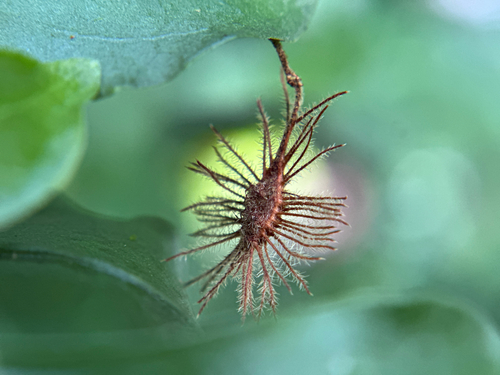
Sterculia hamiltonii
(O. Kuntze) Adelb.
Takampalam
iNaturalist· cc-by
(c) Rejoice Gassah, some rights reserved (CC BY), uploaded by Rejoice Gassah
iNaturalist· cc-by-nc
(c) ezra_rynjah, some rights reserved (CC BY-NC), uploaded by ezra_rynjah
iNaturalist· cc-by-nc
(c) Vijay Anand Ismavel, some rights reserved (CC BY-NC), uploaded by Vijay Anand Ismavel
Description
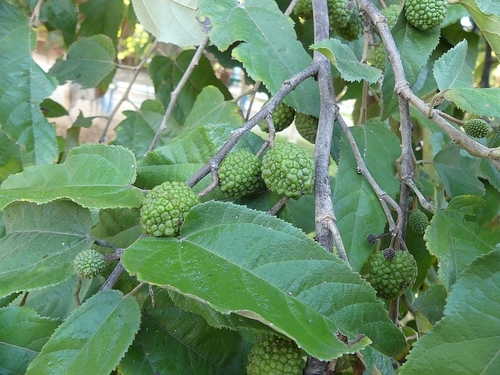
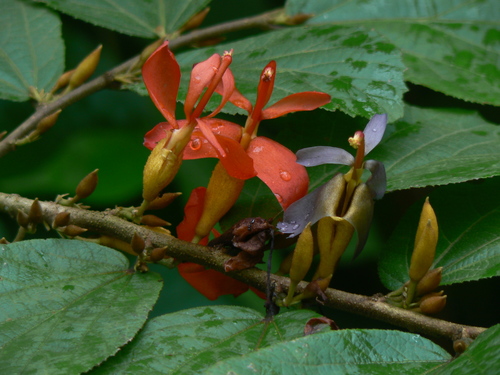
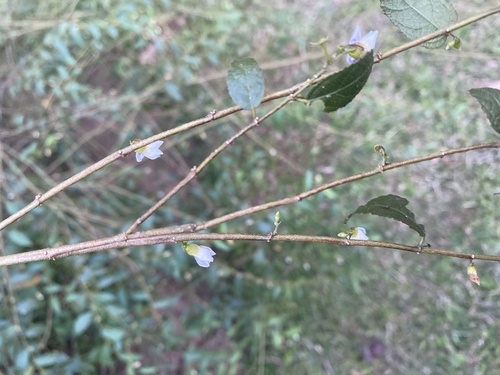
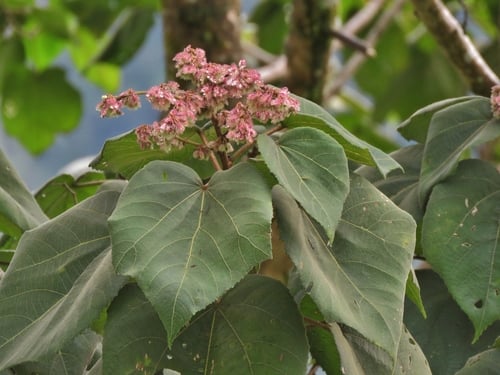
A shrub or small tree. The bark is grey and warty. The leaves are arranged in spirals. They are simple and broadly oval. The flowers are cream to white. The fruit or seed pods are red and oval with 1-4 seeds. The seeds are black-brown and oval.
Edible Uses
The ripe seeds are roasted and eaten as a substitute for peanuts, described as tasty and oily. The tender fruit are boiled and eaten.
Traditional Uses
The ripe seeds are eaten as a substitute for peanuts. They are tasty and oily. They are roasted. The tender fruit are boiled and eaten.
This uses section is brief — help expand it
Distribution
It is a tropical and subtropical plant. In Nepal it grows between 300-1,100 m above sea level.
Where It Grows
Asia, Bhutan, Himalayas, India, Indonesia, Myanmar, Nepal, Northeastern India, SE Asia, Sikkim, Singapore,
Cultivation
Plants are grown from seeds.
Production
In Sikkim fruit are available May to July.
Notes
Also put in the family Sterculiaceae. This is an unresolved name in The Plant List but is possibly a synonym of Sterculia coccinea Jack.
Synonyms
Also Known As
Chiuripat, Chiwaripat, Kathior-kung, Nakchepeta, Ngama-inchhawl, Tayam
References (7)
- Backer, Bekn. fl. Java family 107:23, in clave. 1944
- Dobriyal, M. J. R. & Dobriyal, R., 2014, Non Wood Forest Produce an Option for Ethnic Food and Nutritional Security in India. Int. J. of Usuf. Mngt. 15(1):17-37
- Kar, A., et al, 2013, Wild Edible Plant Resources used by the Mizos of Mizoram, India. Kathmandu University Journal of Science, Engineering and Technology. Vol. 9, No. 1, July, 2013, 106-126
- Srivastava, R. C., 2010, Traditional knowledge of Nyishi (Daffla) tribe of Arunachal Pradesh. Indian Journal of Traditional Knowledge. 9(1):26-37
- Sundriyal, M., et al, 2004, Dietary Use of Wild Plant Resources in the Sikkim Himalaya, India. Economic Botany 58(4) pp 626-638
Show all 7 references Hide references
- Taram, M., et al, 2018, Wild Food Plant Resources of Komkar Adi Tribe of Upper Siang District in Arunachal Pradesh, India. Bulletin of Arunachal Forest Research, Vol. 33(2), 27-35
- Thothathri, K., & Pal, G.D., 1987, Further Contribution to the Ethnobotany of Subansiri District, Aranchal Pradesh. J. Econ. Tax. Bot. Vol. 10 No. 1 pp 149-157