Vachellia drepanolobium
(Harms ex Y. Sjostedt) P.J.H. Hurter
Whistling thorn
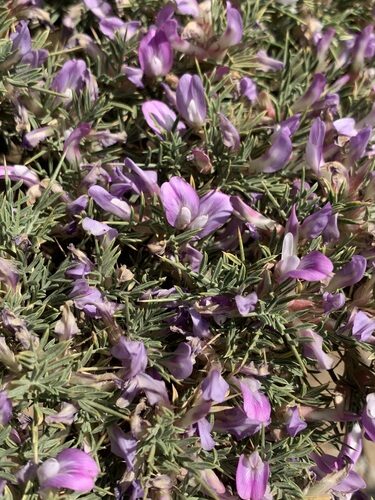
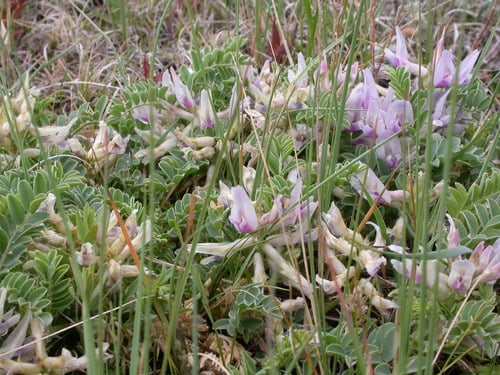
iNaturalist· cc-by-nc
(c) Guenther Eichhorn, some rights reserved (CC BY-NC), uploaded by Guenther Eichhorn
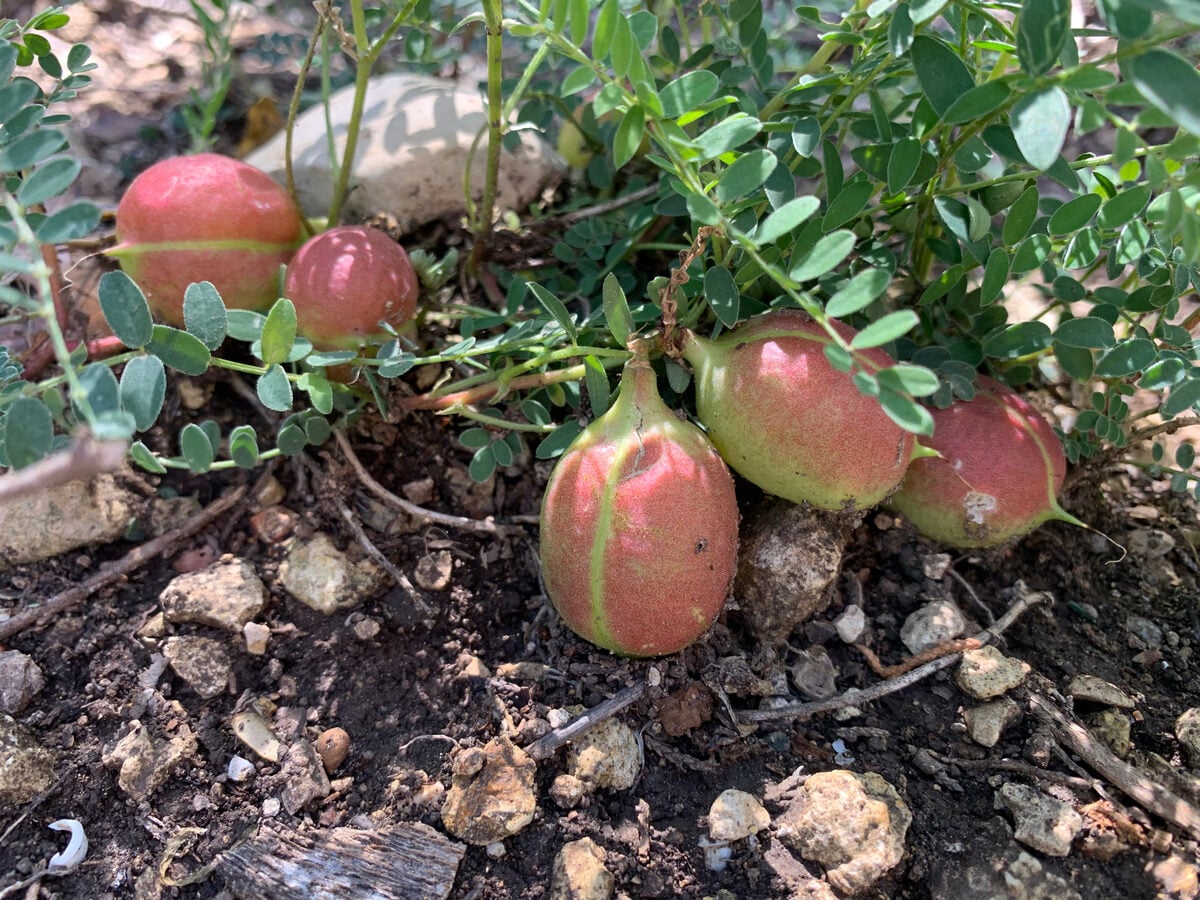
iNaturalist· cc-by-nc
(c) Lisa H. Robinson, some rights reserved (CC BY-NC), uploaded by Lisa H. Robinson
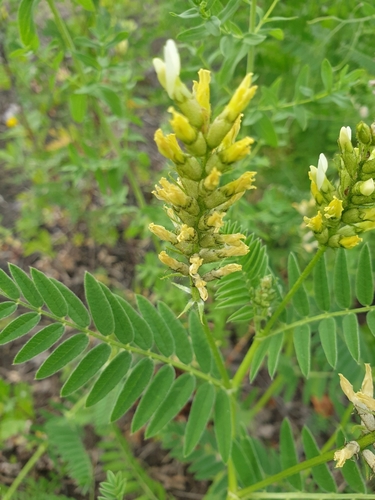
iNaturalist· cc-by-nc
(c) Irina Bobyleva, some rights reserved (CC BY-NC), uploaded by Irina Bobyleva
Summary
Source: WikipediaVachellia drepanolobium, more commonly known as Acacia drepanolobium or whistling thorn, is a swollen-thorn acacia native to East Africa. The whistling thorn grows up to 6 meters tall. It produces a pair of straight spines at each node, some of which have large bulbous bases. These swollen spines are naturally hollow and occupied by any one of several symbiotic ant species. The common name of the plant is derived from the observation that when wind blows over bulbous spines in which ants have made entry and exit holes, they produce a whistling noise. Whistling thorn is the dominant tree in some areas of upland East Africa, sometimes forming a nearly monoculture woodland, especially on "black cotton" soils of impeded drainage with high clay content. It is browsed upon by giraffes and other large herbivores. It is apparently fire-adapted, coppicing readily after "top kill" by fire. Whistling thorn is used as fencing, tool handles, and other implements. The wood of the whistling thorn, although usually small in diameter, is hard and resistant to termites. The branches can also be used for kindling, and its gum is sometimes collected and used as glue. The ability to coppice after cutting make it a possibly sustainable source for fuel wood and charcoal. Conversely, whistling thorn also has been considered a weed of rangelands, and a woody plant encroachment species.
Description
A shrub or small tree. It grows 1-5 m tall. It produces a pair of straight spines at each node.
This description is brief — help expand it
Edible Uses
Young galls. Soft and fleshy, with a sweet, often slightly bitter flavour. The galls need to be eaten young, before they are bored into by the ants that live on the tree. Older galls are hard, fibrous and unpalatable. Young pods - eaten as a vegetable. Inner bark. Rather fibrous, but it has a sweetish bitter taste and can be chewed.
Traditional Uses
Young pods are eaten as a vegetable. The inner bark is chewed for its sweet/bitter taste.
This uses section is brief — help expand it
Medicinal Uses
The bark and roots have medicinal uses. The bark of all Acacia species contains greater or lesser quantities of tannins and are astringent. Astringents are often used medicinally - taken internally, for example. they are used in the treatment of diarrhoea and dysentery, and can also be helpful in cases of internal bleeding. Applied externally, often as a wash, they are used to treat wounds and other skin problems, haemorrhoids, perspiring feet, some eye problems, as a mouth wash etc. Many Acacia trees also yield greater or lesser quantities of a gum from the trunk and stems. This is sometimes taken internally in the treatment of diarrhoea and haemorrhoids.
Known Hazards
Especially in times of drought, many Acacia species can concentrate high levels of the toxin Hydrogen cyanide in their foliage, making them dangerous for herbivores to eat.
Distribution
It is a tropical plant. It grows between 20 and 2,680 m above sea level.
Where It Grows
Africa, East Africa, Ethiopia, Kenya, Somalia, Sudan, Tanzania, Uganda,
Cultivation
Vachellia drepanolobium grows in tropical regions of eastern Africa in areas where the mean annual rainfal is within the range 500 - 1,300mm. Vachellia drepanolobium is probably the most common Acacia in eastern Africa and, in areas such as Ethiopia it is considered by some to be an invasive species that reduces the quality of pasture on the range. Other research, however, has suggested that it can actually lead to an increase in productivity and palatability of the range by encouraging more productive grass species to grow under its canopy. This species is cultivated in parts of east Africa for the production of gum arabic. This species has a symbiotic relationship with certain soil bacteria, these bacteria form nodules on the roots and fix atmospheric nitrogen. Some of this nitrogen is utilized by the growing plant but some can also be used by other plants growing nearby.
Propagation
The seed of most, if not all, members of this genus has a hard seedcoat and may benefit from scarification before sowing to speed up germination. This can usually be done by pouring a small amount of nearly boiling water on the seeds (being careful not to cook them!) and then soaking them for 12 - 24 hours in warm water. By this time they should have imbibed moisture and swollen - if they have not, then carefully make a nick in the seedcoat (being careful not to damage the embryo) and soak for a further 12 hours before sowing. Acacia seeds that have matured fully on the bush and have been properly dried have a hard seed coat and can be stored in closed containers without deterioration for 5 - 10 years or more in dry conditions at ambient temperatures. It is best to remove the aril, which attracts weevils and can lead to moulds forming. The arils are easilyremoved by placing the seeds in water and rubbing them between the hands, then drying the seeds and winnowing them.
Other Uses
A gum is obtained from the trunk and branches. Known as East African Gum Arabic, it is used like gum arabic (Vachellia nilotica). The prickly branches are used to make stock-proof fences. The wood is a good fuel. The flowers are a good source of nectar for bees.
Synonyms
References (3)
- Ferns, Useful Tropical Plants
- Mutie, F. M., et al, 2023, Important Medicinal and Food Taxa (Orders and Families) in Kenya, Based on Three Quantitative Approaches. Plants 2023, 12, 1145
- World Checklist of Useful Plant Species 2020. Royal Botanic Gardens, Kew