Astragalus glycyphyllus
L.
Wild liquorice, Milk Wetch
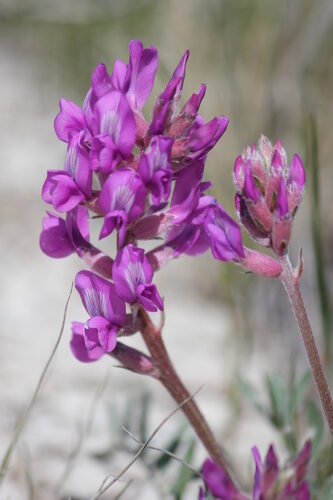
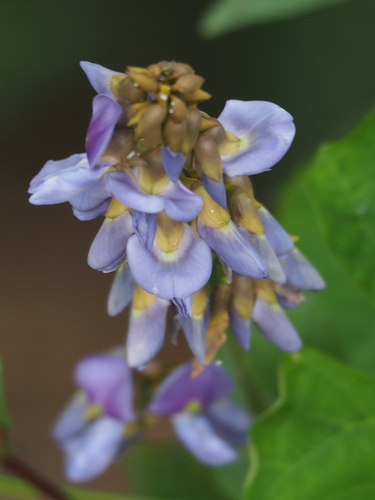
iNaturalist· cc-by-nc
(c) pougeon, some rights reserved (CC BY-NC)
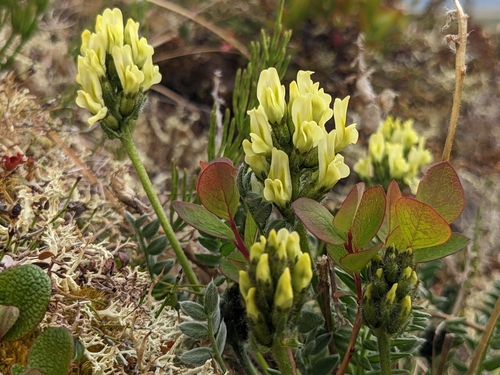
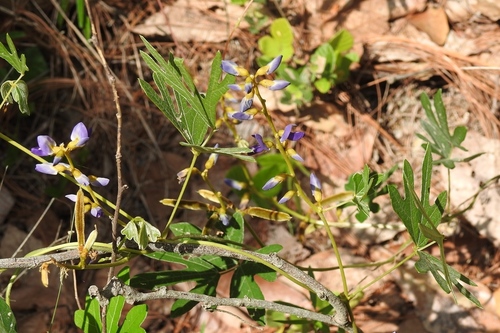
iNaturalist· cc-by-nc
(c) Антон Гладилин, some rights reserved (CC BY-NC)
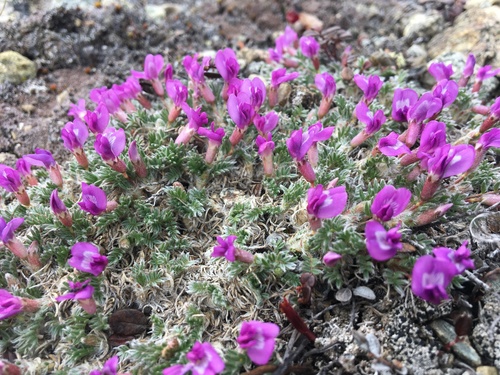
iNaturalist· cc-by-nc
(c) Антон Гладилин, some rights reserved (CC BY-NC)
Description
A small herb. It grows to 30 cm to 1 m tall and wide. The stem lies along the ground and is woolly. The leaves have leaflets along the stalk. The leaves are 20 cm long with 9-13 oval leaflets. The flowers are bell shaped and cream. They are in dense long clusters. The fruit are pointed capsules. These are cylinder shaped and slightly curved.
Edible Uses
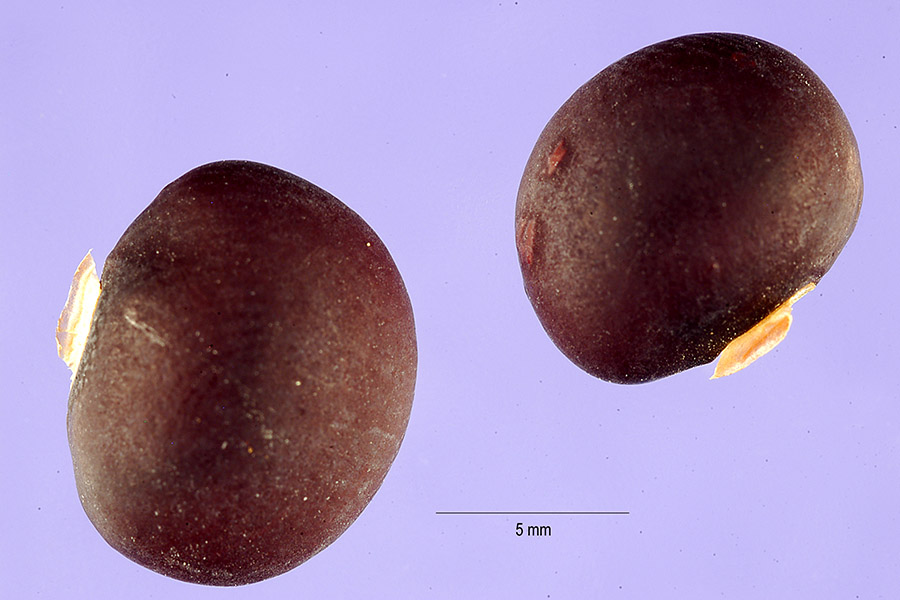
The liquorice-flavoured leaves are eaten fresh or used for tea. The seeds are ground into a coffee substitute. The roots are also edible.
Traditional Uses
The liquorice flavoured leaves are eaten. They are also used for tea. The seeds are ground into a coffee substitute.
This uses section is brief — help expand it
Medicinal Uses
The leaves are used for tea.
Distribution
It is a temperate plant. It grows on chalky soils. It is resistant to drought and frost. It suits hardiness zones 4-8.
Where It Grows
Albania, Australia, Britain, Czech Republic, Europe*, Italy, Kuwait, Luxembourg, Middle East, North America, USA,
Cultivation
Plants can be grown by seed.
Notes
There are 2,000 Astragalus species.
Synonyms
Also Known As
Sgrizia
References (9)
- Bircher, A. G. & Bircher, W. H., 2000, Encyclopedia of Fruit Trees and Edible Flowering Plants in Egypt and the Subtropics. AUC Press. p 46
- Bodkin, F., 1991, Encyclopedia Botanica. Cornstalk publishing, p 113
- Gouldstone, S., 1983, Growing your own Food-bearing Plants in Australia. Macmillan p 194
- Jackes, D. A., Edible Forest Gardens
- Mabey, R., 1973, Food for Free. A Guide to the edible wild plants of Britain, Collins. p 67
Show all 9 references Hide references
- Mattalia, G., et al, 2012, Traditional uses of wild food and medicinal plants among Brigasc, Kye ́, and Provenc ̧al communities on the Western Italian Alps. Genet Resour Crop Evol. Springer
- Middleditch, B. S., 1991, Kuwaiti Plants: Distribution, Traditional Medicine, Phytochemistry, Pharmacology and Economic Value. Studies in Plant Science, 2. Elsevier p 13
- Simkova, K. et al, 2014, Ethnobotanical review of wild edible plants used in the Czech Republic. Journal of Applied Botany and Food Quality 88, 49-67
- Sp. pl. 2:758. 1753