Astragalus hamosus
L.
Purtuk
iNaturalist· cc-by-nc-sa
(c) יאיר אור, some rights reserved (CC BY-NC-SA), uploaded by יאיר אור
iNaturalist· cc-by
(c) Eleftherios Katsillis, some rights reserved (CC BY), uploaded by Eleftherios Katsillis
iNaturalist· cc-by-nc
(c) Сергей, some rights reserved (CC BY-NC), uploaded by Сергей
Summary
Source: WikipediaAstragalus hamosus, the southern milk vetch or European milk vetch, is a plant in the family Fabaceae.
Description
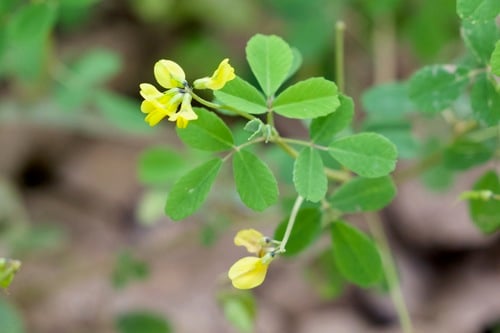
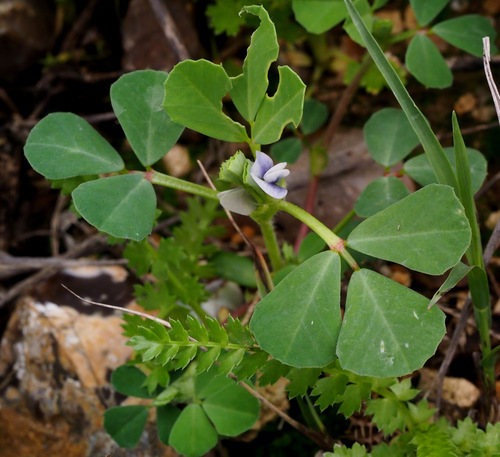
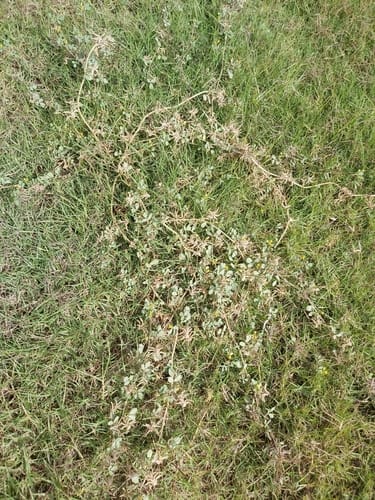
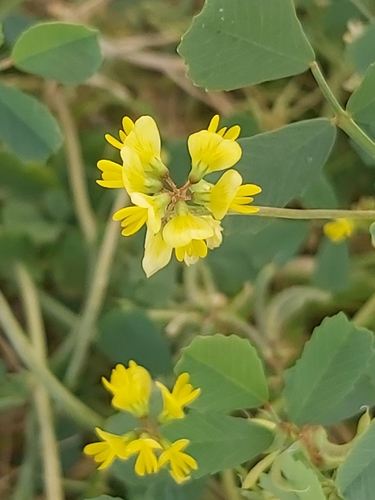
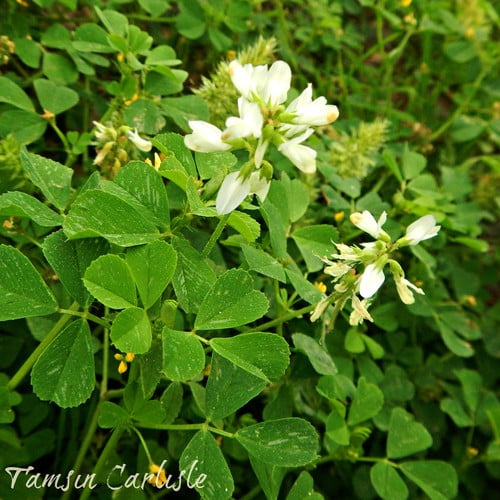
A medium sized annual herb. The leaflets are in 9-11 pairs. The flowers are 7-8 mm long. The hairs are T-shaped. The pods are narrow and sickle shaped. The fruit appear like worms. They are 20-50 mm long.
Edible Uses
Edible Parts: Seedpod Edible Uses: Young seedpods - cooked. They quickly become tough and fibrous. The young seedpods are also used in salads. They have only a mediocre taste, but look very much like certain worms and so are used mainly for their novelty value.
Traditional Uses
The seeds and pods are eaten fresh.
This uses section is brief — help expand it
Medicinal Uses
Demulcent Emollient Galactogogue Laxative The plant is demulcent, emollient, galactogogue and laxative. It is useful in treating irritation of the mucous membranes, nervous affections and catarrh.
Known Hazards
Many members of this genus contain toxic glycosides. All species with edible seedpods can be distinguished by their fleshy round or oval seedpod that looks somewhat like a greengage. A number of species can also accumulate toxic levels of selenium when grown in soils that are relatively rich in that element.
Distribution
It is a temperate plant. It grows along roadsides and in rocky places.
Where It Grows
Albania, Arabia, Armenia, Balkans, Bulgaria, Caucasus, Egypt, Europe, France, Greece, India, Iran, Iraq, Italy, Jordan, Libya, Mediterranean, Middle East, Morocco, North Africa, Pakistan, Portugal, Russia, Spain, Turkey, Türkiye, Ukraine,
Cultivation
Requires a dry well-drained soil in a sunny position. Grows well in Cornwall. Plants are intolerant of root disturbance and are best sown in situ. This species has a symbiotic relationship with certain soil bacteria, these bacteria form nodules on the roots and fix atmospheric nitrogen. Some of this nitrogen is utilized by the growing plant but some can also be used by other plants growing nearby. When removing plant remains at the end of the growing season, it is best to only remove the aerial parts of the plant, leaving the roots in the ground to decay and release their nitrogen. Many members of this genus can be difficult to grow, this may be due partly to a lack of their specific bacterial associations in the soil.
Propagation
Seed - sow late winter in a greenhouse. Pre-soak the seed for 24 hours in warm water. If any seed does not swell up in this time then carefully prick it with a needle making sure that you do not damage the embryo, and re-soak for a further 24 hours. Germination usually takes place within 3 - 6 weeks at 13°c. As soon as it is large enough to handle, prick the seedlings out into individual pots and plant them out in early summer.
Other Uses
None known Special Uses Nitrogen Fixer
Notes
There are 2,000 Astragalus species.
Synonyms
Also Known As
Akhlile-malik, Koçboynuzu
References (8)
- Ambasta S.P. (Ed.), 2000, The Useful Plants of India. CSIR India. p 60
- Blamey, M and Grey-Wilson, C., 2005, Wild flowers of the Mediterranean. A & C Black London. p 86
- Ertug, F, Yenen Bitkiler. Resimli Türkiye Florası -I- Flora of Turkey - Ethnobotany supplement
- Flora of Pakistan. www.eFloras.org
- Hedrick, U.P., 1919, (Ed.), Sturtevant's edible plants of the world. p 83
Show all 8 references Hide references
- Nassif, F., & Tanji, A., 2013, Gathered food plants in Morocco: The long forgotten species in Ethnobotanical Research. Life Science Leaflets 3:17-54
- Plants for a Future database, The Field, Penpol, Lostwithiel, Cornwall, PL22 0NG, UK. http://www.scs.leeds.ac.uk/pfaf/
- Sp. pl. 2:758. 1753