Croton dichogamus
Pax
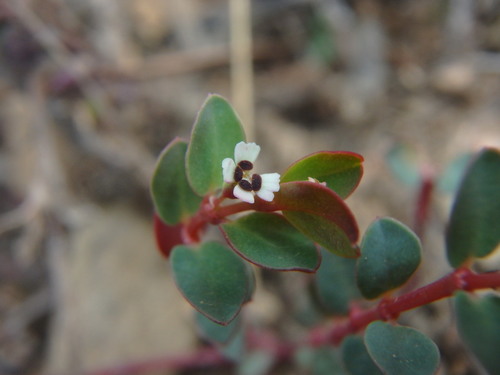
iNaturalist· cc-by-nc
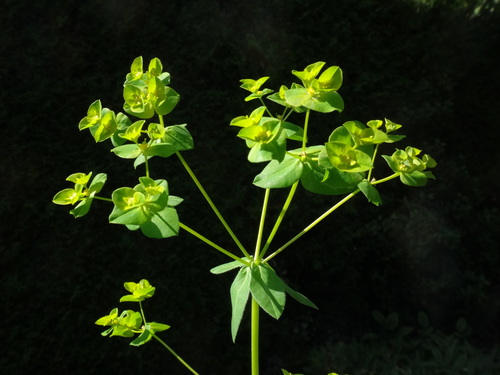
(c) Rujuta Vinod, some rights reserved (CC BY-NC), uploaded by Rujuta Vinod
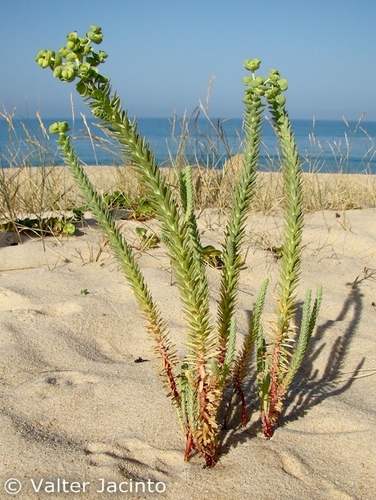
iNaturalist· cc-by-nc
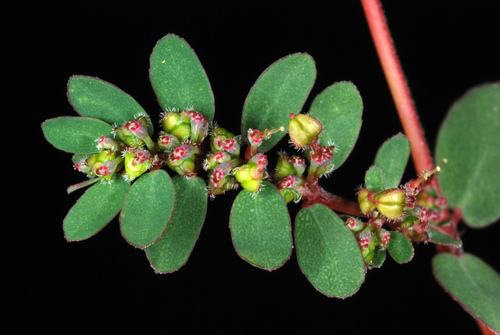
(c) bryanadkins, some rights reserved (CC BY-NC)
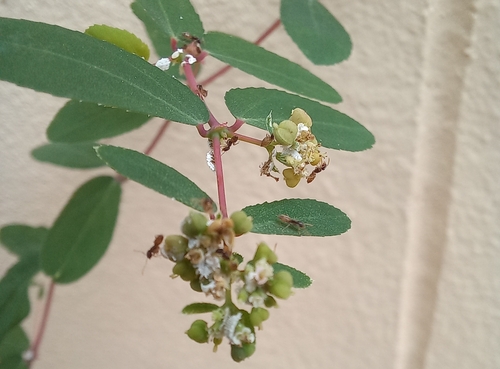
iNaturalist· cc-by
(c) Kian Hayles-Cotton, some rights reserved (CC BY)
Description
A shrub or small tree. It can be straggling and 7.5 m tall. The flowers are at the ends of branches and 2-6 cm long. The fruit have 3 lobes.
This description is brief — help expand it
Edible Uses
The bark is used as a flavouring in soup, and the roots are also used as a flavouring in soup.
Traditional Uses
The bark is used as a flavouring in soup. The roots are used in soup.
This uses section is brief — help expand it
Medicinal Uses
The roots, and sometimes the leaves, are used in traditional medicine as a tonic and to treat colds, fever, tuberculosis and syphilis. The root powder is sometimes combined with that of Croton polytrichus then mixed with porridge or tea as a treatment for impotence and colds.
Distribution
It is a tropical plant.
Where It Grows
Africa, Central Africa, Congo DR, East Africa, Kenya, Rwanda, Uganda,
Cultivation
Most Croton species are relatively indifferent to their habitat and can grow on a wide range of soils in both disturbed and undisturbed vegetation.
Other Uses
The wood is used in building traditional huts. When growing wild, this species is probably a good indicator of overgrazed land.
References (3)
- Mutie, F. G., 2020, Conservation of Wild Food Plants and Their Potential for Combatting Food Insecurity in Kenya as Exemplified by the Drylands of Kitui County. Plants 2020, 9, 1017
- Mutie, F. M., et al, 2023, Important Medicinal and Food Taxa (Orders and Families) in Kenya, Based on Three Quantitative Approaches. Plants 2023, 12, 1145
- World Checklist of Useful Plant Species 2020. Royal Botanic Gardens, Kew