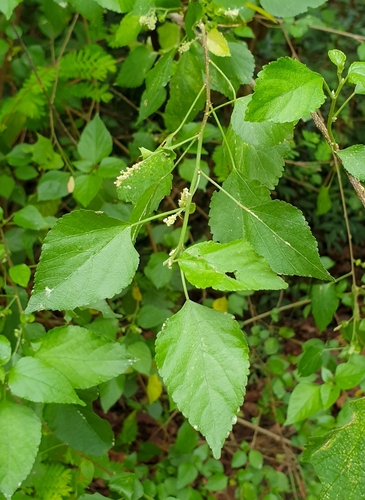
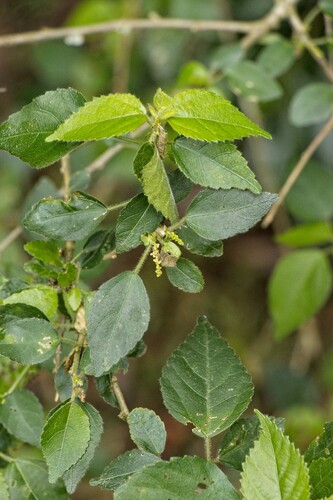
Euphorbia intisy
Drake
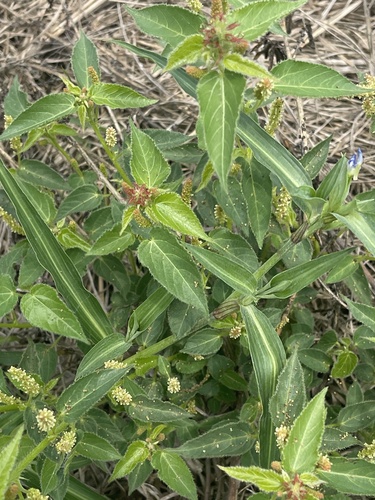
iNaturalist· cc-by-nc
(c) Gary Nunn, some rights reserved (CC BY-NC), uploaded by Gary Nunn
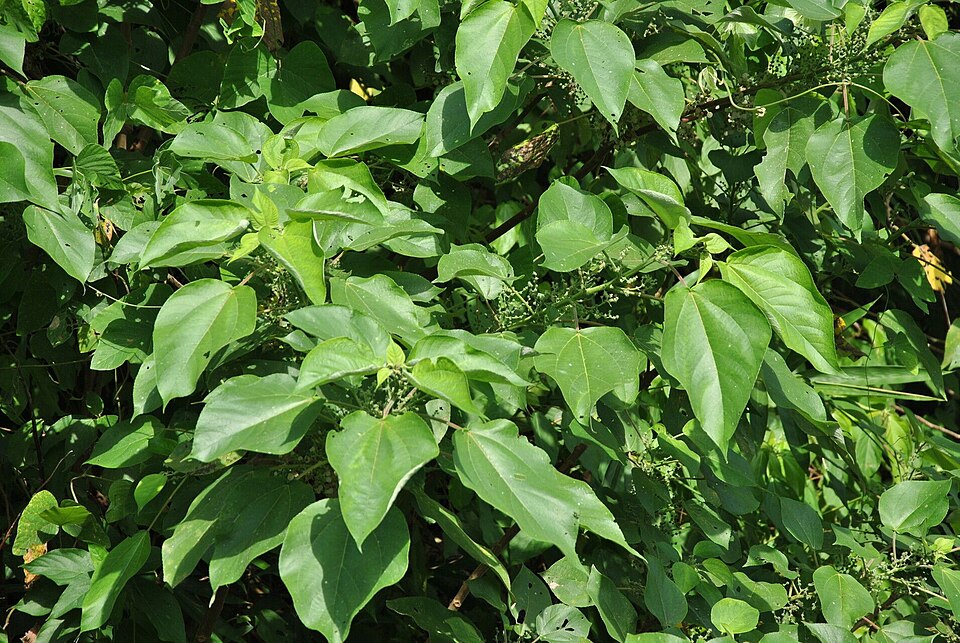
iNaturalist· cc-by-nc
(c) Gary Nunn, some rights reserved (CC BY-NC), uploaded by Gary Nunn
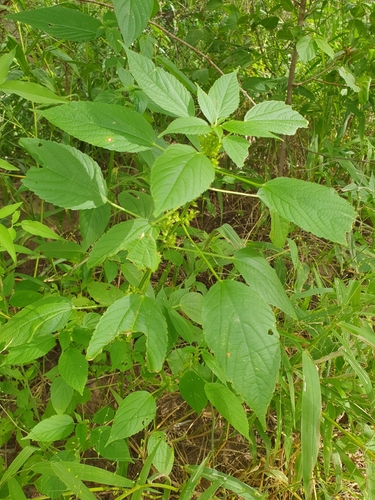
iNaturalist· cc-by-nc
(c) Solofo Eric Rakotoarisoa, some rights reserved (CC BY-NC), uploaded by Solofo Eric Rakotoarisoa
Summary
Source: WikipediaEuphorbia intisy is a species of plant in the family Euphorbiaceae. It is endemic to Madagascar. Its natural habitat is subtropical or tropical dry forests. It is threatened by habitat loss.
Description
Euphorbia intisy is a fast-growing evergreen shrub reaching 5 m tall and 3 m wide. Hardy to UK zone 10. It thrives in light sandy or medium loamy, well-drained soils and tolerates poor soil nutrition. Suitable for mildly acidic, neutral, or mildly alkaline pH. Can grow in semi-shade or full sun but is sensitive to wind. Prefers dry conditions and tolerates drought well.
Edible Uses
None known.
Traditional Uses
Caution: All Euphorbias or spurges have irritating sap and many have chemicals that can cause cancer.
This uses section is brief — help expand it
Medicinal Uses
None known.
Known Hazards
In almost all cases, the latex found in Euphorbia species is toxic on ingestion and highly irritant externally, causing photosensitive skin reactions and severe inflammation, especially when it comes into contact with eyes or open cuts.
Distribution
A tropical plant. It grows in dry places. In Hobart Botanical Gardens.
Where It Grows
Africa, Australia, East Africa, Madagascar, North America, Tanzania, Tasmania, USA,
Cultivation
It is a moderately fast grower quickly become large landscape plant in just 3-5 years. Strong winds cause permanent scarring. Fast growing and long lived once established. It can tolerate moderate shade.
Propagation
Seed.
Other Uses
A high-quality rubber is obtained from the latex. Identified as a candidate for carbon farming.
Notes
There are about 2000 Euphorbia species. Most Euphorbias have sap which irritates the skin.
Synonyms
Also Known As
Famata intisy
References (2)
- Bull. Mus. Hist. Nat. (Paris) 6:257. 1900
- Jardin, C., 1970, List of Foods Used In Africa, FAO Nutrition Information Document Series No 2.p 77