Toona calantas
Merr. & Rolfe
Philippines cedar
iNaturalist· cc-by-sa
(c) Judgefloro, some rights reserved (CC BY-SA)
wikimedia· cc-by-sa
Wikimedia Commons - Raykyogrou0
Summary
Source: WikipediaToona calantas is a species of tree in the mahogany family. It is found in Indonesia, the Philippines, and Thailand. It is threatened by habitat loss. It is commonly known as kalantas (also spelled calantas), lanipga (in Visayan and Bikol), ample (in Batanes), bantinan (in Cagayan and Mountain Province), danupra (in Zambales and Ilocos Norte), Philippine cedar, or Philippine mahogany (although the latter is also applied to members of the unrelated genus Shorea).
Description
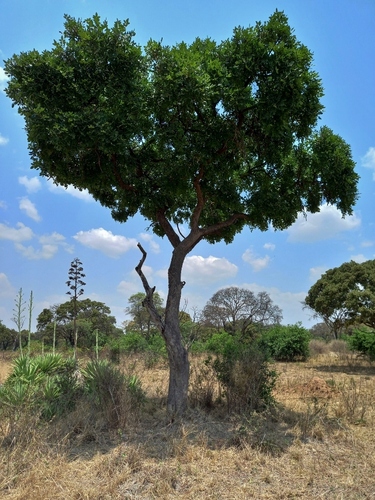
A tall tropical tree growing 25–35 m in height, belonging to the Meliaceae family. It is also known as Philippines cedar.
This description is brief — help expand it
Edible Uses
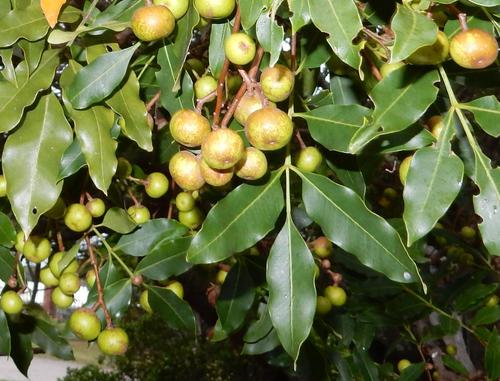
The fruit are edible.
Medicinal Uses
The bark is astringent and antiseptic. A decoction is used as a wash for cleansing wounds. The powdered bark is dusted over gangrenous ulcers. A decoction of the flowers is used as an antispasmodic. The bark and flowers are used in traditional medicine, due to their astringent, antiseptic and antispasmodic properties. The wood contains 0.3 - 1.2 % essential oil; caninene is one of the principal constituents. A study yielded three new norlimonoids, toonaciliatins A, F, and G; four new limonoids and five known compounds.
Distribution
It is a tropical plant.
Where It Grows
Asia, Philippines, SE Asia,
Cultivation
Plants are grown from seed.
Propagation
Seed - germinates quicker and better under shade. It should be broadcast thinly on raised and shaded nursery beds soon after collection. Germination takes 8 - 15 days and fresh seed has a germination rate of 50 - 80%. Natural regeneration is profuse even in areas outside its natural range. Good natural reproduction can be induced by clearing the ground in the vicinity of seed bearers.
Other Uses
The heartwood is reddish brown, it is rather sharply demarcated from the narrow band of pale red sapwood. The grain is generally very straight; the texture fine or moderately coarse, smooth; there is a strong and lasting odour exactly like Spanish cedar. The wood is soft, light in weight, moderately durable, the heartwood is practically never attacked by insects when seasoned, though living trees are sometimes attacked by borers. It seasons well, except that thick planks are liable to internal checking if not carefully seasoned. The wood isof high quality and very easy to work, it is particularly favoured in the manufacture of cigar boxes, pianos, furniture, boat building, panelling, joinery etc., and is also used for decorative applications such as timber veneers. It is a good wood for carving. The only native wood used in Manila for high-grade cigar boxes; also the only wood used by a local factory for piano cases and all internal parts of pianos except the (imported) mechanism; a favorite, on account of its lightness, ease of working and durability, for dugout canoes; also sheathing and ceiling, carving and sculpture; paddles and light oars; automobile mud guards; wardrobes and clothes chests; boats and small launches; ship's cabin finish.
Notes
The name is ambiguous.
Synonyms
Also Known As
Bangtinon, Bantinan, Fangtinon, Kalantas, Lanipga
References (1)
- Carig, Elizabeth T., 2020, Guidebook on Native Trees within the Quirino Forest Landscape. Plaridel, Bulacan, St. Andrew Publishing House. p 64