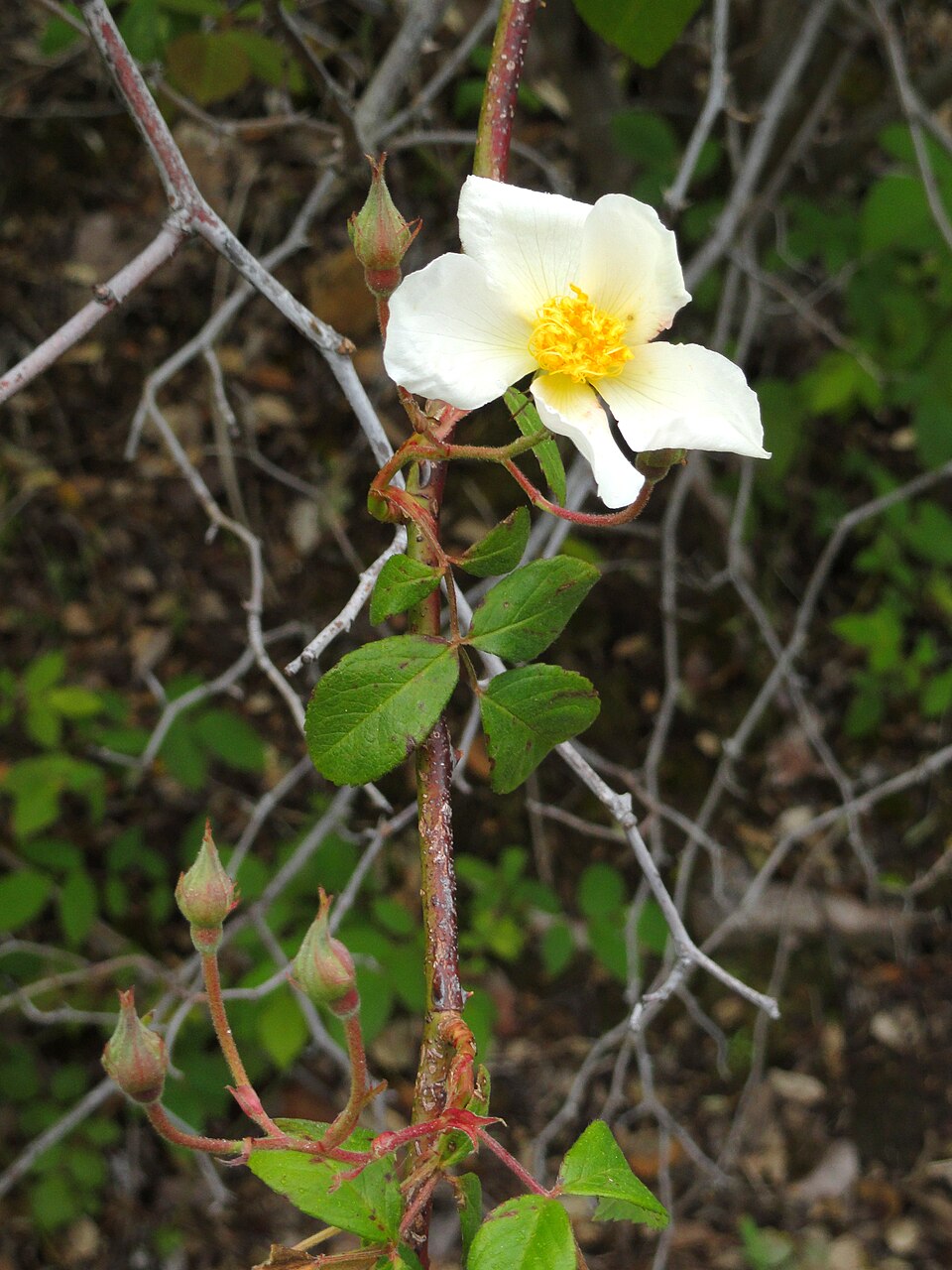
Rubus fagifolius
Cham. & Schltdl.
gbif· cc-by-sa
GBIF
Summary
Source: WikipediaRubus fagifolius is a Mesoamerican species of brambles in the rose family. It grows in southern Mexico (Veracruz, Oaxaca, Chiapas) and Central America (Belize, Guatemala, El Salvador, Costa Rica). Rubus fagifolius is a climbing perennial sometimes reaching 18 meters above the ground. Stems have curved prickles. Leaves are compound with 3 or 5 thick, leathery leaflets. Flowers are white. Fruits are red, the drupelets falling apart separately.
Description
A tropical Rosaceae shrub with runners that can reach 18-20 m long and small fruit approximately 1 cm across.
This description is brief — help expand it
Edible Uses
The fruit is edible.
Distribution
It is a tropical plant.
Where It Grows
Mexico,
Notes
The name is ambiguous.
Dangerous Lookalikes
This plant can be confused with the following toxic species. Always verify identification carefully before consuming any wild plant.
Red Baneberry
Actaea rubra
Walter Siegmund (talk)
Rubus fagifolius
Rubus fagifolius
GBIF
Red Baneberry: Short herbaceous plant (no thorns), berries on thick red stems, each berry has a single seed, compound sharply-toothed leaves.
Rubus fagifolius: Thorny woody canes (brambles), aggregate berry made of many drupelets, berries pull easily from receptacle.
Also Known As
Mora silvestre
References (1)
- Segura, S., et al, 2018, The edible fruit species in Mexico. Genet Resour Crop Evol (2018) 65:1767–1793