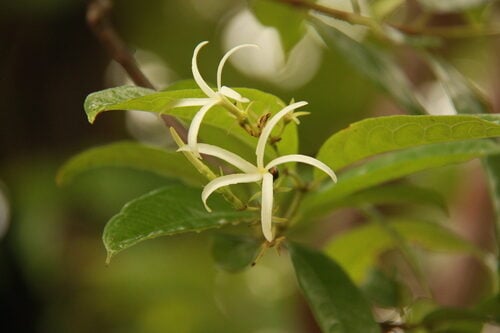
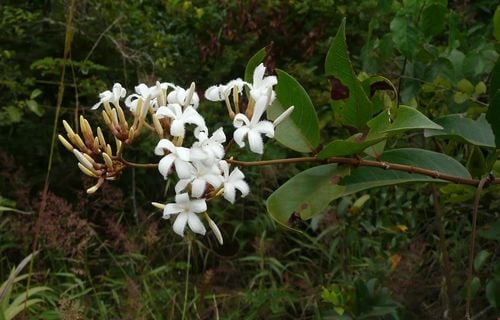
Monolluma quadrangula
(Forssk.) Plowes
iNaturalist· cc-by-nc
(c) jhp68, some rights reserved (CC BY-NC)
iNaturalist· cc-by-nc
(c) Pavel Marhoul, some rights reserved (CC BY-NC)
Summary
Source: WikipediaMonolluma quadrangula is a species of flowering plant in the family Apocynaceae, native to the Arabian Peninsula (Oman, Saudi Arabia and Yemen). It was first described by Peter Forsskål in 1775 as Stapelia quadrangula.
Description
An herb in the Apocynaceae family found in Mediterranean climate regions.
This description is brief — help expand it
Edible Uses
The young stems are eaten fresh; they are slightly bitter.
Traditional Uses
The young stems are eaten fresh. They are slightly bitter.
This uses section is brief — help expand it
Distribution
It is a Mediterranean climate plant.
Where It Grows
Middle East, Oman, Yemen,
Synonyms
Also Known As
Dhaba, Dhagohom, Hwimadhah, Mequrezh, Mulaauzah, Qamat-adhabia, Uruz
References (2)
- Al-Fatimi, M. A., Wild Edible Plants Traditionally Collected and Used in Southern Yemen. Research Square. University of Aden. p 21
- Al-Hawshabl, O. S. S., et al, 2017, Floristic composition, life-forms and biological spectrum of Toor Al-Baha District, Lahej Governorate, Yemen. Current Science 3 (4): 72-91