Acrotome inflata
Benth.
iNaturalist· cc-by-nc
(c) Grant Reed, some rights reserved (CC BY-NC), uploaded by Grant Reed
iNaturalist· cc-by-sa
(c) Tony Rebelo, some rights reserved (CC BY-SA), uploaded by Tony Rebelo
iNaturalist· cc-by-nc
(c) Judy Flatt, some rights reserved (CC BY-NC)
Summary
Source: WikipediaAcrotome inflata (horsefright or tumbleweed) is a species of flowering plant in the family Lamiaceae. This species is native to Africa. Acrotome inflata was first described in 1848 by George Bentham. The name "horsefright" is derived from the Afrikaans "perdeskrikbossie" (horse-fright bush).
Description
An annual herb. It grows 15-70 cm tall. The leaves are oblong to sword shaped and 3-10 cm long by 1-2.5 cm wide. There are many flowers in rings in round clusters.
Edible Uses
The nectar is eaten as a snack.
Traditional Uses
The nectar is eaten as a snack.
This uses section is brief — help expand it
Medicinal Uses
An infusion of the leaves is used to relieve persistent coughing. The dried, spiny flower heads are gently rubbed on the affected area to relieve aching breasts.
Distribution
It is a subtropical plant.
Where It Grows
Africa, Angola, Botswana, Namibia, South Africa, Southern Africa, Zambia, Zimbabwe,
Cultivation
A plant of drier areas in the tropics and subtropics.
Other Uses
The flower heads are burnt to repel mosquitoes.
Synonyms
References (2)
- Ruiters-Welcome, A. K., 2019, Food plants of southern Africa. Ph.D. thesis. Univ. of Johannesburg p 69
- Welcome, A. K. & Van Wyk, B.-E., 2019, An inventory and analysis of the food plants of southern Africa. South African Journal of Botany 122 (2019) 136–179
More from Ericaceae
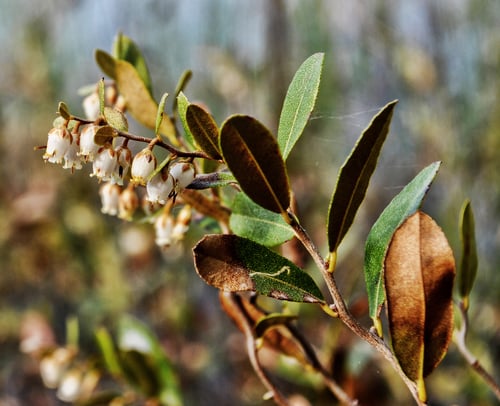
Chamaedaphne calyculata
Leatherleaf, Bog rosemary
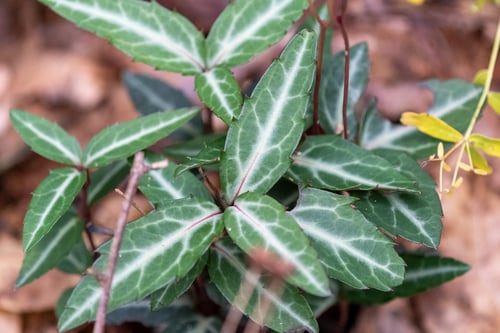
Chimaphila maculata
Spotted wintergreen
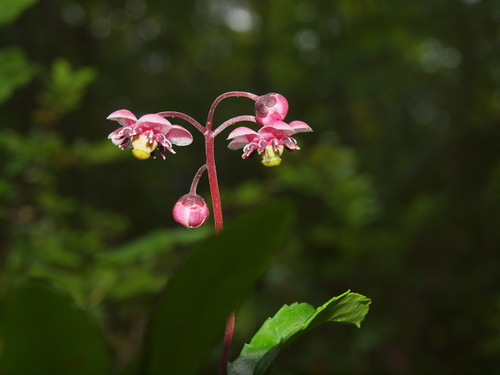
Chimaphila umbellata
Spotted wintergreen, Prince's pine
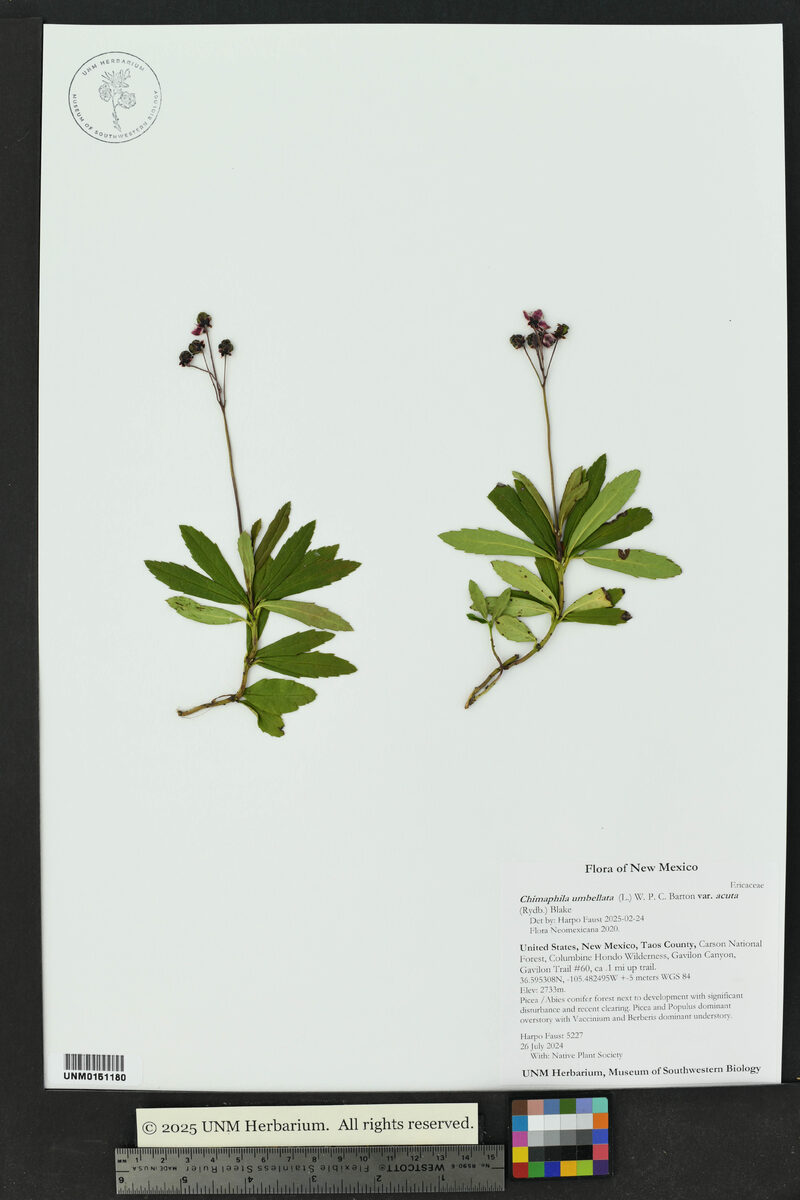
Chimaphila umbellata ssp. acuta
Pipsissewa
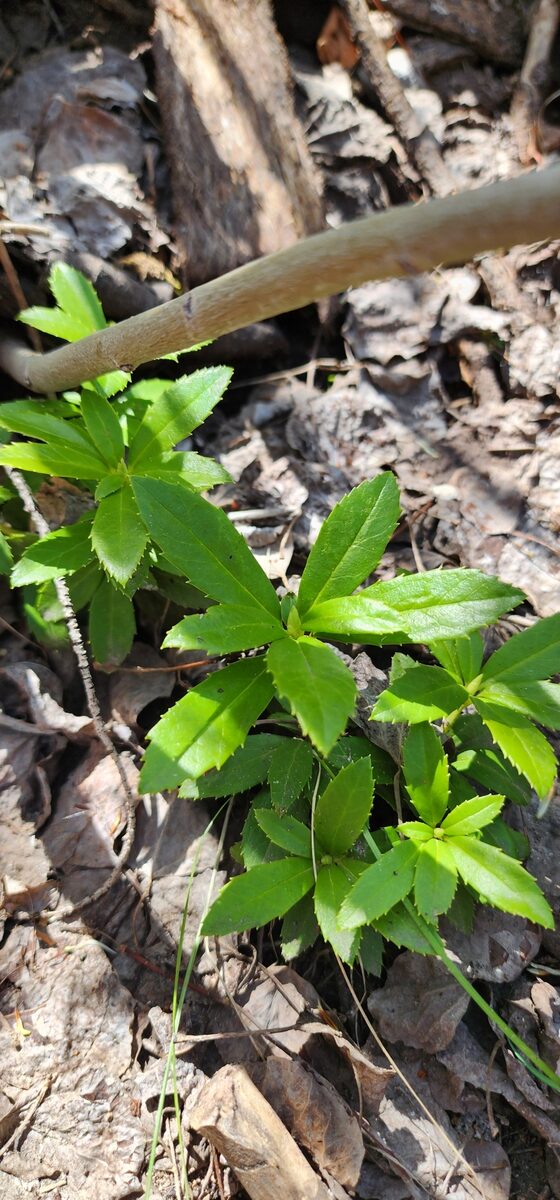
Chimaphila umbellata ssp. occidentalis
Pipsissewa, prince’s pine
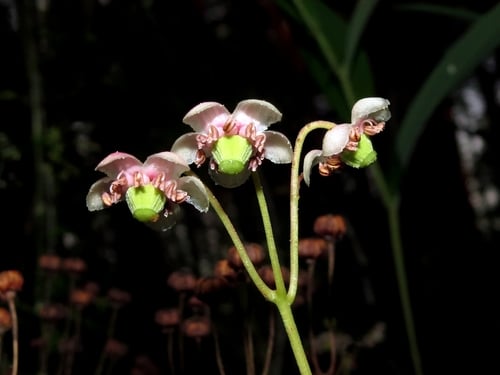
Chimaphila umbellata subsp. cisatlantica
Pipsissewa, Prince's pine