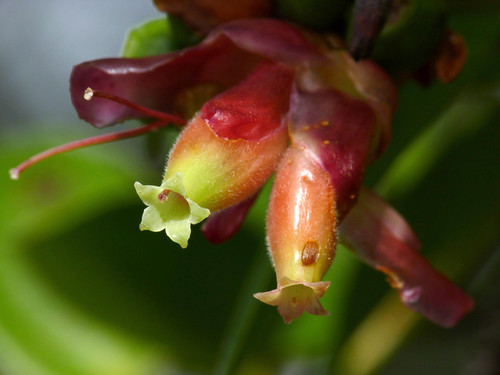
Chimaphila umbellata subsp. cisatlantica
(Blake) Hulten
Pipsissewa, Prince's pine
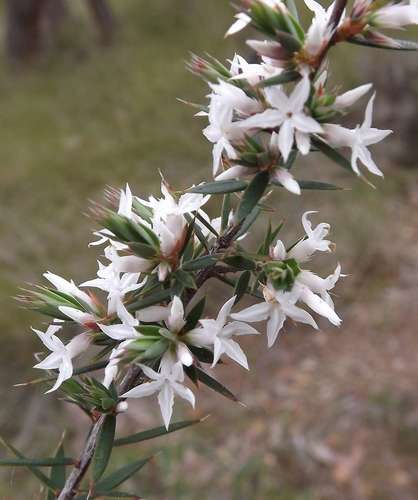
iNaturalist· cc-by-nc
(c) eugenezakharov, some rights reserved (CC BY-NC), uploaded by eugenezakharov
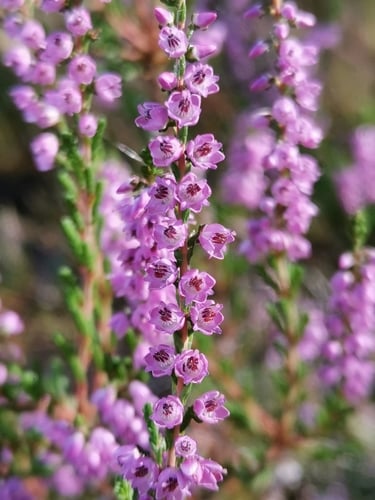
iNaturalist· cc-by-nc
(c) Eric Carignan, some rights reserved (CC BY-NC), uploaded by Eric Carignan
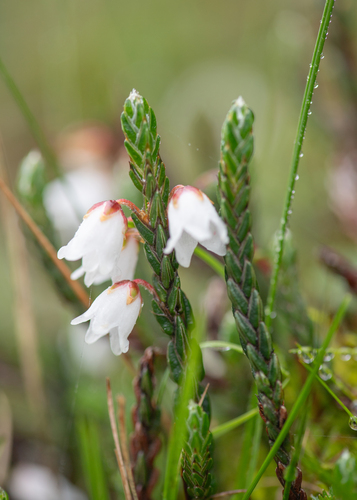
iNaturalist· cc-by-nc
(c) Cole Gaerber, some rights reserved (CC BY-NC), uploaded by Cole Gaerber
Summary
Source: WikipediaChimaphila umbellata, the umbellate wintergreen, pipsissewa, or prince's pine, is a small perennial flowering plant found in dry woodlands, or sandy soils. It is native throughout the cool temperate Northern Hemisphere.
Description
A small shrub. It keeps growing from year to year. It grows 10-35 cm tall. The leaves are opposite. The leaves are shiny and bright green and have teeth along the edge.
Edible Uses
The leaves are eaten.
Medicinal Uses
Some Plateau Indian tribes used a boil of prince's pine to treat tuberculosis. The twentieth century Appalachian folk healer Clarence "Catfish" Gray, "Man of the Woods", credited pipsissewa with curing his own heart problems and included it in his 15 herb cure-all "bitters." It can reportedly be used as a flavoring in candy and soft drinks, particularly root beer. The roots and leaves of Chimaphila umbellata can be boiled to create tea. Recent investigations show the anti-proliferative effect of Chimaphila umbellata in human breast cancer cells (MCF-7).
Distribution
It is a temperate plant. It grows in the shade in forests.
Where It Grows
Canada, North America, USA,
Cultivation
Plants are grown from seed.
Synonyms
Also Known As
Chumbci
References (1)
- Encyclopedia of Life.