Cucumis kalahariensis
A. Meeuse
Kalahari cucumber
iNaturalist· cc0
no rights reserved
iNaturalist· cc0
no rights reserved
Description
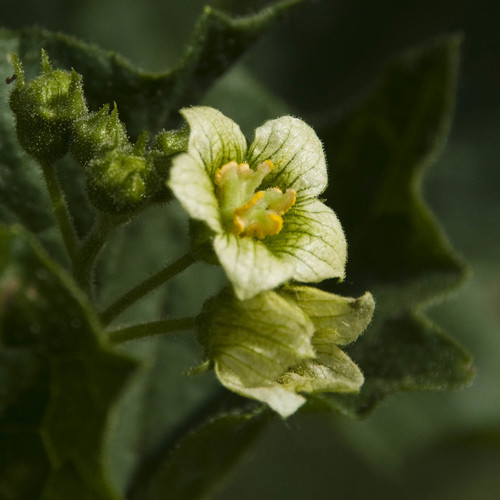
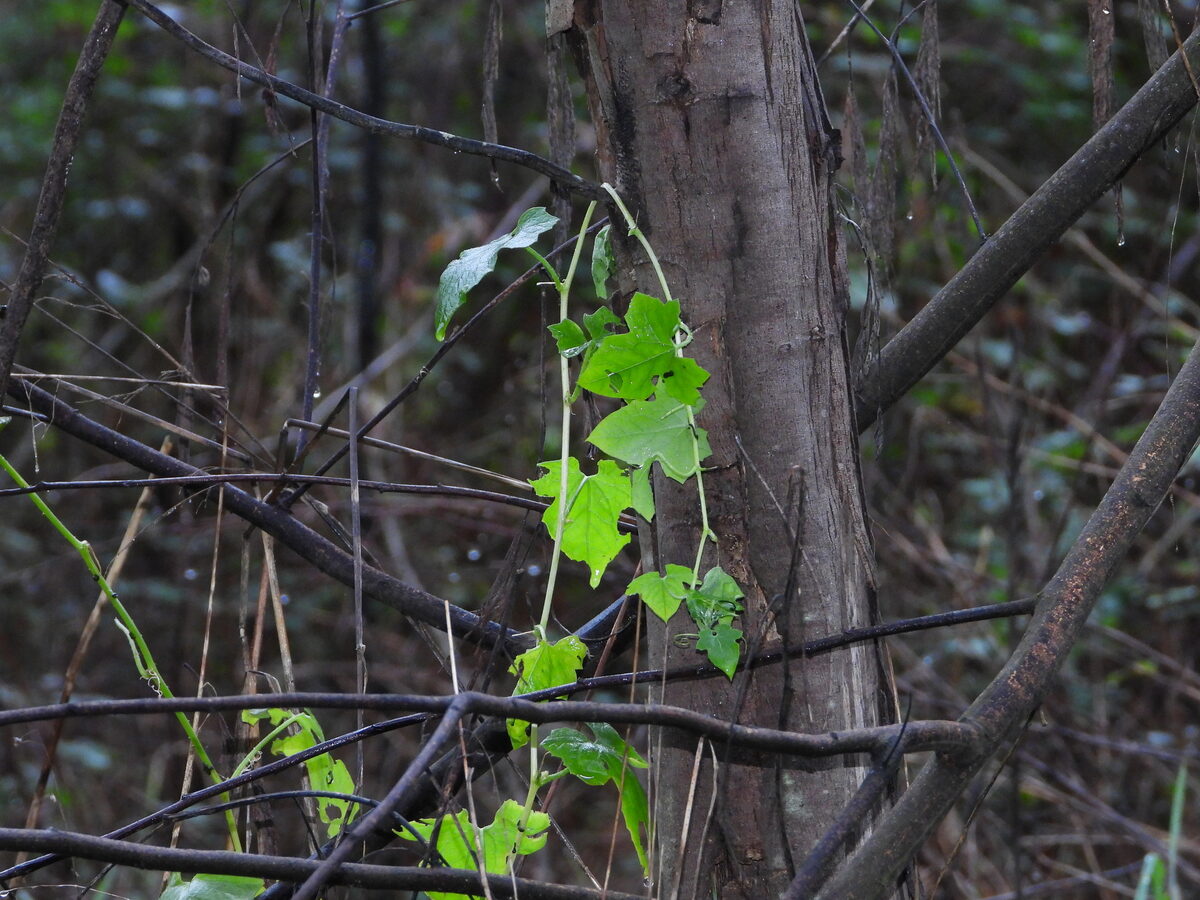
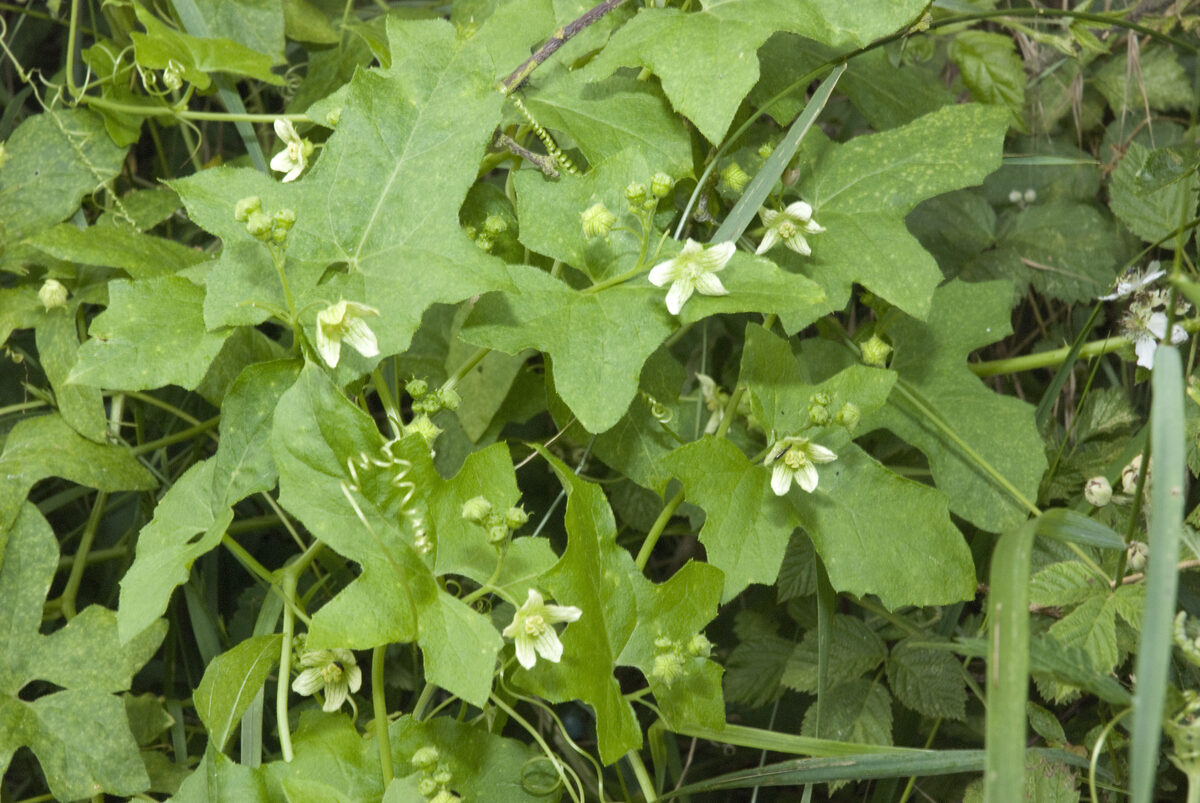
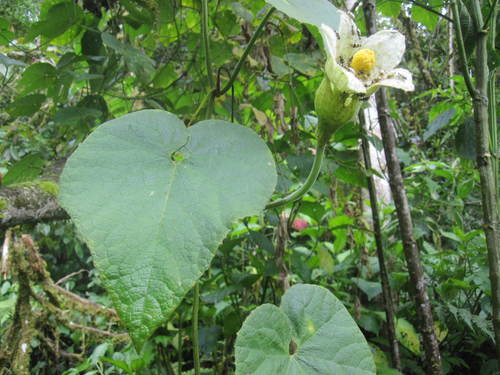
A herb. It is a pumpkin family plant. It is a creeper that keeps growing from year to year. The stems can be 3 m long. It has a fleshy taproot. These are 5-20 cm long by 2-3 cm wide. It has a brown skin and spongy inner flesh. Leaves have lobes and teeth around the edge. The leaves are hairy. Plants are separately male and female. The flowers are small and bright yellow. The fruit are small and prickly. They have stripes along them. They are 3-6 cm long by 2-3 cm wide. The seeds are 6-7 mm long by 304 mm wide and 2 mm thick.
Edible Uses
Root - raw or cooked. It is peeled then eaten raw, or is baked in hot ashes then pounded and mixed with other foods such as the corms of Eulophia spp., or the leaves of Pentarrhinum insipidum. The carrot-shaped root can be 30cm or more long. Bitter forms of the root exist, but are discarded.
Traditional Uses
The roots are baked and eaten. The raw root is used for water. The leaves are cooked and eaten.
This uses section is brief — help expand it
Distribution
A tropical plant. It is used by the San people in Southern Africa. It needs well-drained soil. It grows in sands and clays. It grows below 1,200 m above sea level. It can grow in arid places.
Where It Grows
Africa, Botswana, Namibia, South Africa, Southern Africa,
Cultivation
A dioecious species, both male and female forms need to be grown if fruit and seed are required.
Other Information
It is an important food plant in the central Kalahari.
Notes
There are about 25 Cucumis species.
Nutrition
| Part | Moisture | kJ | kcal | Protein | Vit A | Vit C | Iron | Zinc |
|---|---|---|---|---|---|---|---|---|
| Fruit | 88.7 | 170 | 41 | 1.1 | — | 5.4 | 1 | 0.3 |
Also Known As
Muputwi
References (15)
- Bothalia 8:70. 1962
- Fox, F. W. & Young, M. E. N., 1982, Food from the Veld. Delta Books. p 169
- Heinz & Maguire, 1974,
- Ichikawa, M., 1980, The Utilization of Wild Food Plants by the Suiei Dorobo in Northern Kenya. J. Anthrop. Soc. Nippon. 88(1): 25-48 - Vegetables of African hunters
- Matlhare, T., et al, Vegetables in Botswana. p 21 Bioversity website.
Show all 15 references Hide references
- Peters, C. R., O'Brien, E. M., and Drummond, R.B., 1992, Edible Wild plants of Sub-saharan Africa. Kew. p 100
- Plowes, N. J. & Taylor, F. W., 1997, The Processing of Indigenous Fruits and other Wildfoods of Southern Africa. in Smartt, L. & Haq. (Eds) Domestication, Production and Utilization of New Crops. ICUC p 189
- Royal Botanic Gardens, Kew (1999). Survey of Economic Plants for Arid and Semi-Arid Lands (SEPASAL) database. Published on the Internet; http://www.rbgkew.org.uk/ceb/sepasal/internet [Accessed 16th April 2011]
- Ruiters-Welcome, A. K., 2019, Food plants of southern Africa. Ph.D. thesis. Univ. of Johannesburg p 49
- Tanaka, 1976, 1980,
- van Wyk, B., 2005, Food Plants of the World. An illustrated guide. Timber press. p 156
- van Wyk, Be., & Gericke, N., 2007, People's plants. A Guide to Useful Plants of Southern Africa. Briza. p 84
- Wehmeyer, A. S, 1986, Edible Wild Plants of Southern Africa. Data on the Nutrient Contents of over 300 species
- Welcome, A. K. & Van Wyk, B.-E., 2019, An inventory and analysis of the food plants of southern Africa. South African Journal of Botany 122 (2019) 136–179
- World Checklist of Useful Plant Species 2020. Royal Botanic Gardens, Kew