Madhuca curtisii
(King & Gamble) Ridl.
Mentua taban
wikimedia· cc-by-sa
Wikimedia Commons (via Wikimedia Commons)
gbif· cc0
President and Fellows of Harvard College
gbif· cc0
President and Fellows of Harvard College
gbif· cc0
President and Fellows of Harvard College
Summary
Source: WikipediaMadhuca curtisii is a tree in the family Sapotaceae.
Description
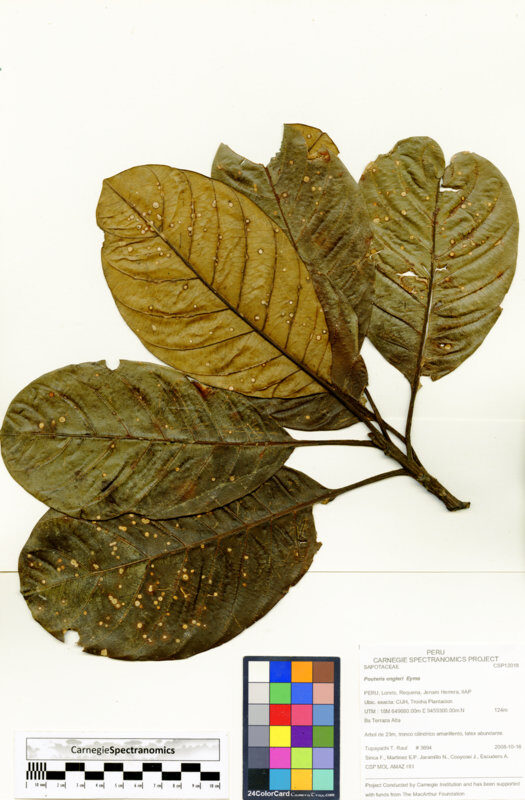
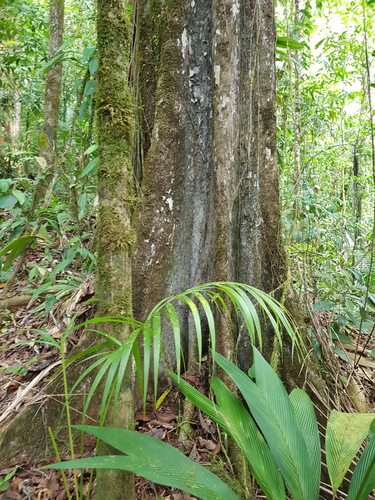
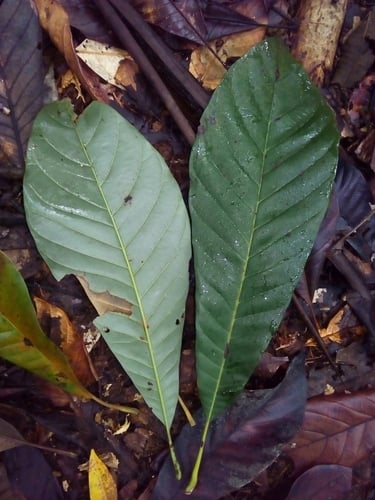
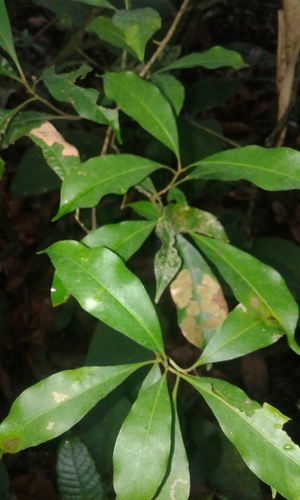
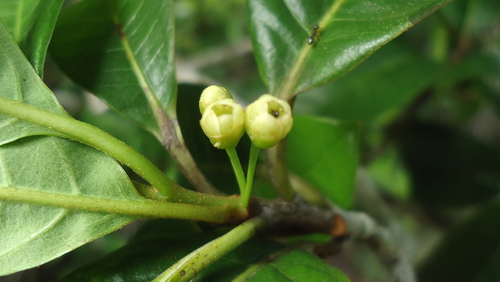
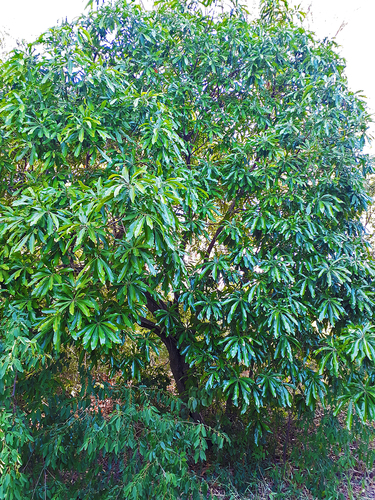
A tree. It grows 30 m tall. The trunk can be 60 cm across. The leaves ate 7.5-15.5 cm long by 3.5-7 cm wide. The fruit is oval and 2 cm long by 1.3 cm wide. They are reddish-brown and slightly hairy.
Edible Uses
Sap and possibly fruit are eaten.
Distribution
It is a tropical palnt.
Where It Grows
Asia, Indonesia, Malaysia, SE Asia,
Other Uses
Wood. We do not have any more specific information on the wood of this species, but it belongs to a group of timbers collectively called 'Bitis' or 'Nyatoh'. The general description of bitis wood is as follows:- The heartwood is red-brown to purple- or chocolate-red-brown; it is sharply demarcated from the yellow-brown to purple-grey-brown sapwood. The texture is moderately fine and even, with straight or shallowly interlocked grain. The wood is strong, heavy and durable. It is very difficult to treat with preservatives. It is slightly difficult to difficult to resaw, easy to slightly difficult to crosscut. Planing is slightly difficult but the planed surface is smooth. Nailing property is rated as poor. The timber seasons slowly with moderate end-checking, splitting and surface-checking as the major sources of defects. Shrinkage is high. The timber is likely to be fairly difficult to dry. The wood is suitable for all forms of heavy construction, bridges, wharves, piers, piling, posts, railway sleepers, parquet flooring and heavy flooring. Bitis is essentially a Peninsular Malaysian name. In Sabah and Sarawak, the timber is not differentiated from the lighter species of Madhuca and Palaquium, and they are all sold together as nyatoh.
Synonyms
Also Known As
Mentu taban
References (2)
- Wiersema, J. H. & Leon, B., 2013, World Economic Plants. A Standard Reference CRC Press. 2nd Ed. p 424
- World Checklist of Useful Plant Species 2020. Royal Botanic Gardens, Kew