Cruciata laevipes
Opiz.
Crosswort
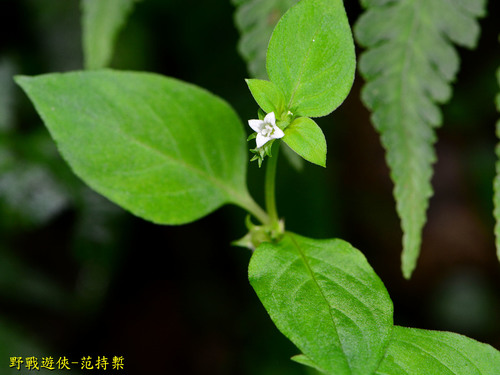
iNaturalist· cc-by-nc
(c) gardatxanae, some rights reserved (CC BY-NC), uploaded by gardatxanae
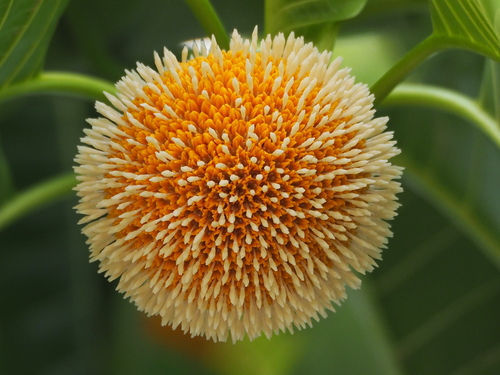
iNaturalist· cc-by-nc
(c) François-Xavier Taxil, some rights reserved (CC BY-NC), uploaded by François-Xavier Taxil
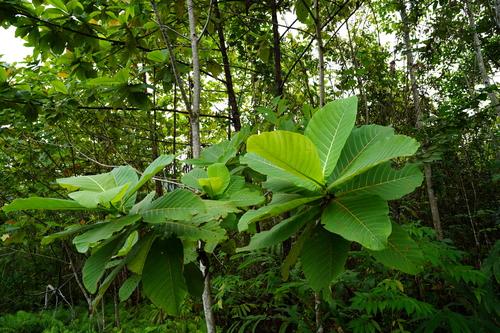
iNaturalist· cc-by-nc
(c) Martin A. Prinz, some rights reserved (CC BY-NC), uploaded by Martin A. Prinz
Summary
Source: WikipediaCruciata laevipes is a species of flowering plant in the family Rubiaceae. It is commonly known as crosswort, smooth bedstraw or Luc na croise in Gaelic. The Latin epithet laevipes refers to the smooth stalk. The common name crosswort is a 16th century translation of the botanists' Latin cruciata planta, meaning "cross plant", i.e., with leaves in a cross-like arrangement.
Description
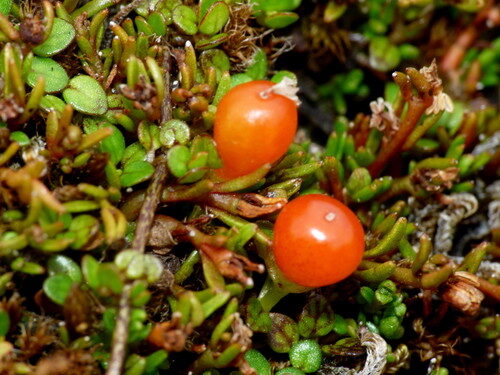
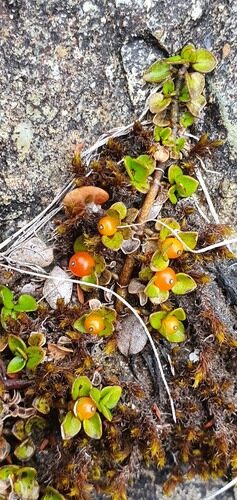
A short, softly hairy herb. It keeps growing from year to year. It has a creeping rootstock. The stems are square. They are branched near the base. The leaves are in rings of four. They are oval and 12-20 mm long and have 3 veins. They are yellowish-green. The flowers are pale yellow and have a honey smell. The flowers are 2-2.5 mm wide and in clusters in rings at the base of the leaves. The fruit is round, smooth and hairless. They are black when ripe.
Edible Uses
The leaves can be eaten raw or cooked.
Medicinal Uses
The herb is astringent, diuretic and vulnerary. Though little used today, it was traditionally valued as a wound herb for both internal and external application. A decoction of the leaves has been used to treat obstructions of the stomach and bowels, stimulate the appetite, and as a remedy for rheumatism, rupture and dropsy. Several species in this genus contain asperuloside, a substance that produces coumarin — responsible for the scent of new-mown hay as the plant dries — and which can be converted into prostaglandins (hormone-like compounds that stimulate the uterus and affect blood vessels), making the genus of interest to the pharmaceutical industry.
Distribution
A temperate or Mediterranean climate plant. It grows in grassy habitats and mostly on calcareous soils.
Where It Grows
Africa, Britain, Europe, France, Greece, Italy, Luxembourg, Mediterranean, Portugal, Slovenia, Spain, Turkey, Türkiye,
Cultivation
Prefers a loose moist leafy soil in some shade. Tolerates dry soils but the leaves quickly become scorched when growing in full sun. This species does not thrive in a hot climate. The flowers have a sweet powerful perfume.
Propagation
Sow seed in situ as soon as it is ripe in late summer; spring-sown seed may be very slow to germinate. Divide plants in spring or throughout the growing season, keeping divisions well watered. Larger clumps can go directly into permanent positions, while smaller clumps are best potted up and grown on in a cold frame until well rooted before planting out in spring.
Other Uses
A red dye is obtained from the root.
Synonyms
Also Known As
Navadna dremota
References (2)
- Blamey, M and Grey-Wilson, C., 2005, Wild flowers of the Mediterranean. A & C Black London. p 181
- Plants for a Future database, The Field, Penpol, Lostwithiel, Cornwall, PL22 0NG, UK. http://www.scs.leeds.ac.uk/pfaf/