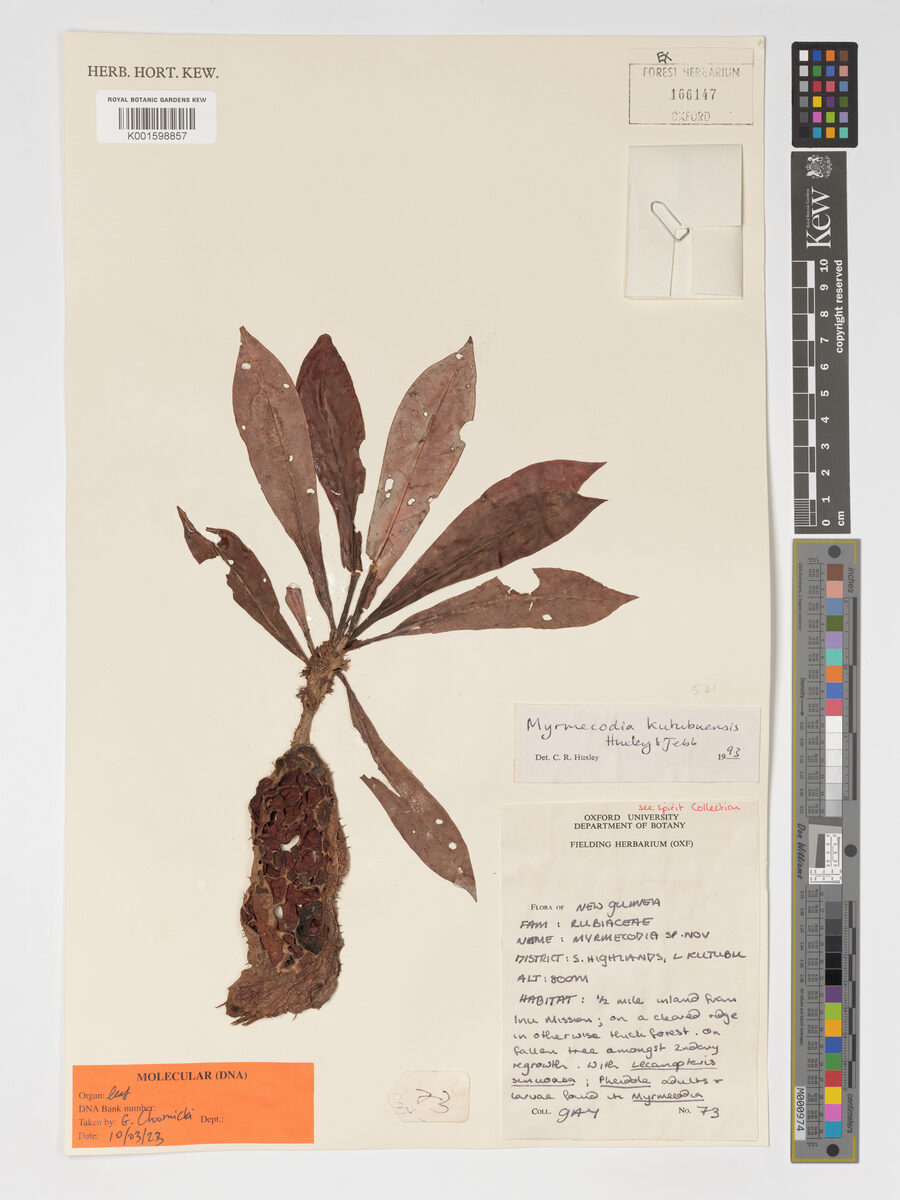
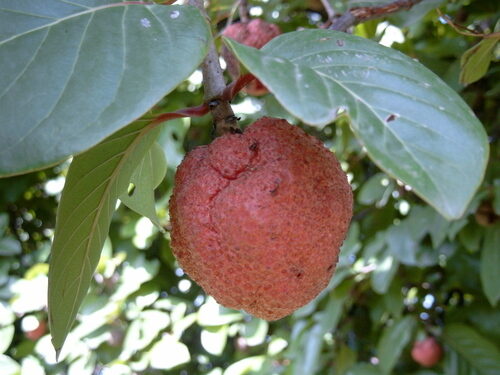
Ceriscoides campanulata
(Roxb.) Tirveng.
Bitmara, Dieng-chhi, Bhimona
gbif· cc0
Royal Botanic Garden Edinburgh
gbif· cc-by
Royal Botanic Gardens, Kew
gbif· cc0
Royal Botanic Garden Edinburgh
Description
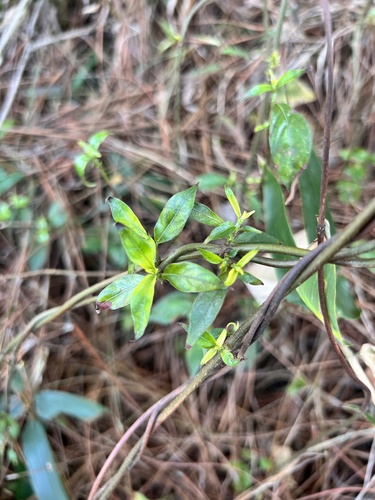
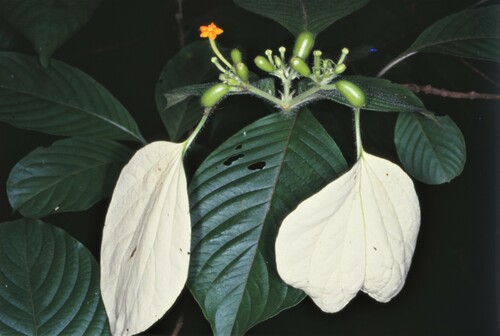
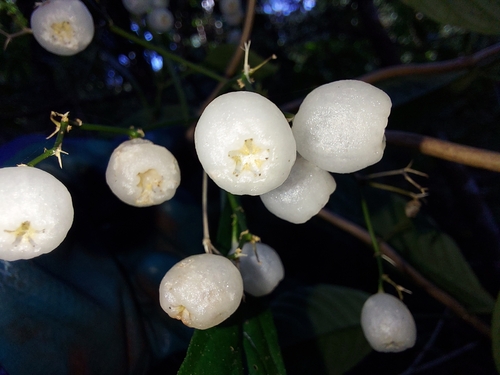
A large shrub or small tree. The leaves are opposite. The flowers are of two forms. The fruit is a flattened round shape. They have 5 ridges.
This description is brief — help expand it
Edible Uses
The fruit are cooked and eaten. The leaves and flowers are also cooked and eaten.
Traditional Uses
The fruit are cooked and eaten. The leaves are cooked and eaten.
This uses section is brief — help expand it
Distribution
It is a subtropical plant. It grows up to 400 m above sea level.
Where It Grows
Asia, India, Nepal, Northeastern India,
Production
In NE India plants flower and fruit March to November.
Notes
There are about 200 Gardenia species.
Synonyms
Also Known As
Gandhaphaji, Pedar, Soh-mai
References (8)
- Ambasta, S.P. (Ed.), 2000, The Useful Plants of India. CSIR India. p 231 (As Gardenia campanulata)
- Dangol, D. R. et al, 2017, Wild Edible Plants in Nepal. Proceedings of 2nd National Workshop on CUAOGR, 2017.
- Dobriyal, M. J. R. & Dobriyal, R., 2014, Non Wood Forest Produce an Option for Ethnic Food and Nutritional Security in India. Int. J. of Usuf. Mngt. 15(1):17-37 (As Gardenia campanulata)
- Jeeva, S., 2009, Horticultural potential of wild edible fruits used by the Khasi tribes of Meghalaya. Journal or Horticulture and Forestry Vol. 1(9) pp. 182-192 (As Gardenia campanulata)
- Patiri, B. & Borah, A., 2007, Wild Edible Plants of Assam. Geethaki Publishers. p 67 (As Gardenia campanulata)
Show all 8 references Hide references
- Sarma, H., et al, 2010, Updated Estimates of Wild Edible and Threatened Plants of Assam: A Meta-analysis. International Journal of Botany 6(4): 414-423 (As Gardenia campanulata)
- Sawian, J. T., et al, 2007, Wild edible plants of Meghalaya, North-east India. Natural Product Radiance Vol. 6(5): p 417 (As Gardenia campanulata)
- Singh, H.B., Arora R.K.,1978, Wild edible Plants of India. Indian Council of Agricultural Research, New Delhi. p 26, 76 (As Gardenia campanulata)