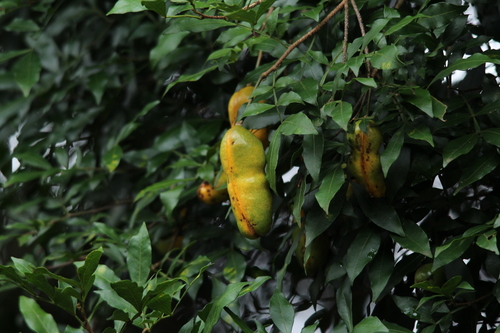
Crotalaria vitellina
Ker Gawl.
Chipilín montés
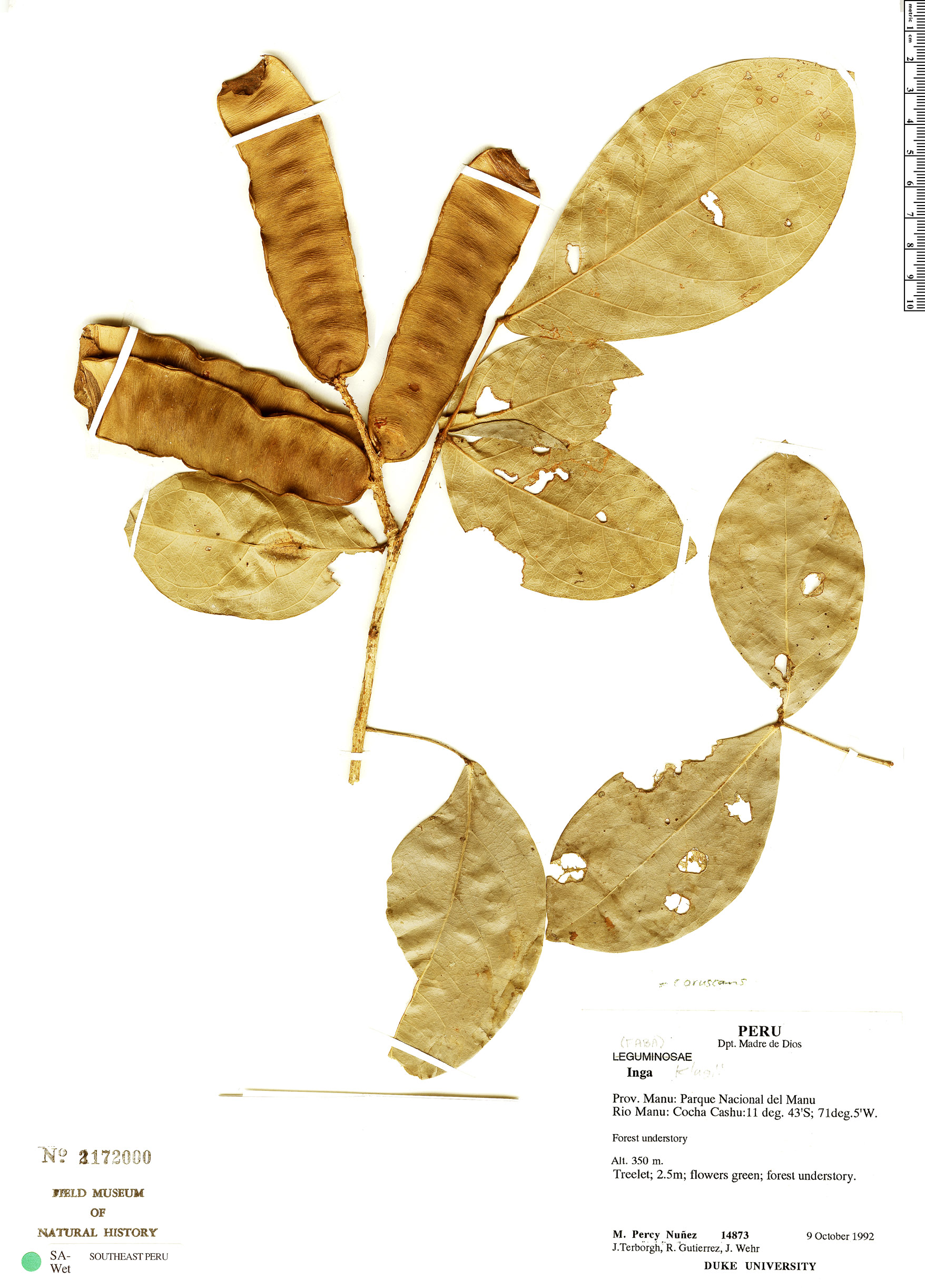
iNaturalist· cc-by-nc
(c) Eloisa Leopoldo, some rights reserved (CC BY-NC), uploaded by Eloisa Leopoldo
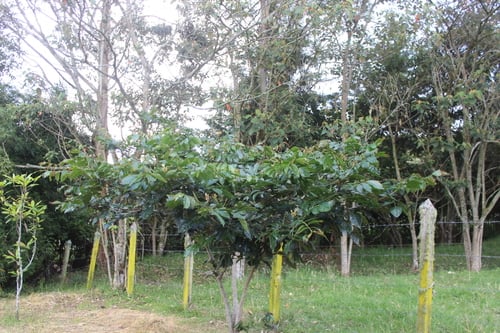
iNaturalist· cc-by-nc-sa
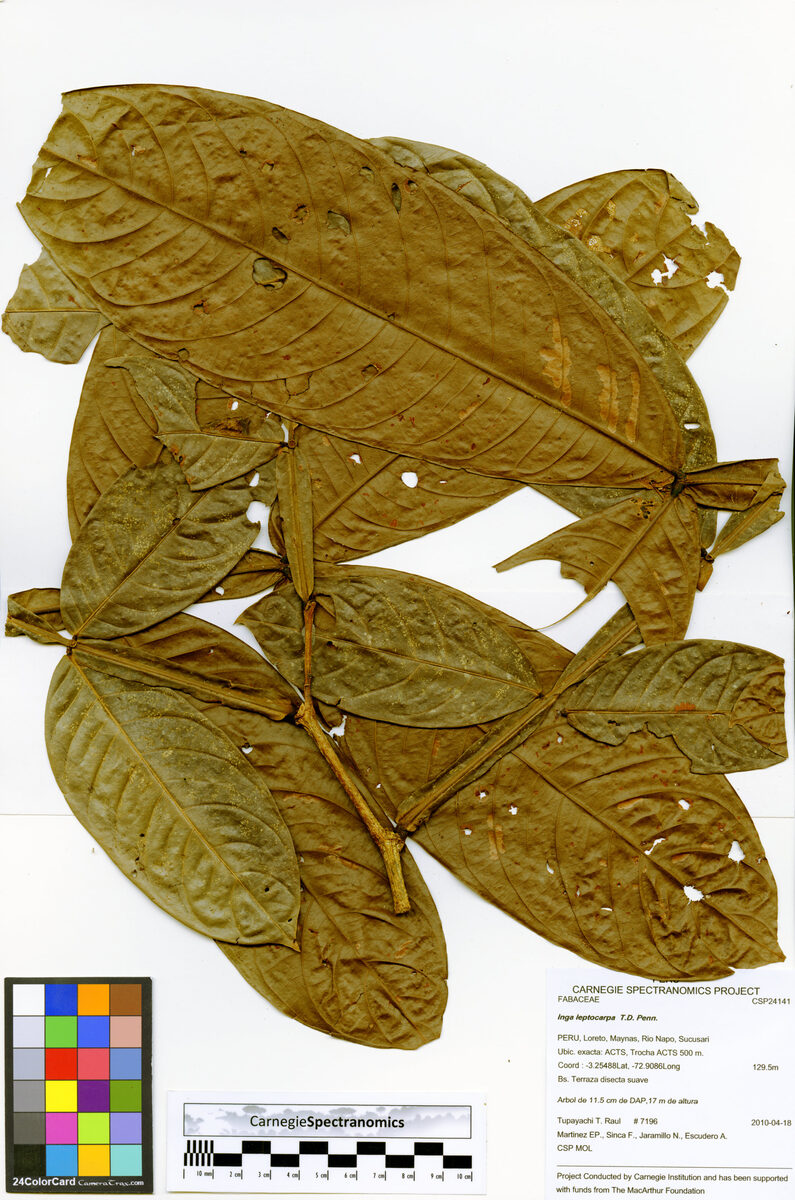
(c) MBG, some rights reserved (CC BY-NC-SA)
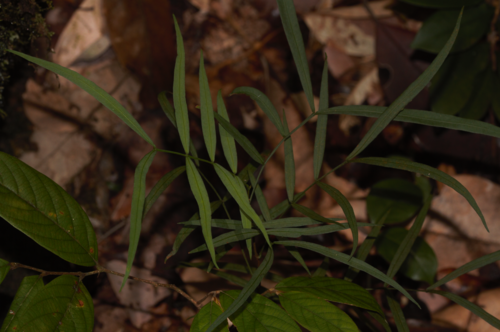
iNaturalist· cc-by-nc-sa
(c) "<a href=""http://www.ars.usda.gov/main/site_main.htm?modecode=12-75-39-00"">ARS Systematic Botany and Mycology Laboratory</a>. Costa Rica.", some rights reserved (CC BY-NC-SA)
Description
A tropical herb or shrub of the Fabaceae family, one of approximately 550 mostly tropical Crotalaria species.
This description is brief — help expand it
Edible Uses
The leaves are eaten as a potherb and as a cooked vegetable.
Traditional Uses
The leaves are eaten as a potherb and as a cooked vegetable.
This uses section is brief — help expand it
Distribution
A tropical plant.
Where It Grows
Belize, Brazil, Caribbean, Central America, Colombia, Costa Rica, Cuba, Dominican Republic, El Salvador, Guatemala, Mexico, North America, Panama, South America, Venezuela, West Indies,
Notes
There are about 550 Crotalaria species. They are mostly tropical.
Synonyms
Also Known As
Cohetillo
References (7)
- Bot. Reg. 6: t. 447. 1820
- ILDIS Legumes of the World http:www:ildis.org/Legume/Web
- Kermath, B. M., et al, 2014, Food Plants in the Americas: A survey of the domesticated, cultivated and wild plants used for Human food in North, Central and South America and the Caribbean. On line draft. p 276
- Kew Plants of the World onLine
- Seidemann J., 2005, World Spice Plants. Economic Usage, Botany, Taxonomy. Springer. p 122 (As Crotalaria guatemalensis)
Show all 7 references Hide references
- USDA, ARS, National Genetic Resources Program. Germplasm Resources Information Network - (GRIN). [Online Database] National Germplasm Resources Laboratory, Beltsville, Maryland. Available: www.ars-grin.gov/cgi-bin/npgs/html/econ.pl (10 April 2000)
- World Checklist of Useful Plant Species 2020. Royal Botanic Gardens, Kew