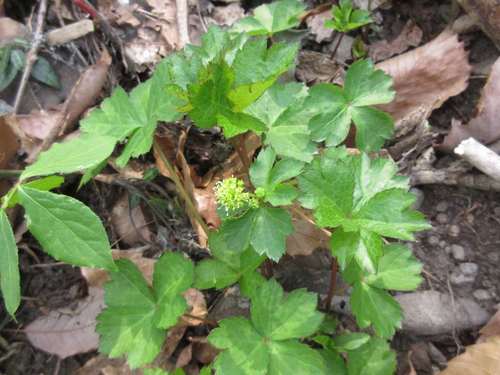
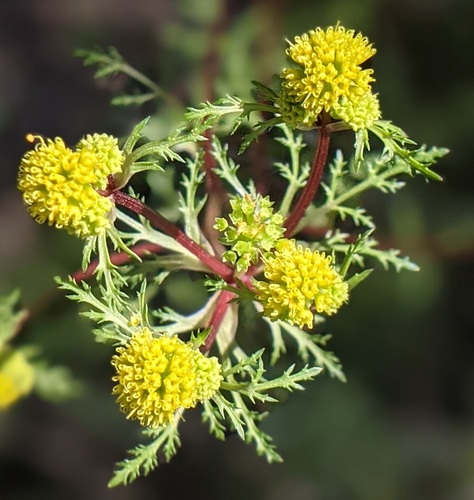
Apium decumbens
Eckl. & Zeyh.
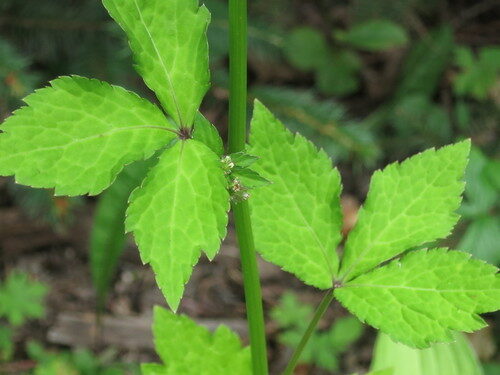
iNaturalist· cc-by-sa
(c) douglaseustonbrown, some rights reserved (CC BY-SA), uploaded by douglaseustonbrown
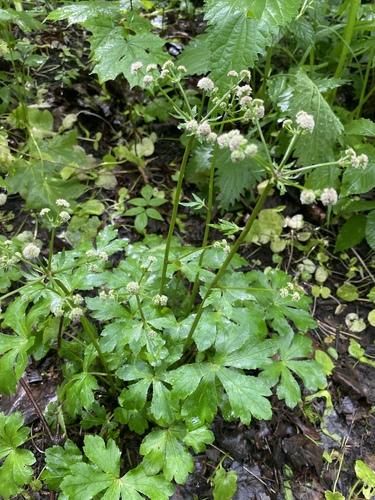
iNaturalist· cc-by-nc
(c) Adriaan Grobler, some rights reserved (CC BY-NC), uploaded by Adriaan Grobler
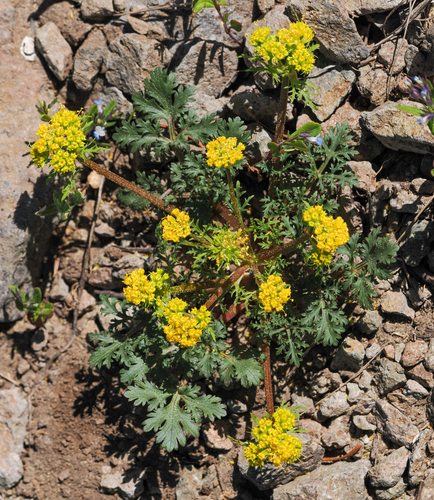
iNaturalist· cc-by-nc
(c) YvettevWijk, some rights reserved (CC BY-NC), uploaded by YvettevWijk
Description
A subtropical herbaceous plant in the carrot family (Apiaceae) grown as a vegetable.
This description is brief — help expand it
Edible Uses
Wild celery was used for its medical properties and as a condiment by the Ancient Egyptians, Greeks and Romans, and also in China. The species was later developed as a vegetable, particularly in Italy from the 16th century. Modern cultivars have been selected for different uses, falling into three groups according to the part that is mainly eaten: Celery (Apium graveolens Dulce Group; syn. Apium graveolens var. dulce), is used for its leaf stalks, which may be eaten raw or cooked. Celeriac (Apium graveolens Rapaceum Group; syn. Apium graveolens var. rapaceum), is used for its swollen bulb-like hypocotyl. Leaf celery or smallage (Apium graveolens Secalinum Group; syn. Apium graveolens var. secalinum), has larger leaves; both the leaves and stems are eaten.
Distribution
It is a subtropical plant.
Where It Grows
Africa, South Africa, Southern Africa,
References (1)
- Ruiters-Welcome, A. K., 2019, Food plants of southern Africa. Ph.D. thesis. Univ. of Johannesburg p 18