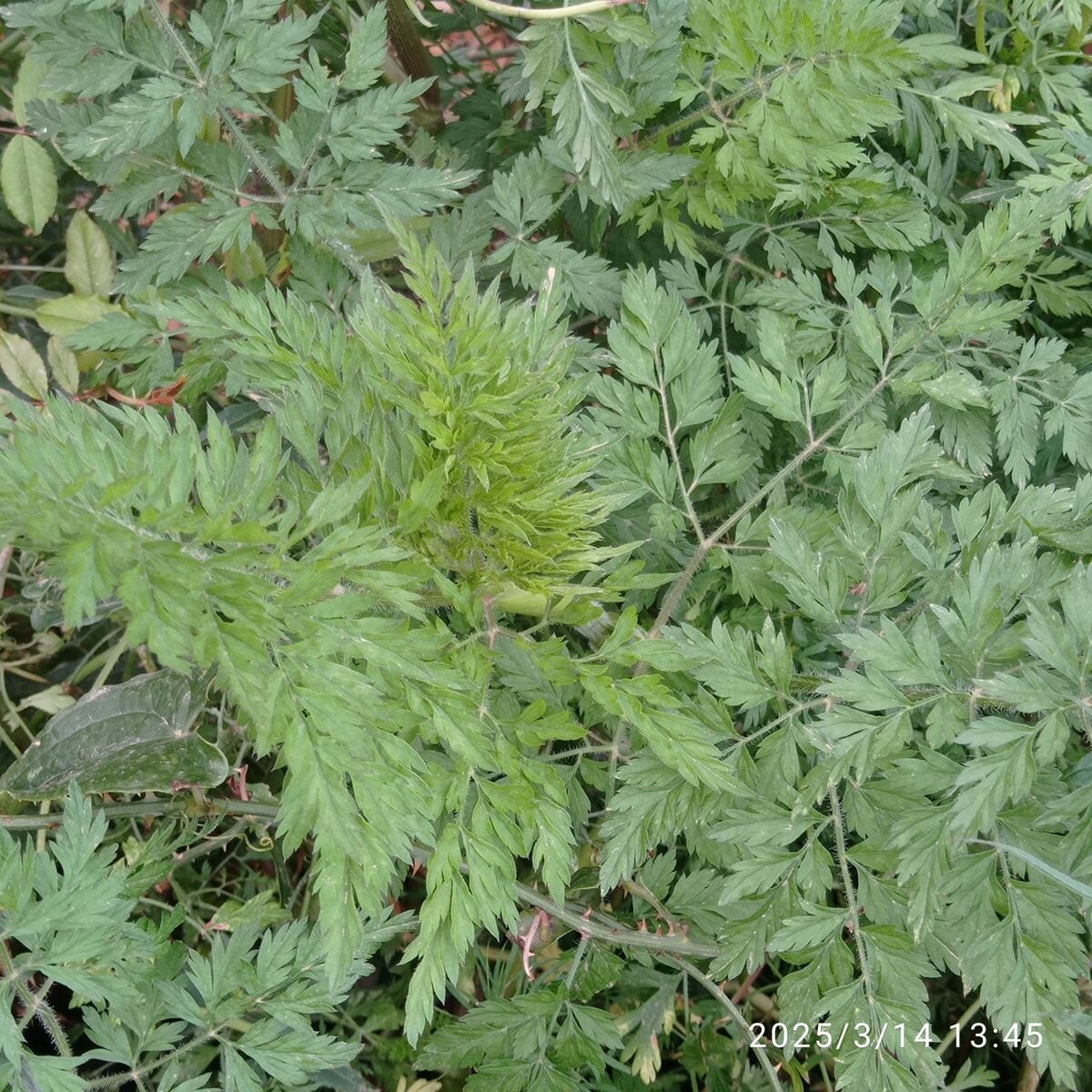
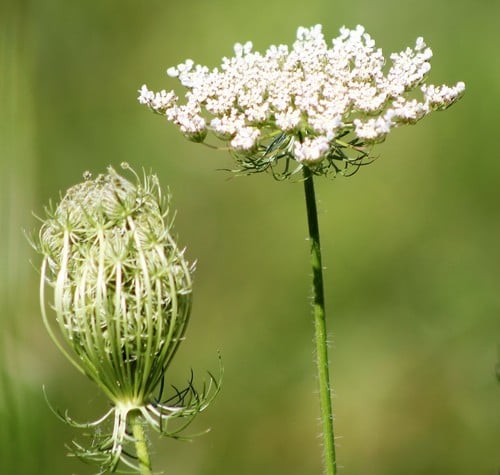
Pimpinella major
(L.) Huds.
Great burnet-saxifrage, White saxifrage
iNaturalist· cc-by-nc
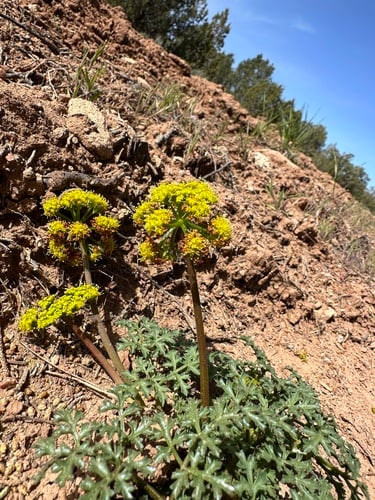
(c) Martin A. Prinz, some rights reserved (CC BY-NC), uploaded by Martin A. Prinz
iNaturalist· cc-by
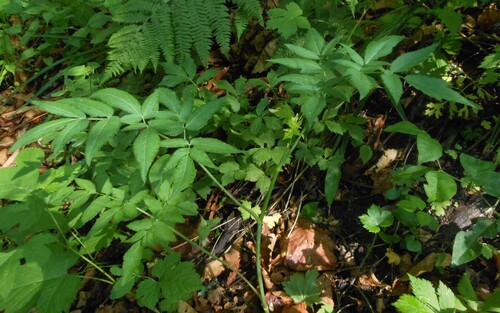
(c) john shortland, some rights reserved (CC BY)
iNaturalist· cc-by-nc
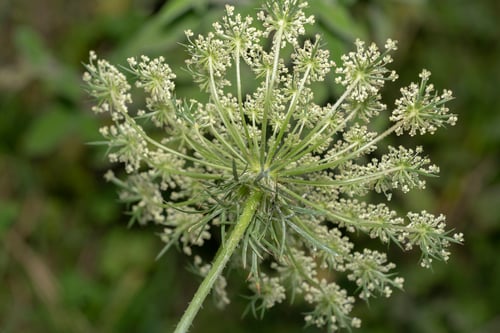
(c) Merle Geissberger, some rights reserved (CC BY-NC), uploaded by Merle Geissberger
Summary
Source: WikipediaPimpinella major, common name greater burnet-saxifrage or hollowstem burnet saxifrage, is a herbaceous perennial plant in the genus Pimpinella belonging to the carrot family (Apiaceae).
Description
Perennial herb reaching 0.8 m tall and 0.3 m wide. Hardy to UK zone 5, not frost tender. Flowers June to July with seeds ripening July to August. Hermaphroditic and bee-pollinated, self-fertile. Tolerates light sandy, medium loamy, and heavy clay soils across mildly acidic to mildly alkaline pH ranges. Grows in semi-shade or full sun and prefers moist conditions.
Edible Uses
An essential oil from the roots is used as a flavouring in candy, liqueurs, and similar products.
Traditional Uses
The roots are a source of an essential oil used to flavour candy and liqueurs.
This uses section is brief — help expand it
Medicinal Uses
The leaves are diaphoretic, diuretic, resolvent, and stomachic. The plant is harvested as it comes into flower and dried for later use. The root is anti-inflammatory, mildly astringent, and expectorant. The fresh root is very hot and acrid, though much of this pungency is lost on drying. When chewed, the fresh root is effective for toothache and paralysis of the tongue. As a diuretic, the root is used to treat disorders arising from obstructions of the viscera, and it is also used to soothe coughs and the effects of laryngitis and bronchitis. Roots can be harvested in spring or autumn and dried for later use. The seeds are carminative. The German Commission E Monographs approve Pimpinella major (Greater Burnet Saxifrage) for cough and bronchitis.
Distribution
It is a temperate plant.
Where It Grows
Asia, Europe, Luxembourg, Russia, Slovenia,
Propagation
The seed requires a period of cold stratification. Fresh seed should be sown immediately upon obtaining it, either in situ if sufficient quantities are available, or in pots in a cold frame if supplies are limited. Stored seed should be sown as soon as it can be obtained, preferably in a cold frame. When large enough to handle, prick pot-grown seedlings into individual pots and plant out in summer.
Other Uses
None known Special Uses
References (5)
- Cerne, M., 1992, Wild Plants from Slovenia used as Vegetables. Acta Horticulturae 318
- Facciola, S., 1998, Cornucopia 2: a Source Book of Edible Plants. Kampong Publications, p 21
- Fl. angl. 110. 1762
- Kaliszewska, I & Kolodziejska-Degorska, I, 2015, The social context of wild leafy vegetables uses in Shiri, Daghestan. Journal of Ethnobiology and Ethnomedicine, 11:63
- Morton, 1976,