Pimpinella saxifraga
L.
Burnet saxifrage, Salad Burnet, Black caraway
iNaturalist· cc-by-sa
(c) Udo Schmidt, some rights reserved (CC BY-SA)
iNaturalist· cc-by-nc
(c) julia64i2iwi, some rights reserved (CC BY-NC)
iNaturalist· cc-by-nc
(c) V.S. Volkotrub, some rights reserved (CC BY-NC), uploaded by V.S. Volkotrub
Summary
Source: WikipediaPimpinella saxifraga, known as burnet-saxifrage, solidstem burnet saxifrage, lesser burnet is a plant species in the family Apiaceae, a native of the British Isles and temperate Europe and Western Asia. It is neither a burnet, which its leaves resemble, nor a saxifrage although it has a similar herbal effect as a diuretic. The plant makes up a large part of the turf in some of southern England's chalk downs. It is highly nutritious for sheep and cattle, and in the past was cultivated on calcareous soils for fodder. John Gerard's Herball (1597) commends the plant's properties, and states that it is: "A speciall helpe to defend the heart from noysome vapours and from the infection of the Plague or Pestilence, and all other contagious diseases for which purpose it is of great effect, the juice thereof being taken in some drink...it is a capital wound herb for all sorts of wounds, both of the head and body, either inward or outward, used either in juice or decoction of the herb, or by the powder of the herb or root..."
Description
A herb. The stems are solid and hairy with shallow ridges. The leaves near the base have 3-9 leaflets. They have teeth along the edge. The leaves on the stem are smaller and have irregular teeth and a swollen base. The flowers are white. The seeds are very small and have faint ridges along them.
Edible Uses
An essential oil from the roots is used as a flavouring in candy, liqueurs, and similar products.
Traditional Uses
The young leaves and shoots are eaten in salads of added to cooling drinks. The shoots and flower heads have been used to flavour beer, ale and wine. The seeds are coated with sugar and eaten. An essential oil from the roots is used for flavouring candies. The root and young shoots are cooked as a vegetable.
Medicinal Uses
The leaves are diaphoretic, diuretic, resolvent, and stomachic. The plant is harvested as it comes into flower and dried for later use. The root is anti-inflammatory, mildly astringent, and expectorant. The fresh root is very hot and acrid, though much of this pungency diminishes when dried. When chewed, the fresh root is effective for toothache and paralysis of the tongue. As a diuretic, the root is used to address disorders arising from obstructions of the viscera, and it is also used to soothe coughs and the effects of laryngitis and bronchitis. Roots can be harvested in spring or autumn and dried for later use. The seeds are carminative. The German Commission E Monographs approve Pimpinella major (Greater Burnet Saxifrage) for cough and bronchitis.
Distribution
It is a temperate plant. It suits hardiness zone 5.
Where It Grows
Armenia, Asia, Australia, Balkans, Belgium, Bosnia, Britain, Caucasus, Europe, Germany, India, Ireland, Luxembourg, Mediterranean, Norway, Scandinavia, Slovakia, Slovenia, Spain, Turkey, Türkiye, USA,
Cultivation
Plants are grown from seed.
Propagation
The seed requires a period of cold stratification. Fresh seed should be sown immediately, either in situ if quantities allow or in pots in a cold frame. Stored seed should be sown as soon as it can be obtained, preferably in a cold frame. When large enough to handle, prick pot-grown seedlings into individual pots and plant out in summer.
Other Uses
None known Special Uses Food Forest
Other Information
It is sold in local makets.
Also Known As
Anison, Bedrencok, Bedrenika, Gjeldkarve, Qoshkhot
References (16)
- Ambasta, S.P. (Ed.), 2000, The Useful Plants of India. CSIR India. p 457
- Bodkin, F., 1991, Encyclopedia Botanica. Cornstalk publishing, p 799
- Cerne, M., 1992, Wild Plants from Slovenia used as Vegetables. Acta Horticulturae 318
- Crawford, M., 2012, How to grow Perennial Vegetables. Green Books. p 82
- Facciola, S., 1998, Cornucopia 2: a Source Book of Edible Plants. Kampong Publications, p 21
Show all 16 references Hide references
- Girard, N. J., 2020, Sustainable Foraging of Wild Edible Plants in Norway. A Biocultural Approach. M. Sc. thesis Norwegian University. p 128
- Hibbert, M., 2002, The Aussie Plant Finder 2002, Florilegium. p 234
- Irving, M., 2009, The Forager Handbook, A Guide to the Edible Plants of Britain. Ebury Press p 129
- Jackes, D. A., Edible Forest Gardens
- Kiple, K.F. & Ornelas, K.C., (eds), 2000, The Cambridge World History of Food. CUP p 432
- Kybal, J., 1980, Herbs and Spices, A Hamlyn Colour Guide, Hamlyn Sydney p 154
- Luczaj, L., 2012, Ethnobotanical review of wild edible plants of Slovakia. Acta Societatis Botanicorum Poloniae 81(4):245-255
- Nanagulyan, S., et al, 2020, Wild plants and fungi sold in the markets of Yerevan (Armenia). Journal of Ethnobiology and Ethnomedicine 16:26
- Plants for a Future database, The Field, Penpol, Lostwithiel, Cornwall, PL22 0NG, UK. http://www.scs.leeds.ac.uk/pfaf/
- Redzic, S. J., 2006, Wild Edible Plants and their Traditional Use in the Human Nutrition in Bosnia-Herzegovina. Ecology of Food and Nutrition, 45:189-232
- Sp. pl. 1:263. 1753
More from Apiaceae
Ligusticum hultenii
Hulten's Licorice Root
Ligusticum mutellina - (L.)Crantz.
Mountain Lovage, Alpine lovage
Ligusticum officinale
Ligusticum porteri
Porter's licorice root
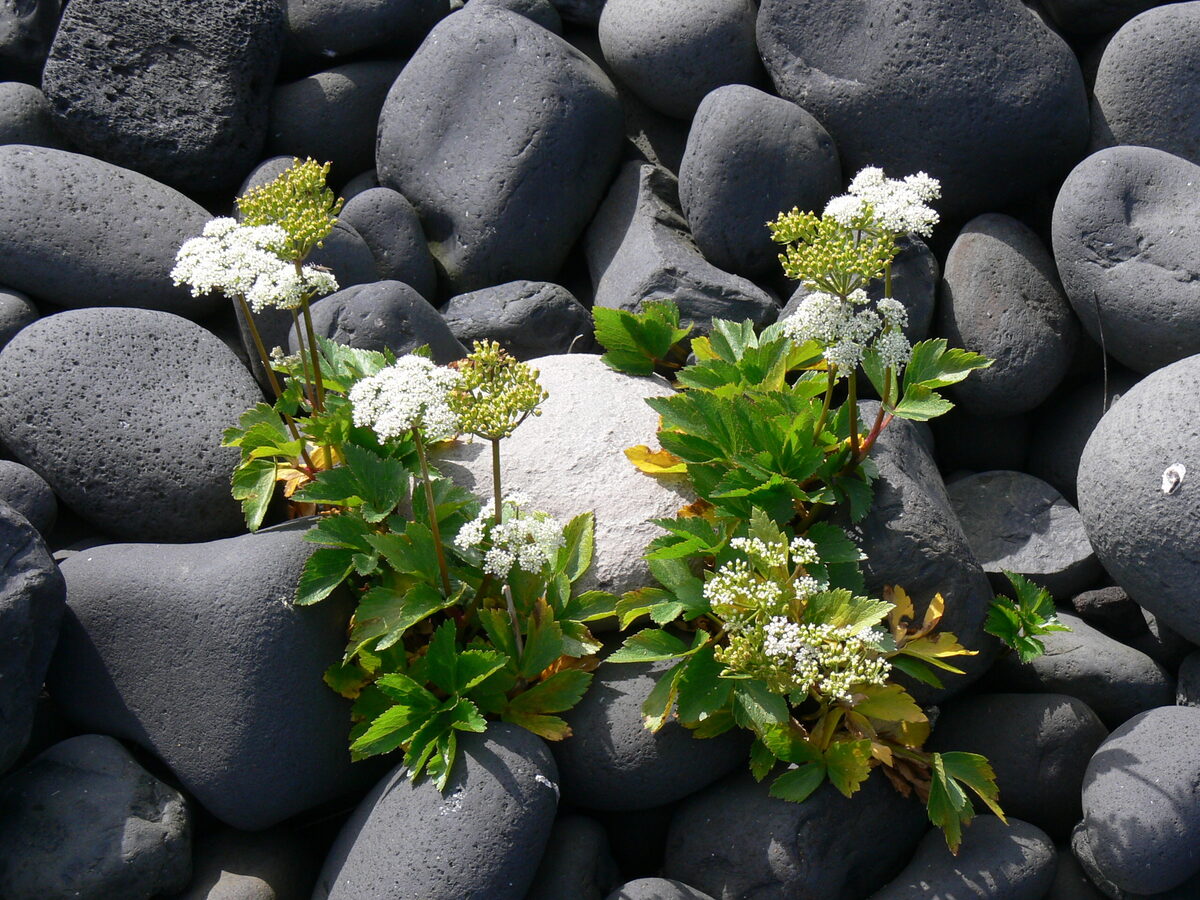
Ligusticum scoticum
Scottish Lovage, Scottish licorice-root, Hulten's licorice-root
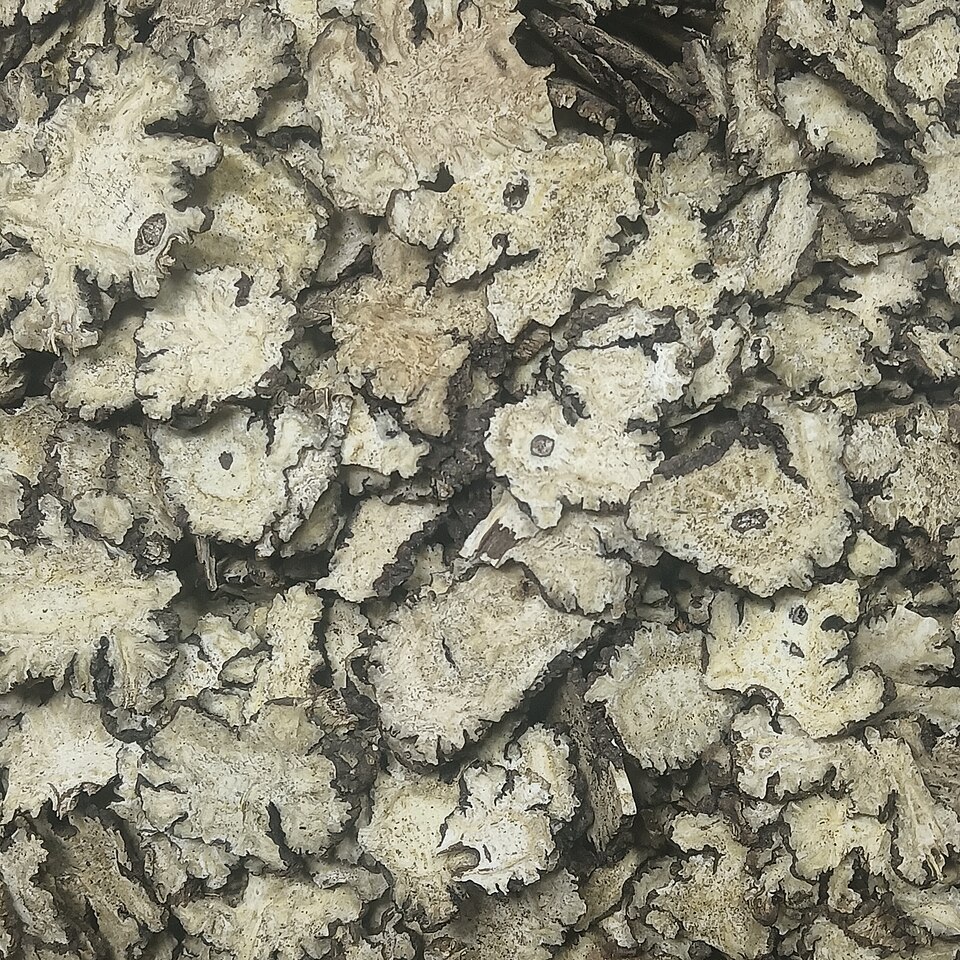
Ligusticum sinense
Chinese lovage, Mountain coriander