Nolina nelsonii
Rose
Blue nolina
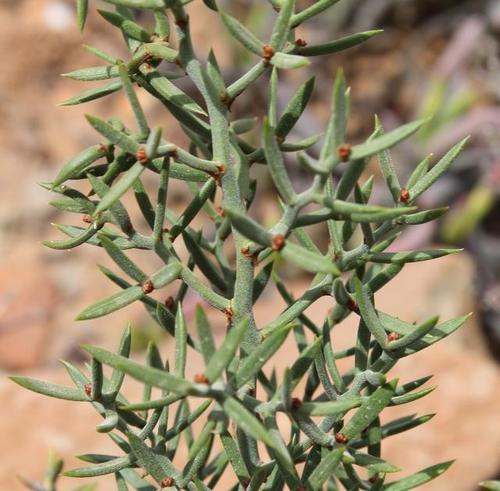
iNaturalist· cc-by-nc
(c) Roberto R. Calderón, some rights reserved (CC BY-NC), uploaded by Roberto R. Calderón
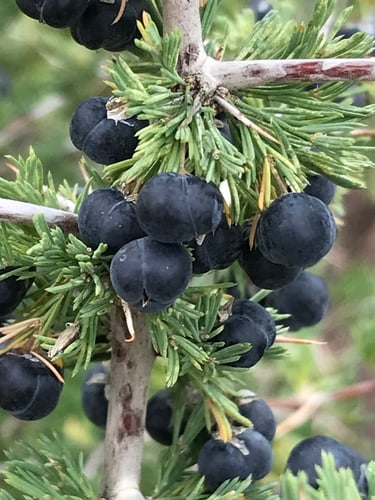
iNaturalist· cc-by-nc
(c) Roberto R. Calderón, some rights reserved (CC BY-NC)
Summary
Source: WikipediaNolina nelsonii (Blue Nolina or Nelson's Bear Grass), often misspelled Nolina nelsoni, is a flowering plant in the genus Nolina. The species was first described in 1906; in its genus, it is morphologically most similar to Nolina parryi. This extremely drought-tolerant plant is native to the deserts and montane regions in the State of Tamaulipas in northern/northeastern Mexico. It is known to be cold-hardy to at least −12 °C. It develops a trunk measuring from one to several meters high, making it an arborescent member of its genus. The bluish-green leaves, with finely toothed margins, are borne in dense rosettes, each with up to several hundred stiff linear (narrow) leaves up to 70 centimeters long. It is dioecious; upon reaching sexual maturity, its white-flowered inflorescence appears in Spring. The fruit capsules are around 80 mm in length, containing light-brown, spherical to oblong seeds 2–3 mm in diameter. After blooming, the plant's main trunk dies and multiple lateral trunks emerge to take its place.
Description
A tree-like succulent. It is like an agave. It has a thick straight trunk and grows 2 m tall. It has a clusters of long strap like leaves at the top. It has large blue or white flower heads.
Distribution
It is a temperate plant.
References (1)
- World Checklist of Useful Plant Species 2020. Royal Botanic Gardens, Kew