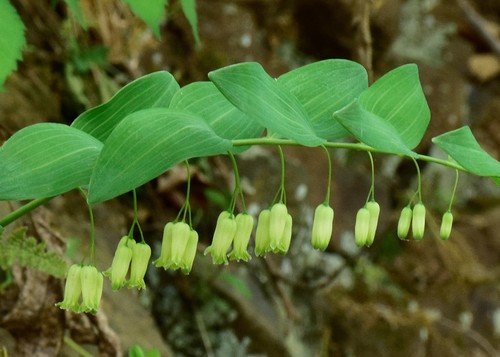
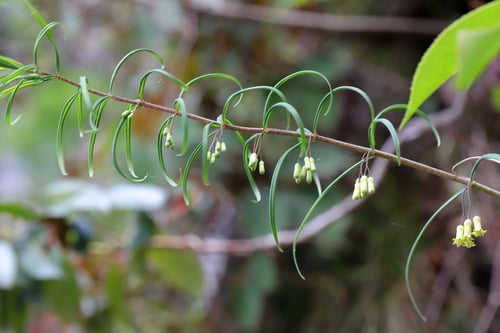
Maianthemum bifolium
(L.) F. W. Schmidt
iNaturalist· cc-by-nc-sa
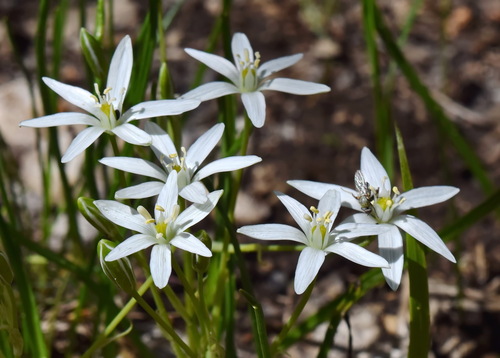
(c) Cano Vääri, some rights reserved (CC BY-NC-SA)
iNaturalist· cc-by-sa
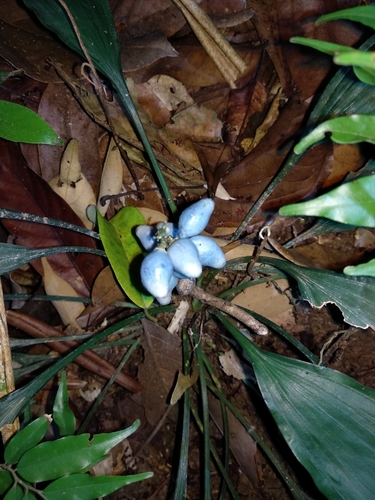
(c) Miika Silfverberg, some rights reserved (CC BY-SA)
iNaturalist· cc-by-nc
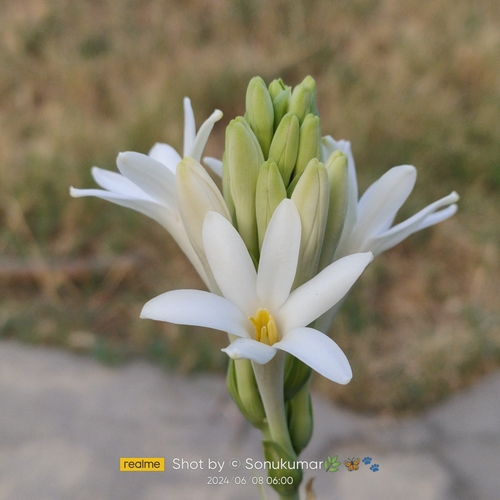
(c) yulyac, some rights reserved (CC BY-NC), uploaded by yulyac
Summary
Source: WikipediaMaianthemum bifolium (false lily of the valley or May lily) is often a localized common rhizomatous flowering plant, native from western Europe (including Britain) east to Siberia, China and Japan.
Description
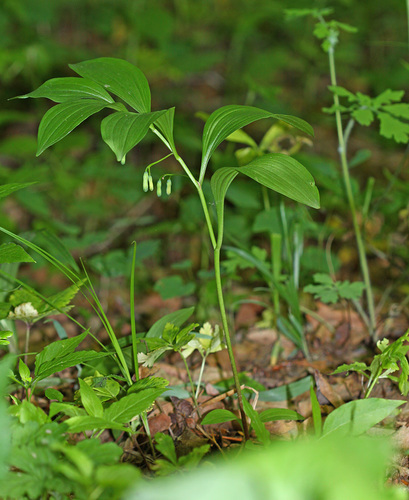
A herb. It grows 8-20 cm tall. The rhizome is 20 cm long by 1-2 mm wide and can be forked. The stems can have scattered hairs. There are usually 2 leaves on the stem. The leaves are 3-8 cm long by 1-5 cm wide. The veins areahiry underneath the leaf. The base is heart shaped and there are small teeth along the edge. The flowers occur singly or in pairs. They are white. The fruit is a red berry 3-6 mm across.
Edible Uses
The red berries are eaten fresh as a snack or used to make wine.
Traditional Uses
The fruit are used to make wine. They are also eaten as a snack.
This uses section is brief — help expand it
Distribution
It is a temperate plant. It grows in moist places and on hillsides along streams between 500-2,700 m above sea level in north China.
Where It Grows
Asia, Belarus, China, Estonia, Europe, Japan, Korea, Luxembourg, Mongolia, North America, Norway, Poland, Russia, Scandinavia, Slovenia,
Notes
Also put in the families Malvaceae, Convallariaceae and Liliaceae.
Synonyms
Also Known As
Dvolistna senčnica, Maiblom, Majnik, Metsviinamari, Orava marjad, Viinamari
References (6)
- Girard, N. J., 2020, Sustainable Foraging of Wild Edible Plants in Norway. A Biocultural Approach. M. Sc. thesis Norwegian University. p 128
- http://www.botanic-gardens-ljubljana.com/en/plants
- Kalle, R. & Soukand, R., 2012, Historical ethnobotanical review of wild edible plants of Estonia (1770s-1960s) Acta Societatis Botanicorum Poloniae 81(4):271-281
- Łukasz Łuczaj and Wojciech M Szymański, 2007, Wild vascular plants gathered for consumption in the Polish countryside: a review. J Ethnobiol Ethnomedicine. 3: 17
- Soukand, R., et al, 2017, Multi-functionality of the few: current and past uses of wild plants for food and healing in Liubań region, Belarus. Journal of Ethnobiology and Ethnomedicine (2017) 13:10
Show all 6 references Hide references
- Urgamal, M., Oyuntsetseg, B., Nyambayar, D. & Dulamsuren, Ch. 2014. Conspectus of the vascular plants of Mongolia. (Editors: Sanchir, Ch. & Jamsran, Ts.). Ulaanbaatar, Mongolia.