Maianthemum atropurpureum
(Franch.) LaFrankle
iNaturalist· cc-by-nc
(c) ed_shaw, some rights reserved (CC BY-NC)
iNaturalist· cc-by-nc
(c) ed_shaw, some rights reserved (CC BY-NC)
Description
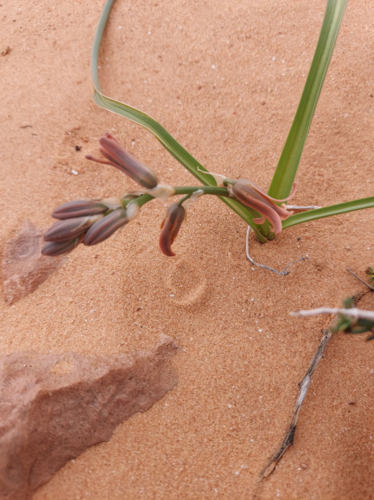
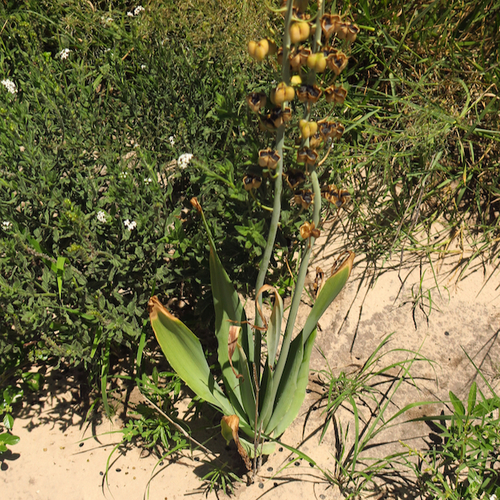
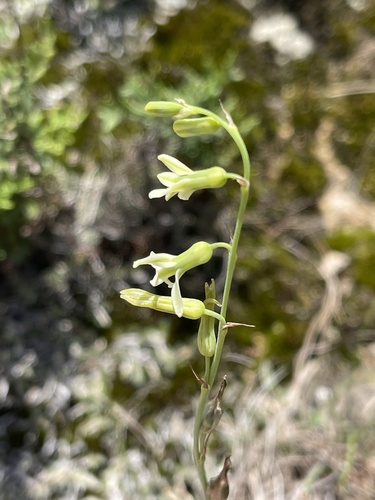
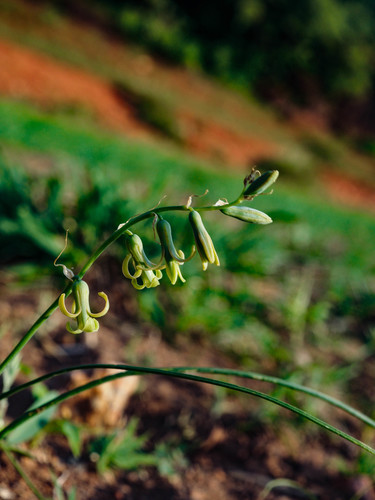
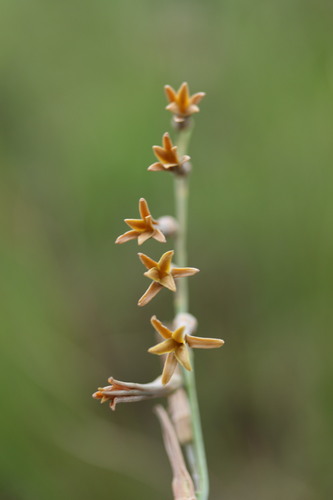
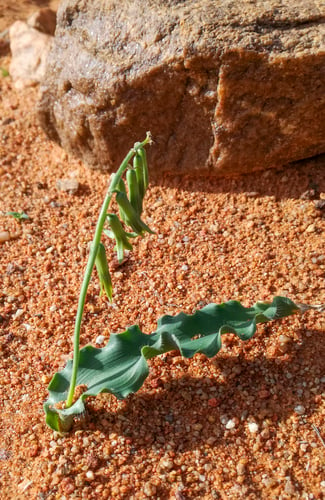
A herb. It grows 30-60 cm tall. It has a creeping rhizome. The stem is zigzag shape. There are 5-9 leaves. These are narrowly oval and 9-11 cm long by 5 cm wide. The flowers are in a panicle of individual flowers. They are white to purplish red.
Edible Uses
Young shoots and leaves are cooked in stir-fried dishes and added to soups.
Traditional Uses
Young shoots and leaves are cooked in stir fried dishes and added to soups.
This uses section is brief — help expand it
Distribution
It is a temperate plant. It grows in forests and moist shaded places between 1,400-3,000 m above sea level. It grows in Sichuan and Yunnan in China.
Where It Grows
Asia, China, Myanmar, SE Asia, Tibet,
Production
In Yunnan, leaves are harvested in May and June.
Other Information
Plants are very commonly used.
Notes
Also put in the family Convallariaceae.
Also Known As
Dong qi, Nibai, Zhuyecai
References (4)
- Cheng, Z., et al, 2022, Ethnobotanical study on wild edible plants used by Dulong people in northwestern Yunnan, China. Journal of Ethnobiology and Ethnomedicine (2022) 18:3
- Ju, Y., et al, 2013, Eating from the wild: diversity of wild edible plants used by Tibetans in Shangri-la region, Yunnan, China, Journal of Ethnobiology and Ethno medicine 9:28
- Yang, Shun-Li, et al, 2009, Steroidal saponins and cytotoxicity of the wild edible vegetable - Smilacina atropurpurea. Steroids 74(1): 7-12
- Zhang, L., et al, 2016, Ethnobotanical study of traditional edible plants used by the Naxi people during droughts. Journal of Ethnobiology and Ethnomedicine. 12:39