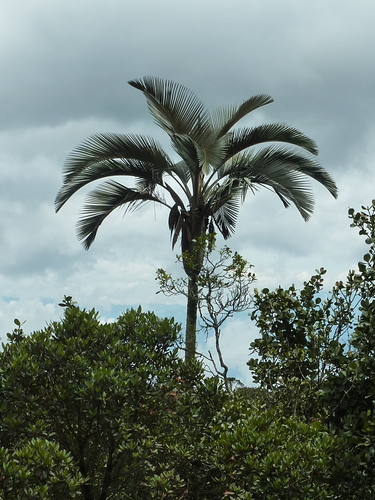
Saribus rotundifolius
(Lam.) Blume
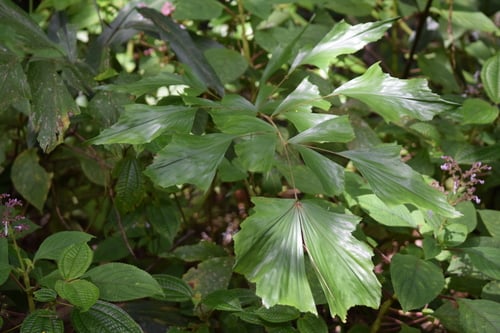
iNaturalist· cc-by-nc
(c) Maryse Neukomm, some rights reserved (CC BY-NC), uploaded by Maryse Neukomm
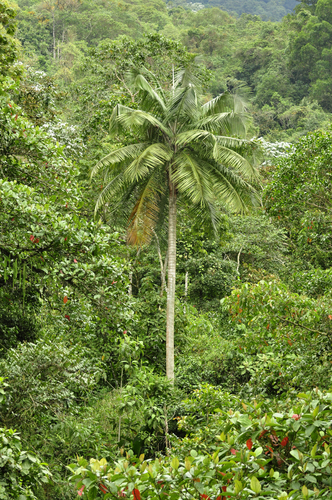
iNaturalist· cc-by-nc
(c) Minjel Mae Zaragosa, some rights reserved (CC BY-NC), uploaded by Minjel Mae Zaragosa
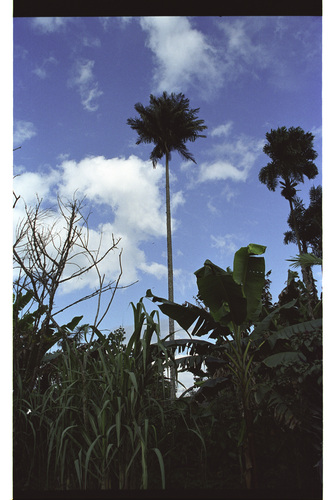
iNaturalist· cc-by-nc-sa
(c) Richard Parker, some rights reserved (CC BY-NC-SA)
Summary
Source: WikipediaSaribus rotundifolius, also known as the footstool palm, is a common fan palm found in Southeast Asia. It is a member of the genus Saribus.
Description
A palm.
This description is brief — help expand it
Edible Uses
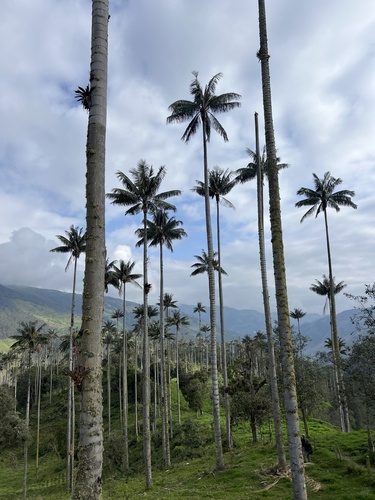
Saribus rotundifolius can be grown in humid, tropical areas. It is a common landscaping plant in the Philippines, and has been widely cultivated in Peninsular Malaysia, Singapore, Java and elsewhere, for a long time. The fruit are quite attractive. It is cultivated as an ornamental throughout Colombia. The leaves are used for the thatching of roofs and wrapping food. Overharvesting of the leaves of plants causes a reduction in leaf size. The leaves do grow faster after harvest but tend to be smaller. The foliage of the Saribus rotundifolius is the unofficial national leaf of the Philippines.
Distribution
It is a tropical plant.
Where It Grows
Asia, Philippines, SE Asia,
Cultivation
Plants can flower and produce fruit all year round.
Other Uses
The leaves are frequently used for thatching houses, being laid on much like shingles and sewed in place with strips of rattan; or separated into strips and made into shingles like those of the nipa palm. The entire leaves were formerly sewn together and made into sails for boats. A kind of raincoat, made of several leaves of this palm sewn together, is traditionally used in many parts of the Philippines; while a very broad and shallow sun-hat, popular in many provinces, consists of a frame of bamboo or rattan covered with the leaves of this plant. The leaves are also used for making fans. The trunks, which are about 20cm in diameter, are frequently used for pillars in houses, as they take a beautiful finish, and last well when not exposed to dampness. The wood is hard, takes a high polish, and is considerably utilized in the Philippines for canes or walking sticks. The outer part of the trunk (which is the hardest part of the wood) is sometimes removed in the form of strips and used for floors of houses. These strips also supply the wood used for making bows and spear shafts.
Synonyms
References (1)
- World Checklist of Useful Plant Species 2020. Royal Botanic Gardens, Kew