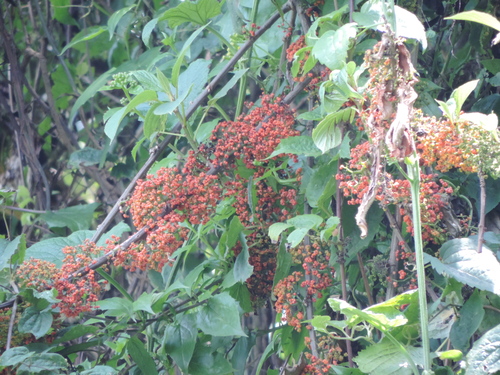
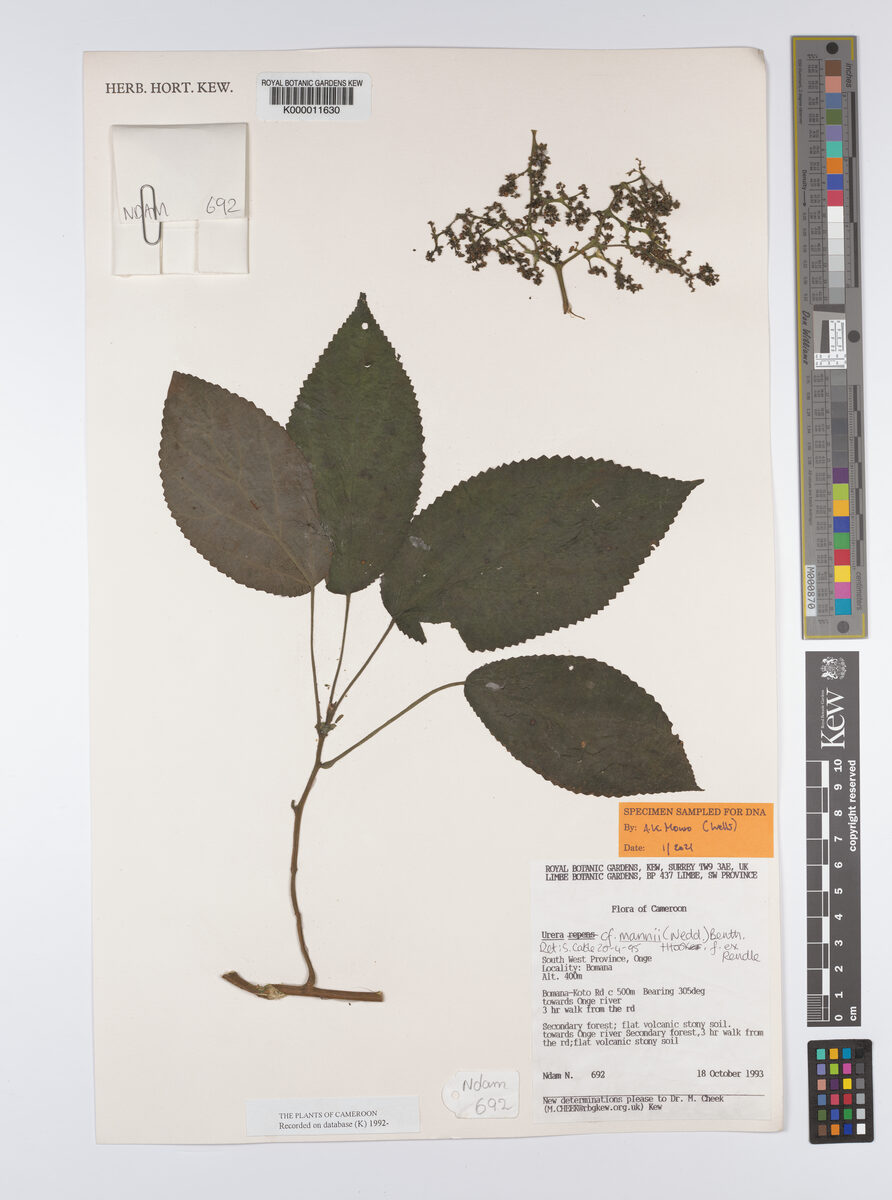
Dendrocnide stimulans
(L.f.) Chew
Malay nettle tree
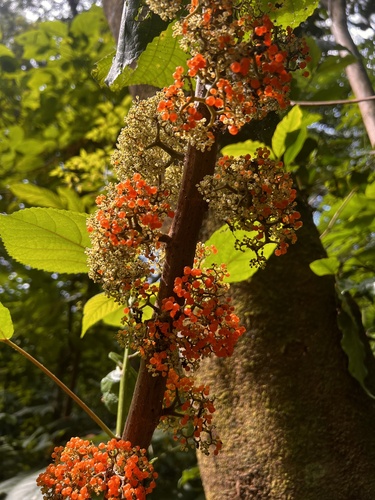
iNaturalist· cc-by-nc
(c) Yusran E. Ritonga, some rights reserved (CC BY-NC), uploaded by Yusran E. Ritonga
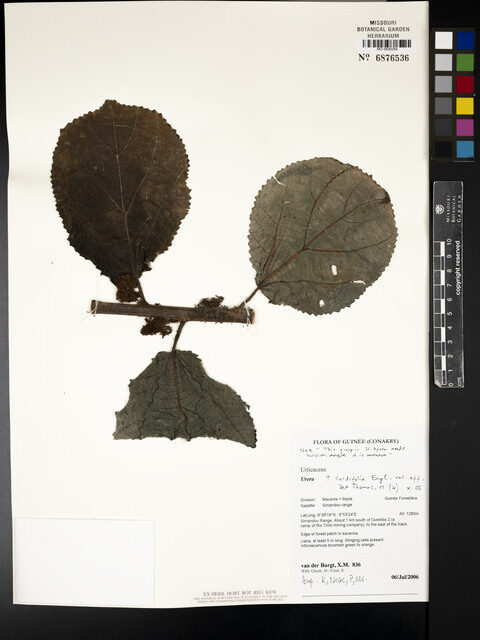
iNaturalist· cc-by-nc
(c) Wild Sumatra, some rights reserved (CC BY-NC)
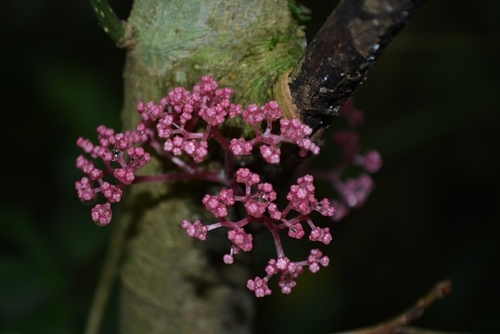
iNaturalist· cc-by-nc
(c) Ganjar Cahyadi, some rights reserved (CC BY-NC)
Description
A tropical shrub in the nettle family (Urticaceae), commonly known as the Malay nettle tree.
This description is brief — help expand it
Edible Uses
The seeds are edible.
Medicinal Uses
The sap is drunk to relieve a cough. A decoction of leaves and roots is drunk as an anthelmintic in case of a hard swollen stomach, constipation and yellow eyes. The leaves or roots are commonly used for poulticing..
Known Hazards
The plant has irritant, stinging hairs.
Distribution
It is a tropical plant.
Where It Grows
Asia, China, Indonesia, SE Asia, Thailand,
Cultivation
Plants in this genus are essentially lowland primary forest species preferring slightly moist and somewhat shady habitats. A dioecious species, both male and female forms need to be grown if fruit and seed are required.
Propagation
Seed - easy. Cuttings root easily - simply thrusting a branch into moist ground will usually result in it rooting.
Other Uses
The sap is occasionally used as a hair wash. The wood is very soft.
Synonyms
Also Known As
Jelatang ruso
References (2)
- Hariyadi, B., 2008, The Entwined Tree: Traditional Natural Resource Management of Serampas, Jambi, Indonesia. Ph. D thesis. Univ. or Hawaii. p 402 (As Laportea stimulans)
- World Checklist of Useful Plant Species 2020. Royal Botanic Gardens, Kew