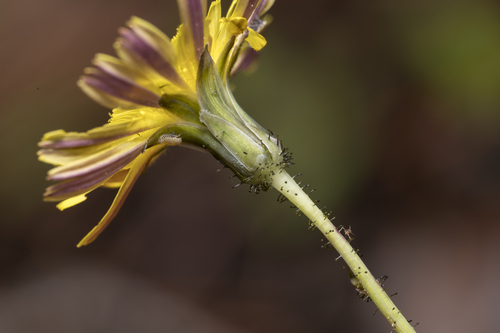
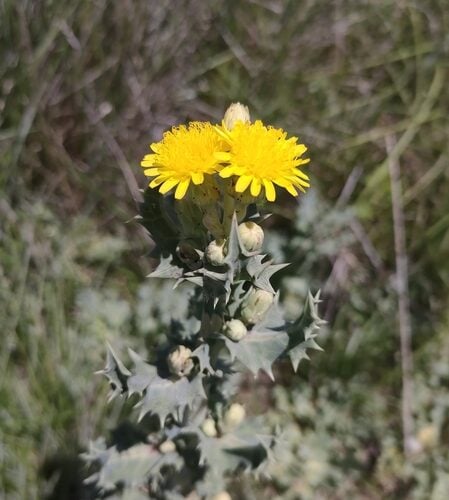
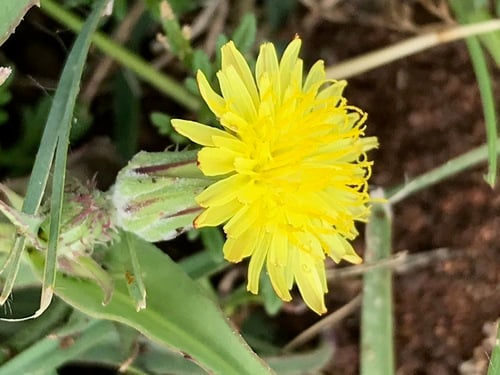
Crepis aspera
L.
iNaturalist· cc-by-nc-sa
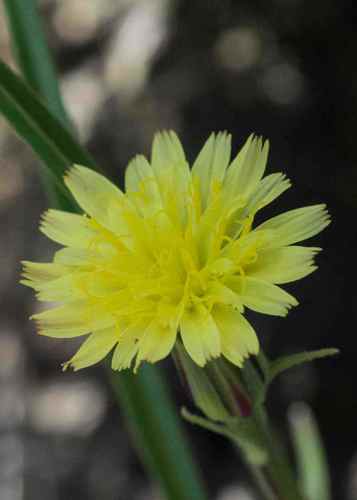
(c) יאיר אור, some rights reserved (CC BY-NC-SA)
iNaturalist· cc-by-nc
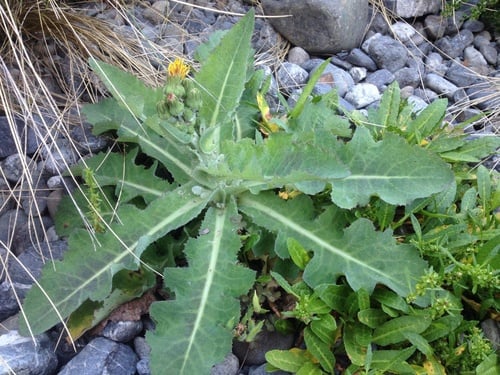
(c) Yonatan Gur, some rights reserved (CC BY-NC)
iNaturalist· cc-by-nc
(c) Yonatan Gur, some rights reserved (CC BY-NC)
Description
A herb of the Asteraceae family with edible leaves, found in Mediterranean climate regions.
This description is brief — help expand it
Edible Uses
In Crete, Greece the leaves of Crepis commutata which are called glykosyrida (γλυκοσυρίδα) are eaten raw, boiled, steamed or browned in salads. Another two species on the same island, Crepis vesicaria, called kokkinogoula (κοκκινογούλα), lekanida (λεκανίδα) or prikousa (πρικούσα) and a local variety called maryies (μαργιές) or pikrouses (πικρούσες) have both its leaves and tender shoots eaten boiled by the locals.
Distribution
It is a Mediterranean climate plant.
Where It Grows
Mediterranean,
Nutrition
| Part | Moisture | kJ | kcal | Protein | Vit A | Vit C | Iron | Zinc |
|---|---|---|---|---|---|---|---|---|
| Leaves | 88.2 | 158 | 38 | 1.6 | — | — | — | — |
References (4)
- Food Composition Tables for the Near East. http://www/fao.org/docrep No. 344
- Martin, F.W. & Ruberte, R.M., 1979, Edible Leaves of the Tropics. Antillian College Press, Mayaguez, Puerto Rico. p 184
- Sp. pl. ed. 2. 2:1132. 1763
- World Checklist of Useful Plant Species 2020. Royal Botanic Gardens, Kew