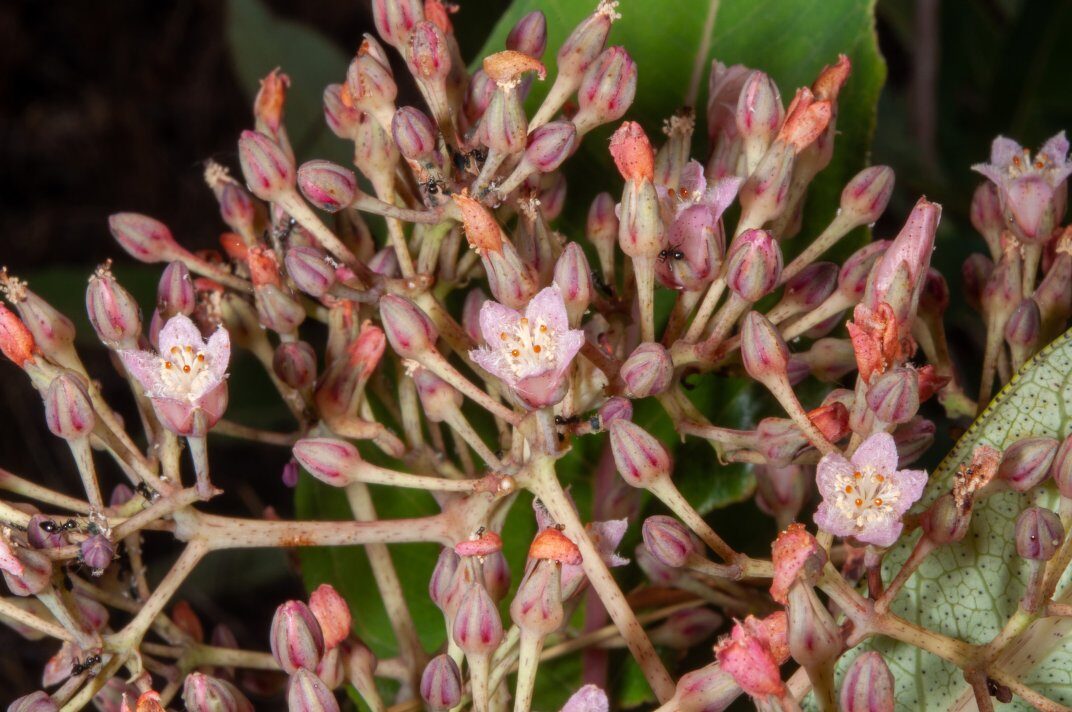
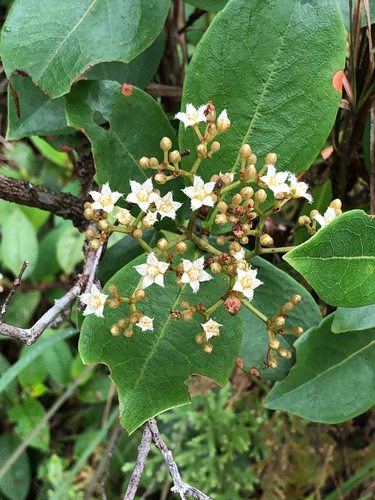
Cratoxylum formosum subsp. pruniflorum
(Kurz) Gogelein
iNaturalist· cc-by-nc-sa
(c) Cerlin Ng, some rights reserved (CC BY-NC-SA)
iNaturalist· cc-by-nc-sa
(c) Cerlin Ng, some rights reserved (CC BY-NC-SA)
iNaturalist· cc-by-nc
(c) ab_satta, some rights reserved (CC BY-NC)
Summary
Source: WikipediaCratoxylum formosum is a species of flowering plant in the family Hypericaceae. Its commercial name in timber production is "mampat". The trees reach to 35 metres (115 ft) tall, though they rarely achieve the size required for timber exploitation.
Description
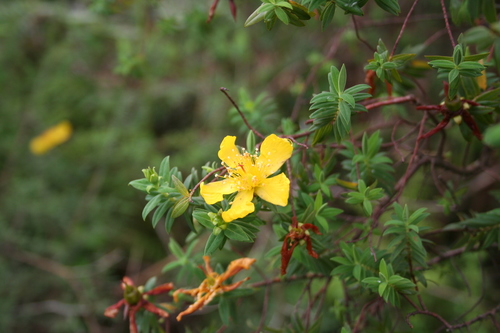
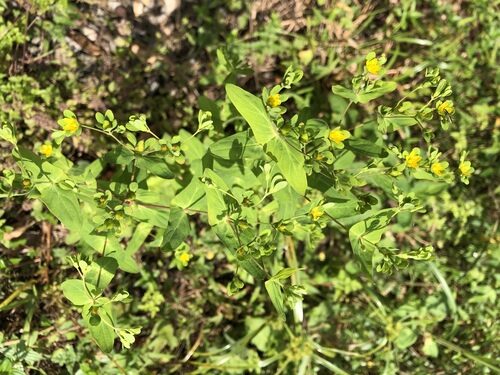
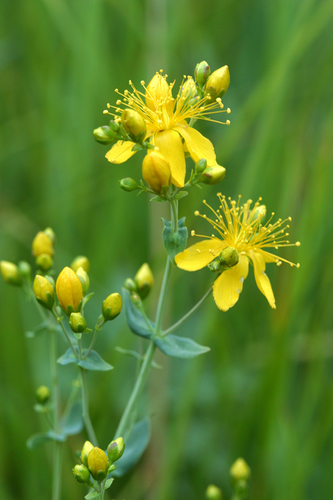
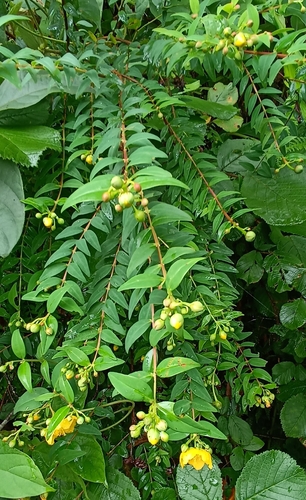
A deciduous tree. It grows 3-12 m tall. It has an open crown and slender branches. The bark is dark grey and cracked. The young leaves often have long woody spines. The leaves are 5-14 cm long by 3-5 cm wide. Young leaves are red. The leaves are bright green and have 7-12 pairs of clear veins that join in loops near the edge. The flowers are pale pink. They are in clusters of 3-5. The fruit are 1.5 cm long by 0.5 cm wide. They are dark brown and narrowly oval. They split into 3 sections each with 12-17 seeds.
Edible Uses
The sour leaves are eaten with other vegetables or used in sour soups. Young leaves are sold in local markets and can be made into tea.
Traditional Uses
The leaves are edible but sour. They are eaten with other vegetables or used in sour soups.
This uses section is brief — help expand it
Distribution
A tropical plant. It grows in sparse secondary forests, thickets in mountain regions up to 1000 m altitude in China. In Yunnan.
Where It Grows
Asia, Cambodia, China, Indochina, Indonesia, Laos, Myanmar, Philippines, SE Asia, Thailand, Vietnam,
Cultivation
Plants can be grown from seeds.
Other Information
Young leaves are sold in local markets.
Notes
Also put in the family Clusiaceae.
Synonyms
Also Known As
Do ngon, Hong ya mu, Lo-ngie ach'kon, Pohon mampat dadu, Thanh ngang dep, Tiew daeng
References (11)
- Bremness, L., 1994, Herbs. Collins Eyewitness Handbooks. Harper Collins. p 51
- Eiadthong, W., et al, 2010, Management of the Emerald Triangle Protected Forests Complex. Botanical Consultant Technical Report. p 48
- Fu, Yongneng, et al, 2003, Relocating Plants from Swidden Fallows to Gardens in Southwestern China. Economic Botany, 57(3): 389-402
- Gardner, S., et al, 2000, A Field Guide to Forest Trees of Northern Thailand, Kobfai Publishing Project. p 48
- Kachenchart, B., et al, 2008, Phenology of Edible Plants at Sakaerat Forest. In Proceedings of the FORTROP II: Tropical Forestry Change in a Changing World. Bangkok, Thailand.
Show all 11 references Hide references
- Pham-Hoang Ho, 1999, An Illustrated Flora of Vietnam. Nha Xuat Ban Tre. p 465
- Li Xi-wen & Li Jie; Peter F. Stevens, Clusiaceae [Draft], Flora of China
- Luo, B., et al, 2019, Wild edible plants collected by Hani from terraced rice paddy agroecosystem in Honghe Prefecture, Yunnan, China. Journal of Ethnobiology and Ethnomedicine 15:56
- Suksri, S., et al, 2005, Ethnobotany in Bung Khong Long Non-Hunting Area, Northeast Thailand. Kasetsart J., (Nat. Sci) 39: 519-533
- Sukarya, D. G., (Ed.) 2013, 3,500 Plant Species of the Botanic Gardens of Indonesia. LIPI p 213
- Tanaka, Y. & Van Ke, N., 2007, Edible Wild Plants of Vietnam: The bountiful garden. Orchid books. p 64