Anagyris foetida
L.
Bean clover
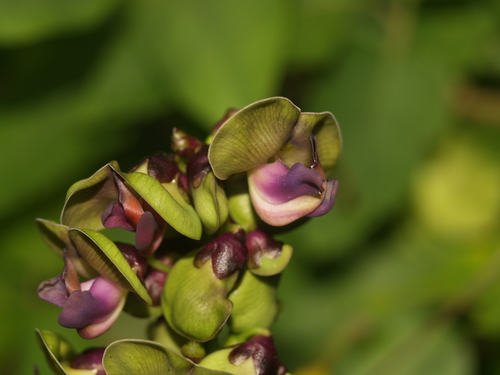
iNaturalist· cc-by-nc
(c) Yael Orgad, some rights reserved (CC BY-NC), uploaded by Yael Orgad
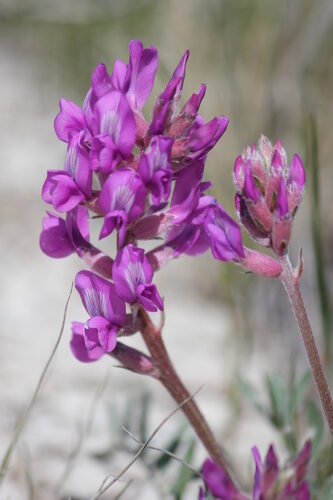
iNaturalist· cc-by-nc
(c) Sotirios Liakas, some rights reserved (CC BY-NC), uploaded by Sotirios Liakas
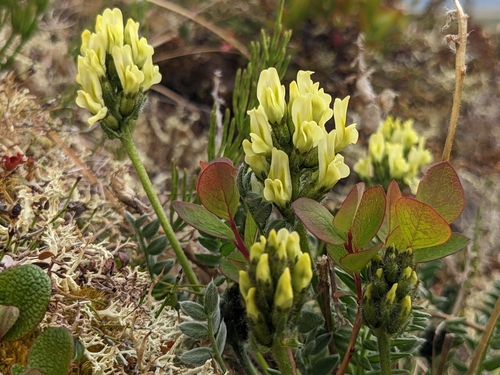
iNaturalist· cc-by-nc
(c) Ron Frumkin, some rights reserved (CC BY-NC), uploaded by Ron Frumkin
Summary
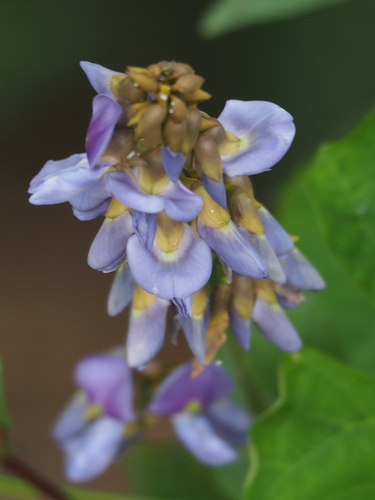
Source: WikipediaAnagyris foetida (English common name stinking bean trefoil), is a species of flowering plant in the family Fabaceae, forming a malodorous, Summer-deciduous shrub or small tree 2–4 m in height with green twigs bearing grey-green trifoliate leaves clad beneath in silvery hairs. The red-tinged, yellow, Laburnum-like flowers are borne on the previous season's growth and are pollinated mainly by birds and bees - notably the buff-tailed bumblebee.The large spot of red pigmentation on the flowers is located on the exterior of the standard, the interior of which bears, in turn, many small, deep red spots.
Description
A Mediterranean shrub in the bean family, growing 1.5 m tall with broad compound leaves.
This description is brief — help expand it
Edible Uses
The flower nectar is edible.
Medicinal Uses
The blossom smells strongly of cabbage, and all parts of the plant were used medicinally, particularly in cases surrounding childbirth problems. The first to write an account of the folk medicinal properties of A. foetida was Ancient Greek herbalist and physician Pedanius Dioscorides in his monumental work De materia medica. He lists the names onaguris, anaguris, anagyros, acopon, and agnacopum for the shrub and records distinct uses for the leaves, root and seeds. Concerning the leaves, he recommends a poultice of the young foliage to treat oedema and an infusion of a small quantity of the leaves in raisin wine to treat asthma, headache and delayed menstruation. He further records two uses of the leaves suggesting uterine stimulant properties: an aid to placental expulsion and an abortifacient. Of the root, he writes that it "dissolves and ripens" (presumably in reference to tumours and boils, although this is not specifically stated). His statement "It is hung as an amulet on those who have hard labour, yet one must at once (after the woman's delivery) take off the amulet and put it away" presumably also refers to the root, although it is possible that other plant parts are also intended (contact between plant parts and bare skin could conceivably lead to some degree of absorption of active constituents). Concerning the seeds, he says only that their consumption causes excessive vomiting. Eminent French botanist Professor Canon Paul-Victor Fournier (1877-1964) devotes two pages of his three-volume work on the medicinal and poisonous plants of France (published in 1947) to the uses and toxicity of the plant. The seeds of the plant were formerly employed as an emetic (which Renaissance doctor and botanist Matthiolus observed was so violent in its action that it could cause internal bleeding), while an infusion of the leaves was used as a purgative, but neither use should be considered safe, given the extreme toxicity of the species.
Known Hazards
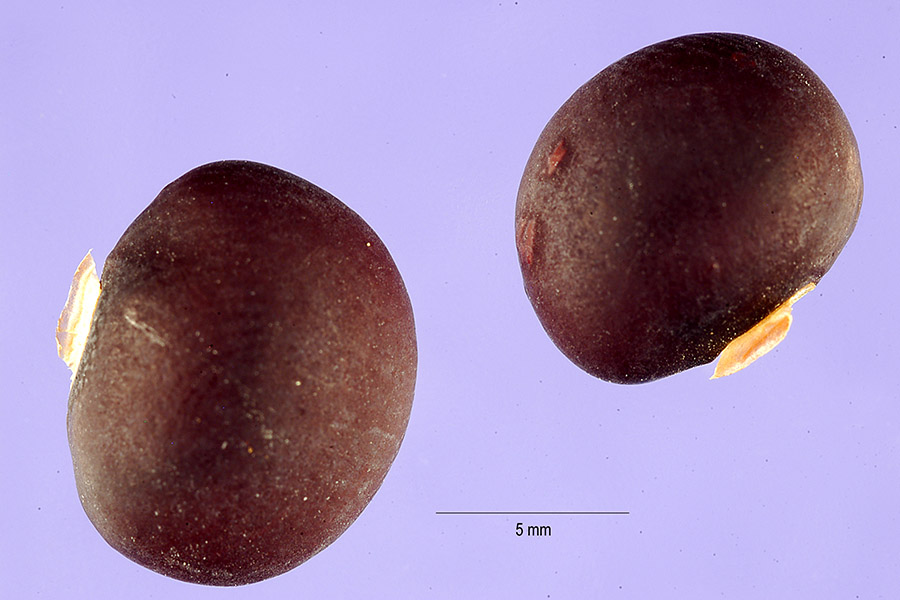
The alkaloid anagyrine, present in the seeds, causes, in warm-blooded animals, first slowing of the breathing and heartbeat and ultimately cessation of respiration and cardiac arrest. The shrub should not be grown in areas where children play because they may be tempted by the bean-like appearance of the seed pods to nibble the attractive seeds, with potentially fatal consequences (- the most dangerous poisonous plants are those combining high toxicity with fruits resembling those of edible species). As canon Fournier points out, stock generally avoid browsing upon the plant because of its unpleasant smell and taste, this being fortunate for humans, for, on the rare occasions when ewes have been forced, by hunger and the unavailability of other fodder, to consume the plant in quantity, their milk has become not merely tainted, but poisonous. Persons who have eaten cheese prepared from such milk have suffered violent vomiting, and, on occasion, (unspecified) symptoms of an even more severe nature. Trotter mentions, in passing (and without further elaboration), a case of accidental poisoning by the plant recorded in a work of Vesque's: a group of hungry soldiers, foraging for edible wild plants while stationed in Algeria, mistook the seeds of A. foetida for beans, with grave consequences.
Distribution
It is a Mediterranean climate plant. In Australia it occurs in South Australia,
Where It Grows
Albania, Australia, Balkans, Cyprus, Egypt, Europe, France, Greece, Iran, Iraq, Israel, Italy, Lebanon, Libya, Mediterranean, Middle East, Morocco, Palestine, Portugal, Saudi Arabia, Sicily, Sinai, Spain, Syria, Tunisia, Turkey, Türkiye, Yemen, Yugoslavia,
Synonyms
Also Known As
Mediterranean stinkbush, Bean trefoil
References (1)
- Licata, M., et al, 2016, A survey of wild plant species for food use in Sicily (Italy) – results of a 3-year study in four Regional Parks. Journal of Ethnobiology and Ethnomedicine 12:12