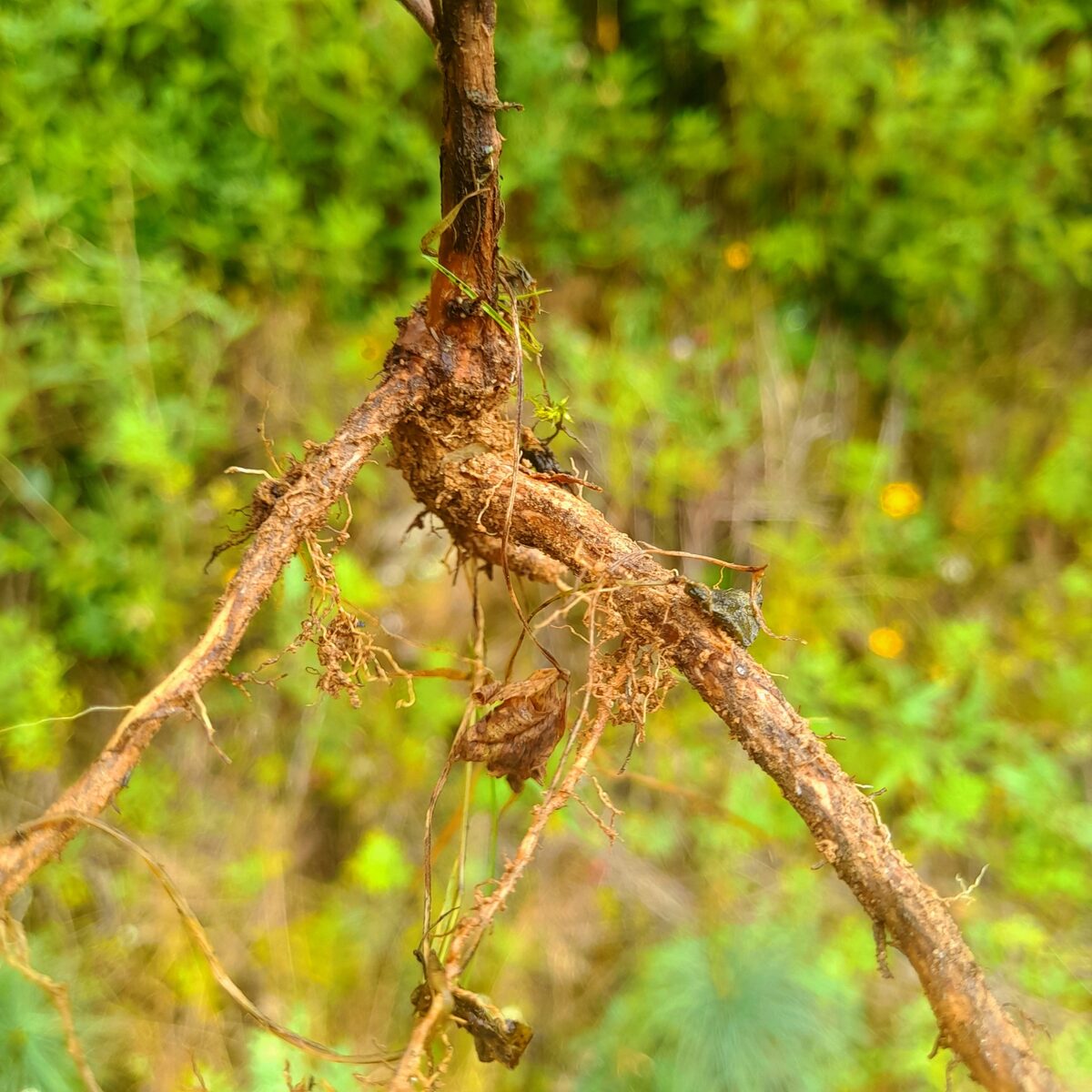
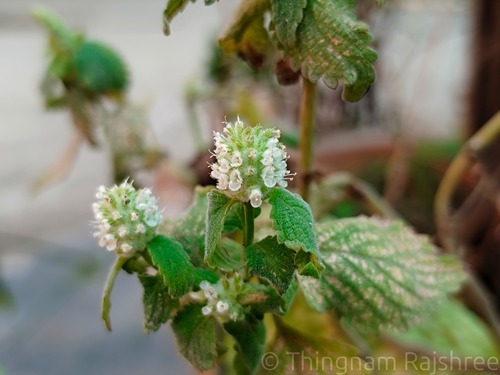
Clerodendrum phlomidis
L.f.
Arni
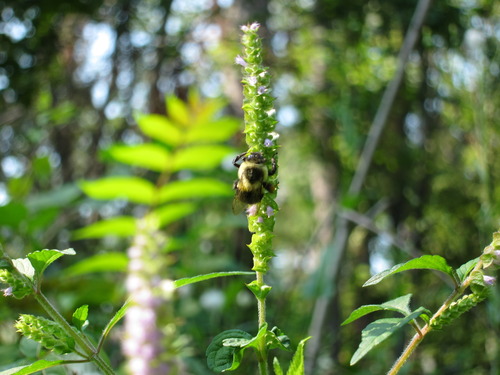
iNaturalist· cc-by-nc
(c) SONU KUMAR, some rights reserved (CC BY-NC), uploaded by SONU KUMAR
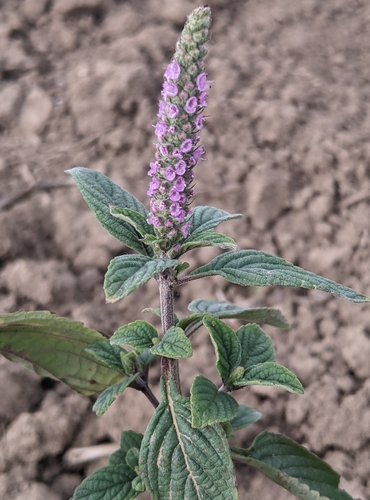
iNaturalist· cc-by
(c) Aravinth, some rights reserved (CC BY), uploaded by Aravinth
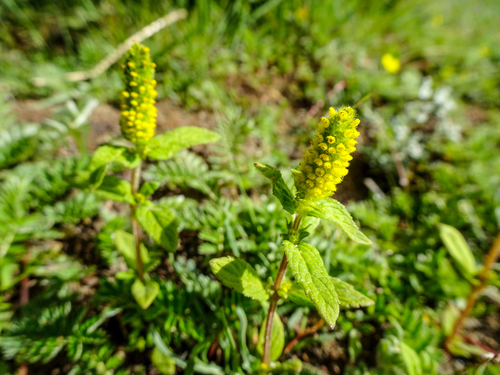
iNaturalist· cc-by
(c) Aravinth, some rights reserved (CC BY), uploaded by Aravinth
Summary
Source: WikipediaClerodendrum phlomidis is a species of flowering plant in the family Lamiaceae. The plant has been used in Ayurvedic medicine, and some Ayurvedic sources refer to it by the synonym Clerodendrum multiflorum. Clerodendrum phlomidis is a large shrub native to the Indian subcontinent and Myanmar. Clerodendrum myricoides from the same family is found in Africa and India.
Description
A small herb or shrub. The leaves are opposite and oval. They are hairy underneath and have wavy edges. The flowers are in small round groups at the ends of branches. The flowers are white or pink. They have a strong scent.
Edible Uses
The leaves are finely ground and used as a spice with rice.
Traditional Uses
The leaves are finely ground and use as a spice with rice.
This uses section is brief — help expand it
Medicinal Uses
The plant is used in traditional medicine.
Distribution
It is a tropical plant. It grows in arid places.
Where It Grows
Asia, India, Myanmar, SE Asia, Sri Lanka,
Cultivation
Species in this genus generally grow best in full sun or partial shade in a moist but well-drained soil.
Propagation
Seed - Softwood cuttings Cuttings of half-ripe wood Root cuttings Division of suckers
Other Uses
The plant responds well to trimming and can be grown as a hedge.
Notes
Also put in the family Verbenaceae. It is used in medicine.
Synonyms
Also Known As
Tapa-say, Thazhuthali, Thazhuthazhai
References (1)
- Tamil herbs, 2007, Edible Plants of the Tropical Dry Evergreen Forest. (As Clerondendrum phlomides)