Clerodendrum lindleyi
Decne ex Planch.
iNaturalist· cc-by-nc
(c) MP Zhou, some rights reserved (CC BY-NC), uploaded by MP Zhou
iNaturalist· cc-by-nc
(c) jianglei, some rights reserved (CC BY-NC)
Description
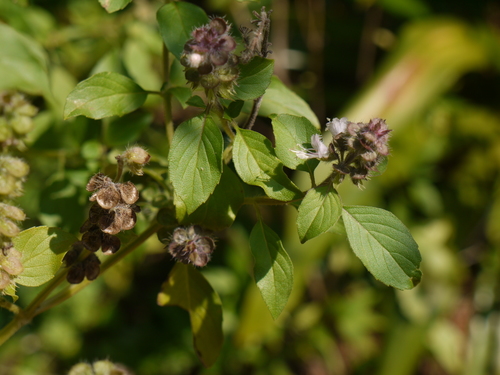
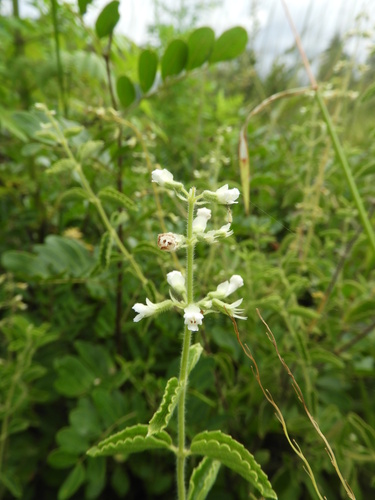
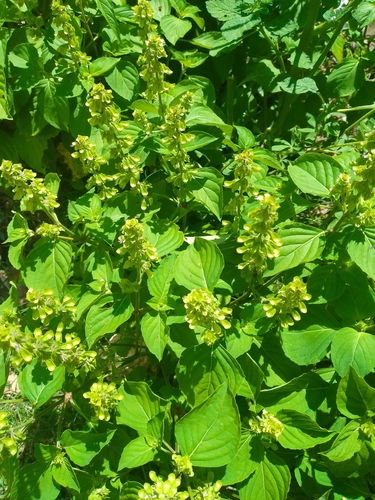
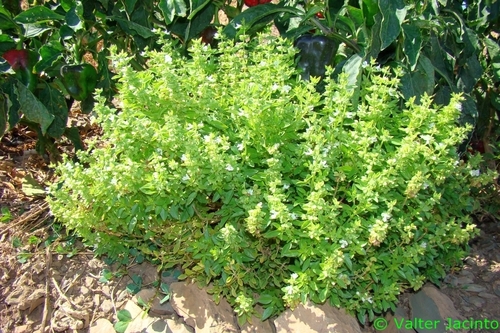
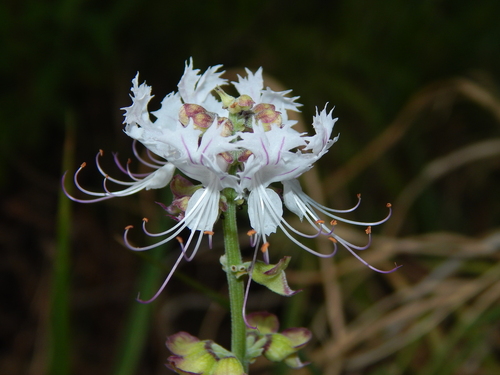
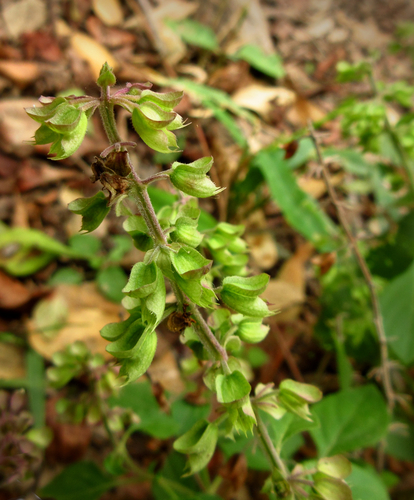
A shrub. It grows 1-3 m tall. The young branches are hairy and almost 4 angled. The leaves are broadly oval and 7-13 cm long by 6-10 cm wide. The flowers are at the top of the plant. They are pink or purple. The fruit are fleshy ad blue-black. They are 5-7 mm across.
Edible Uses
The leaves are used for tea, and both the fruit and flowers are eaten.
Medicinal Uses
The plant is used medicinally.
Distribution
It is a tropical plant. It grows in mixed forests on mountain slopes between 1,200-2,800 m above sea level. In Sichuan and Yunnan.
Where It Grows
Asia, China,
Cultivation
Species in this genus generally grow best in full sun or partial shade in a moist but well-drained soil.
Propagation
Seed - Softwood cuttings Cuttings of half-ripe wood Root cuttings Division of suckers
Synonyms
References (2)
- Liu, Yi-tao, & Long, Chun-Lin, 2002, Studies on Edible Flowers Consumed by Ethnic Groups in Yunnan. Acta Botanica Yunnanica. 24(1):41-56
- Reis, S. V. and Lipp, F. L., 1982, New Plant Sources for Drugs and Foods from the New York Botanical Garden herbarium. Harvard. p 251