Crataegus schraderiana
Ledeb.
Greek hawthorn
gbif· cc-by
Meise Botanic Garden
gbif· cc-by
Royal Botanic Gardens, Kew
gbif· cc-by
Herbarium of the University of Coimbra (COI)
Description
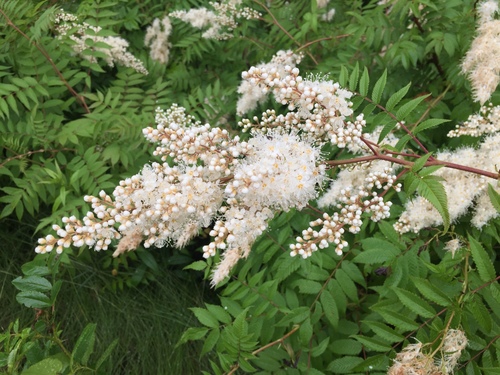
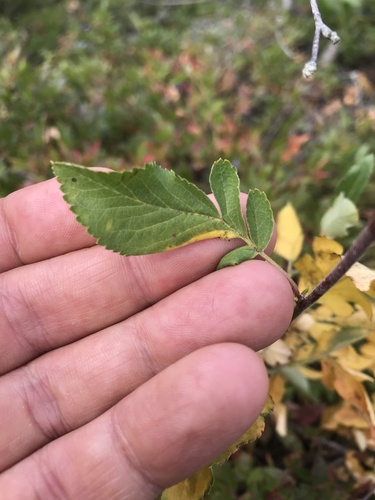
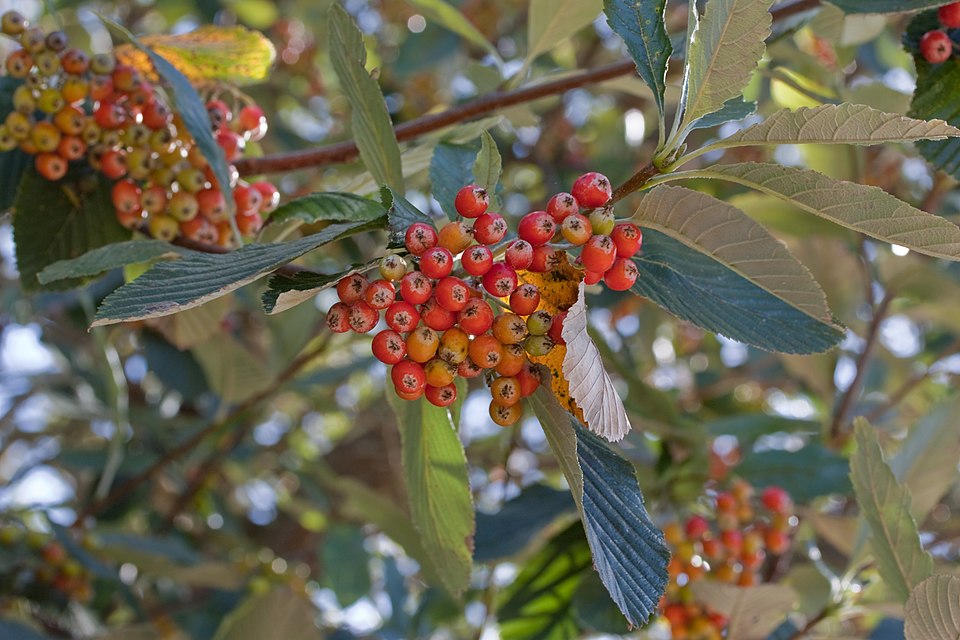
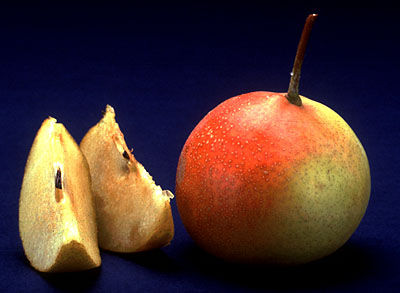
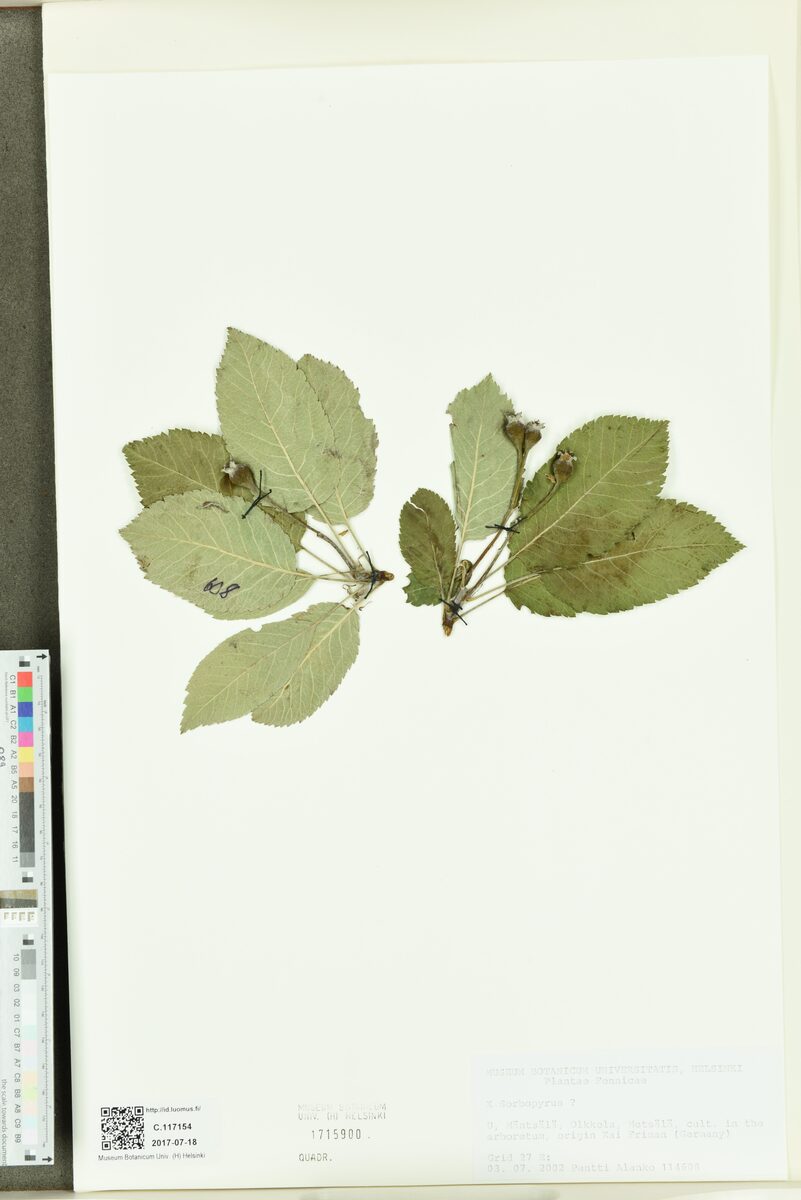
A deciduous tree. The crown is rounded. It grows 6 m tall. The leaves are 5 cm long. There are 5-9 deep lobes. The leaves are dark green but covered with fine grey hairs. The flowers are in long stalks of about 12 flowers. They are 12 mm wide. The fruit are 12 mm across.
Edible Uses
The fruit are eaten fresh.
Traditional Uses
The fruit are eaten.
This uses section is brief — help expand it
Distribution
Temperate. It is cold hardy. It can grow in a range of soil types and with a range of pH values. It can tolerate very wet soils as well as drought. It suits hardiness zones 6-9.
Where It Grows
Australia, Europe, Greece*, Mediterranean,
Cultivation
Plants can be grown from seed. The seed need cold treatment. Plants can also be grafted.
Production
Trees fruit regularly. Fruit can be stored on the tree for several weeks.
Notes
There are 200 or more Crataegus species.
References (6)
- Cundall, P., (ed.), 2004, Gardening Australia: flora: the gardener's bible. ABC Books. p 433
- Etherington, K., & Imwold, D., (Eds), 2001, Botanica's Trees & Shrubs. The illustrated A-Z of over 8500 trees and shrubs. Random House, Australia. p 241
- Fl. ross. 2:91. 1843 Sep
- Lyle, S., 2006, Discovering fruit and nuts. Land Links. p 161
- Plants for a Future database, The Field, Penpol, Lostwithiel, Cornwall, PL22 0NG, UK. http://www.scs.leeds.ac.uk/pfaf/
Show all 6 references Hide references
- Sfikas, G., 1984, Trees and shrubs of Greece. Efstathiadis Group. Athens. p 76