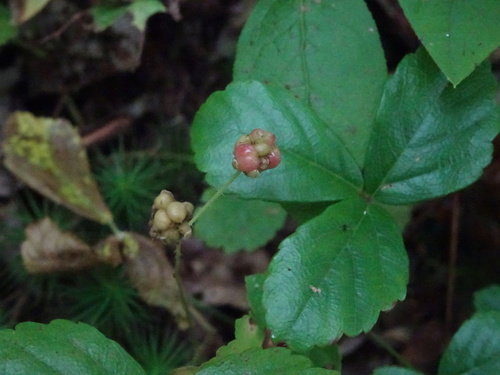
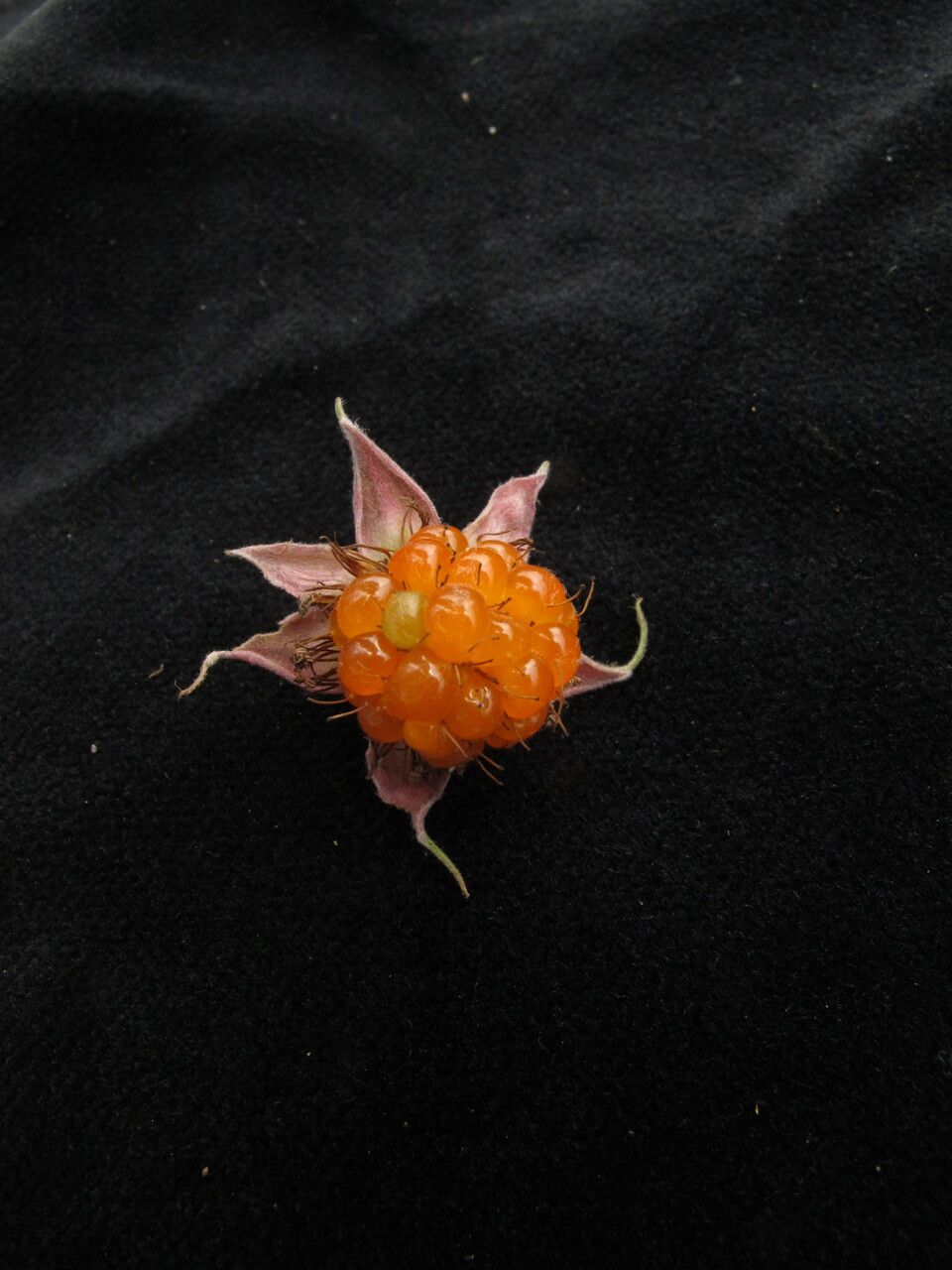
Crataegus sanguinea
Pall.
Nilchagai dolon, Blood-red hawthorn
iNaturalist· cc-by-nc
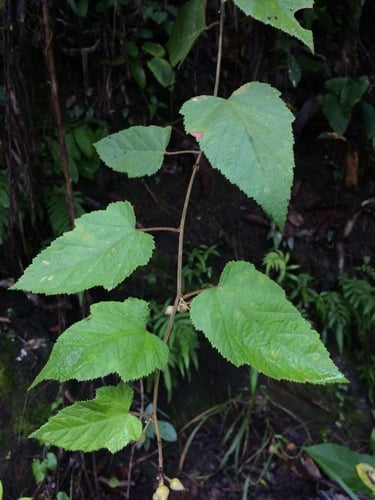
(c) Богинский Евгений Иванович, some rights reserved (CC BY-NC), uploaded by Богинский Евгений Иванович
iNaturalist· cc-by-nc
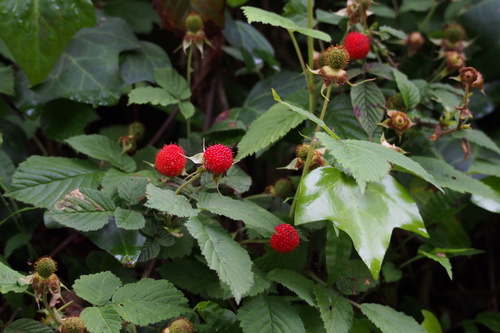
(c) Yelena, some rights reserved (CC BY-NC)
iNaturalist· cc-by-nc
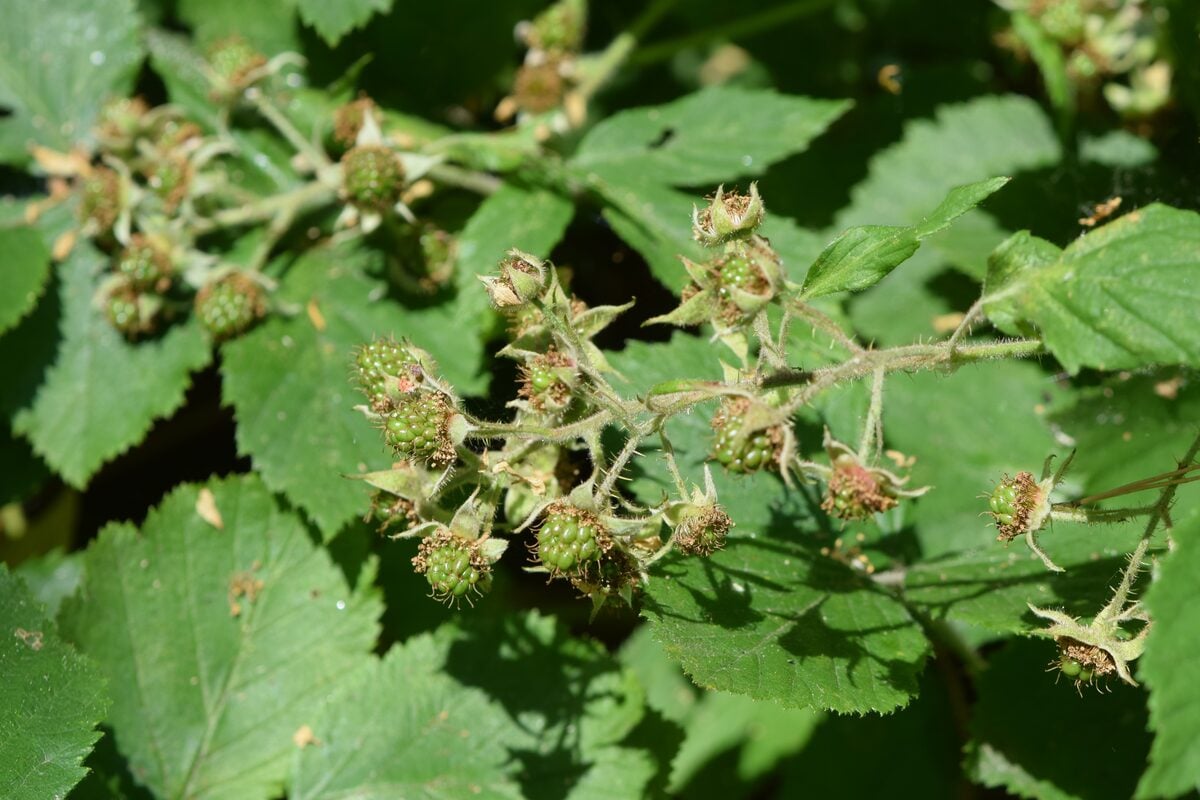
(c) heeeennryyyyyyyyyy, some rights reserved (CC BY-NC)
Summary
Source: WikipediaCrataegus sanguinea (common names redhaw hawthorn or Siberian hawthorn) is a species of hawthorn that is native to southern Siberia, Mongolia, and the extreme north of China. It is cultivated for its edible red berry-like fruit which actually is a pome. The fruit can be eaten raw or cooked. They can be used to make jam, jelly, and fruit preserves. They are also grown in gardens as ornamental plants. The flowers are small, white in color, and occur in clusters. The flowers give off a carrion smell. The world's largest living individual of this species can be found in Volunteer Park, Seattle, Washington.
Description
A thorny shrub. It grows 1-4 m tall. The trunk is 10 cm across. The branches are purple-brown and shiny. It has thorn up to 3 cm long and these are straight, red and thick. The leaves are slightly dull and have a few hairs. They are 7-9 lobes. The leaves are 3-7 cm long by 2-5 cm wide. They are wedge shaped at the base and have teeth around the edges. The flowers are in groups on short spurs. The fruit are round and 8-10 mm across. They are orange or red. There are 3-4 seeds. The fruit are edible.
Edible Uses
The fruit can be eaten raw or cooked and is about 1cm in diameter. It works well in pies and preserves, and can also be dried for later use. The centre holds up to five fairly large seeds that tend to stick together, giving the impression of eating a cherry-like fruit with a single stone.
Medicinal Uses
No specific research has been recorded for this species, but the fruits and flowers of hawthorns in general are well established in herbal folk medicine as a heart tonic — a use that modern research has supported. Both fruits and flowers have a hypotensive effect and act as a mild, direct heart tonic. They are particularly indicated for a weak heart combined with high blood pressure. Prolonged use is needed for the treatment to be effective. It is typically taken as a tea or tincture.
Distribution
Temperate. In Kazakhstan it grows in forest and on steppes. In northern China it grows in forests by rivers between 900-3,000 m above sea level.
Where It Grows
Asia, Central Asia, China, Europe, Germany, Kazakhstan, Kyrgyzstan, Mongolia, Russia, Siberia,
Cultivation
A very easily grown plant, it prefers a well-drained moisture retentive loamy soil but is not at all fussy. Once established, it succeeds in excessively moist soils and also tolerates drought. It grows well on a chalk soil and also in heavy clay soils. A position in full sun is best when plants are being grown for their fruit, they also succeed in semi-shade though fruit yields and quality will be lower in such a position. Most members of this genus succeed in exposed positions, they also tolerate atmospheric pollution. Hybridizes freely with other members of this genus. Seedling trees take from 5 - 8 years before they start bearing fruit, though grafted trees will often flower heavily in their third year. The flowers have a foetid smell somewhat like decaying fish. This attracts midges which are the main means of fertilization. When freshly open, the flowers have more pleasant scent with balsamic undertones. Seedlings should not be left in a seedbed for more than 2 years without being transplanted.
Propagation
Sow seed as soon as it is ripe in autumn in a cold frame. Some seed will germinate the following spring, but most will likely take another year. Stored seed can be very slow and erratic — warm stratify for 3 months at 15°c, then cold stratify for 3 months at 4°c, and even then germination may take a further 18 months. Scarifying before stratifying may reduce this time, and fermenting the seed for a few days in its own pulp may also help. Alternatively, harvest seed green (once the embryo is fully developed but before the seedcoat hardens) and sow immediately in a cold frame; if timed well, germination can occur in spring. For small quantities, pot seedlings as soon as they are large enough to handle and grow on in individual pots for the first year, planting out in late spring into nursery beds or final positions. For larger quantities, sow directly into an outdoor seedbed with protection from mice and other seed-eating animals, undercutting the roots if plants are to remain in the seedbed for more than two years.
Other Uses
This plant is very tolerant of trimming and can be cut back hard into old wood, resprouting readily, which makes it well suited for use as a hedge. The wood is heavy, hard, tough, and close-grained, making it useful for tool handles, mallets, and other small items. The plant is also noted for its scent.
Production
In northern China plants flower in May and June and fruit in July to August.
Notes
There are 200 or more Crataegus species.
References (12)
- Aipeisova S.A., et al, 2019, Wild useful herbs of Aktobe Region (Western Kazakhstan). Ukrainian Journal of Ecology, 9(3), 329-331
- Country Report on the State of Plant Genetic Resources for Food and Agriculture in the Kazakhstan Republic. 2007, FAO
- Dzhangaliev, A. D., et al, 2003, The Wild Fruit and Nut Plants of Kazakhstan, Horticultural Reviews, Vol. 29. pp 305-371
- Fl. ross. 1:25, t. 11. 1784
- Flora of China. www.eFloras.org Volume 9
Show all 12 references Hide references
- Hedrick, U.P., 1919, (Ed.), Sturtevant's edible plants of the world. p 226
- https://en.wikipedia.org/wiki/List of wild edible plants in Mongolian cuisine
- Hu, Shiu-ying, 2005, Food Plants of China. The Chinese University Press. p 431
- Khasbagan, Hu-Yin Huai, and Sheng-Ji pei, 2000, Wild Plants in the Diet of Athorchin Mongol Herdsmen in Inner Mongolia. Economic Botany 54(4): 528-536
- Plants for a Future database, The Field, Penpol, Lostwithiel, Cornwall, PL22 0NG, UK. http://www.scs.leeds.ac.uk/pfaf/
- Shikov, A. N. et al, 2017, Traditional and Current Food Use of Wild Plants Listed in the Russian Pharmacopoeia. Frontiers in Pharmacology. Vol. 8 Article 841
- Urgamal, M., Oyuntsetseg, B., Nyambayar, D. & Dulamsuren, Ch. 2014. Conspectus of the vascular plants of Mongolia. (Editors: Sanchir, Ch. & Jamsran, Ts.). Ulaanbaatar, Mongolia. “Admon“ Press. 334pp. (p. 143-158).