Potentilla reptans
L.
Creeping cinquefoil
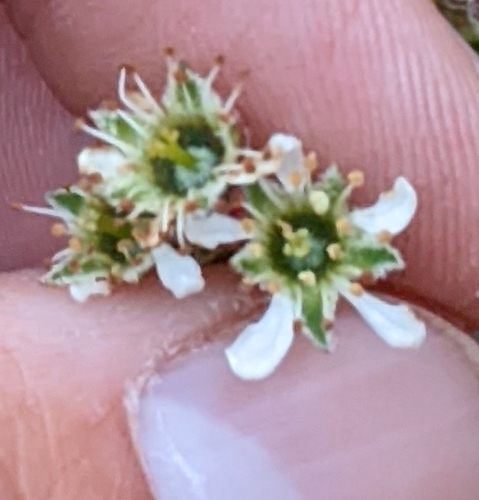
iNaturalist· cc-by-nc
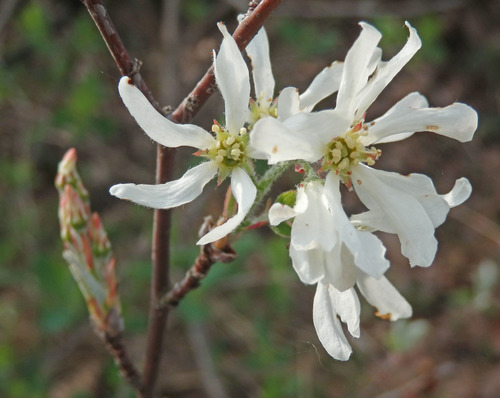
(c) Wolfgang Bacher, some rights reserved (CC BY-NC), uploaded by Wolfgang Bacher
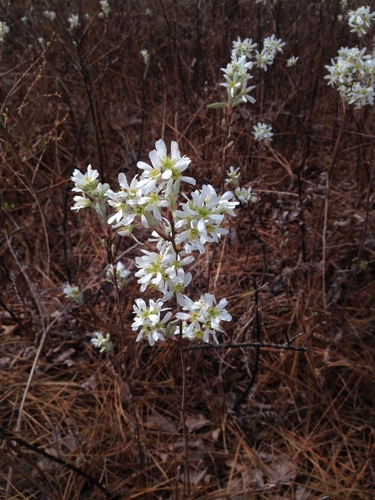
iNaturalist· cc-by-sa
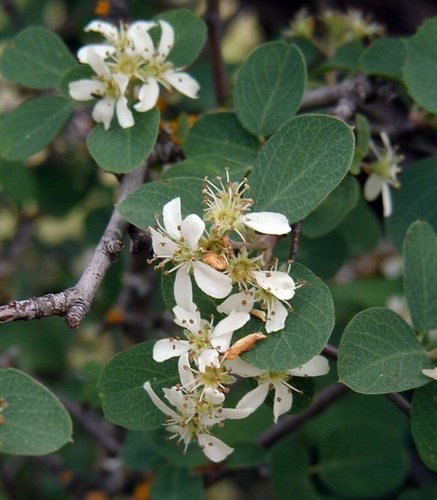
(c) Enrico Blasutto, some rights reserved (CC BY-SA)
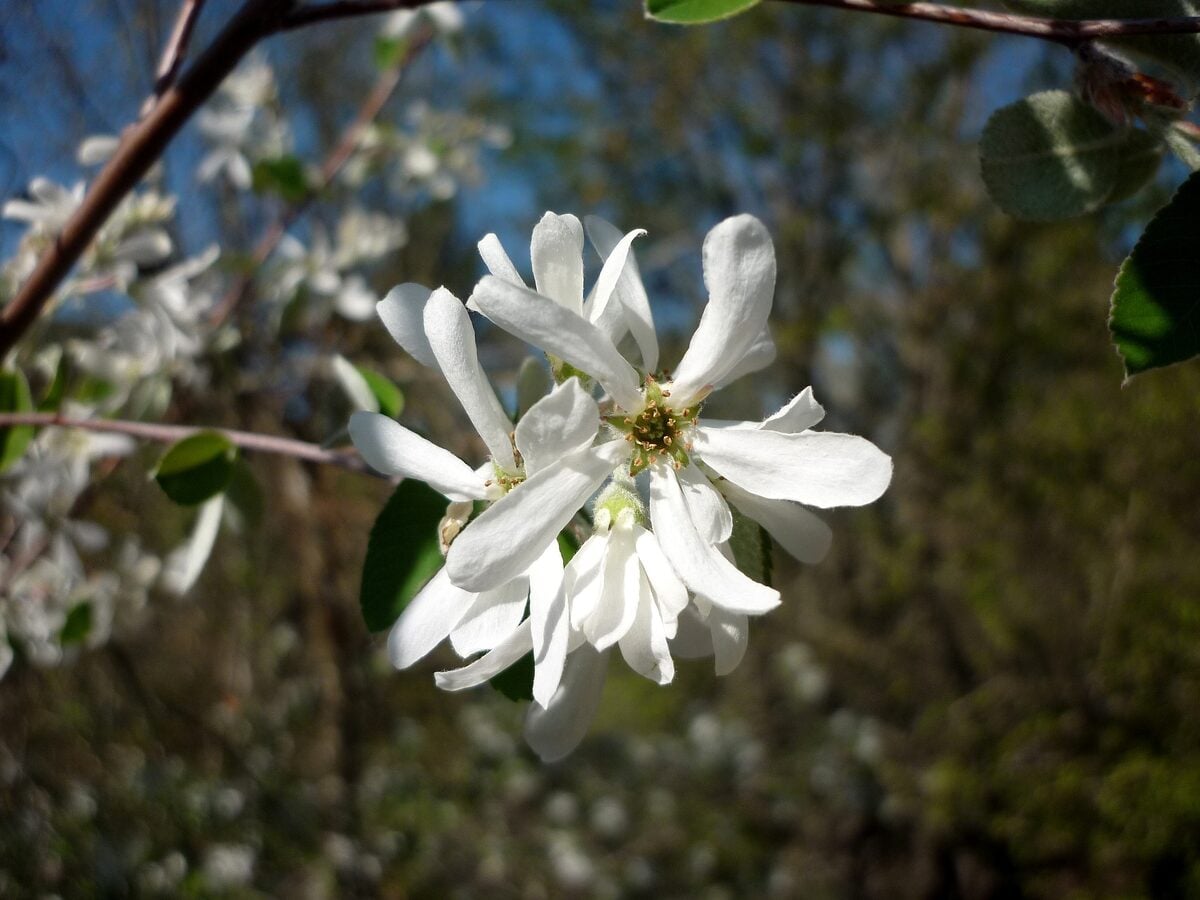
iNaturalist· cc-by-nc
(c) janexmoor, some rights reserved (CC BY-NC), uploaded by janexmoor
Summary
Source: WikipediaPotentilla reptans, known as the creeping cinquefoil, European cinquefoil or creeping tormentil, is a flowering plant in the family Rosaceae.
Description
A creeping herb. It keeps growing from year to year. The roots are much branched. They have tuberous roots. There are stolons or runners 20-100 cm long. These root at the nodes. The leaves near the roots have 5 divisions at the end of the leaves.
Edible Uses
Young leaves can be eaten raw and make a useful addition to salads.
Medicinal Uses
Both the roots and the herb are antispasmodic, astringent and febrifuge. An infusion of the dried herb is used to treat diarrhoea and as a gargle for sore throats, and can also be applied externally as an astringent lotion. A concentrated decoction of the root is used to relieve toothache.
Distribution
It is a temperate plant. In China it grows on meadows and mountain slopes between 300-3500 m altitude. It grows in wetlands. In Sichuan and Yunnan.
Where It Grows
Africa, Asia, Australia, Balkans, Bosnia, Britain, Central Asia, China, Europe, Greece, India, Iraq, Kyrgyzstan, Luxembourg, Mediterranean, Middle East, North Africa, Russia, Siberia, Slovenia, Spain, Tajikistan, Tasmania, Turkey, Türkiye,
Cultivation
Easily grown in a well-drained loam, preferring a dry position in full sun but tolerating shade. Prefers an alkaline soil but tolerates a slightly acid soil. The plant spreads vigorously by means of runners and can be invasive with new runners up to 1.5 metres long being produced each year. Members of this genus are rarely if ever troubled by browsing deer. The flowers are partially closed in dull weather and close completely of a night time. When closing, self-fertilisation is affected because the anthers are caused to touch the stigmas.
Propagation
Sow seed in early spring or autumn in a cold frame. Once large enough to handle, prick seedlings into individual pots and grow on in a greenhouse through their first winter, then plant out in late spring or early summer after the last expected frosts. For division, spring or autumn are both suitable. Larger divisions can go directly into permanent positions, while smaller ones are better potted up and grown on in light shade in a cold frame until well established before planting out in late spring or early summer.
Other Uses
The plant is an ingredient in many anti-wrinkle cosmetic preparations for the skin.
Notes
There are about 500 Potentilla species. It is used in medicine.
Also Known As
Plazeči petoprstnik, Pu fu wei ling cai
References (9)
- Ambasta, S.P. (Ed.), 2000, The Useful Plants of India. CSIR India. p 487
- Bremness, L., 1994, Herbs. Collins Eyewitness Handbooks. Harper Collins. p 206
- Flora of China @ efloras.org Volume 9
- Hibbert, M., 2002, The Aussie Plant Finder 2002, Florilegium. p 239
- http://www.botanic-gardens-ljubljana.com/en/plants
Show all 9 references Hide references
- Plants for a Future database, The Field, Penpol, Lostwithiel, Cornwall, PL22 0NG, UK. http://www.scs.leeds.ac.uk/pfaf/
- Redzic, S., 2010, Use of Wild and Semi-Wild Edible Plants in Nutrition and Survival of People in 1430 Days of Siege of Sarajevo during the War in Bosnia and Herzegovina (1992–1995). Coll. Antropol 34 (2010) 2:551-570
- Tasmanian Herbarium Vascular Plants list p 51
- Zhang, Y., et al, 2014, Diversity of wetland plants used traditionally in China: a literature review. Journal of Ethnobiology and Ethnomedicine. 10:72