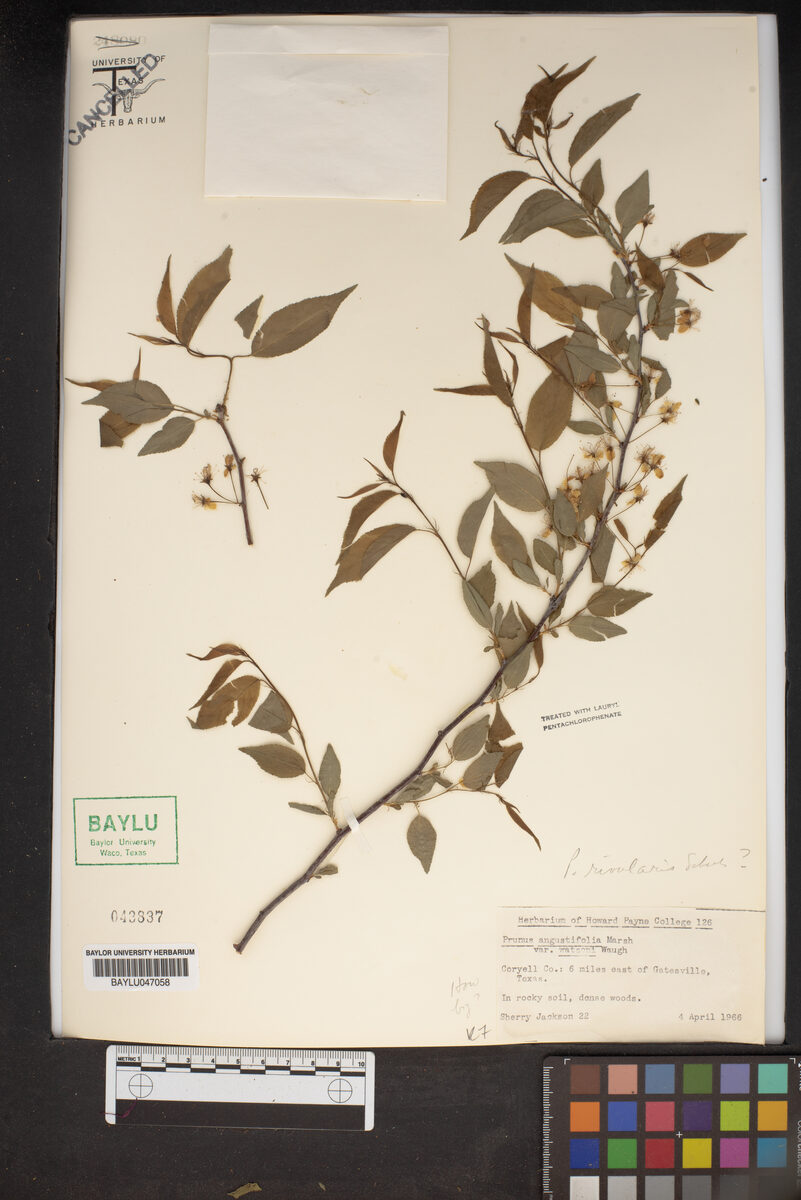
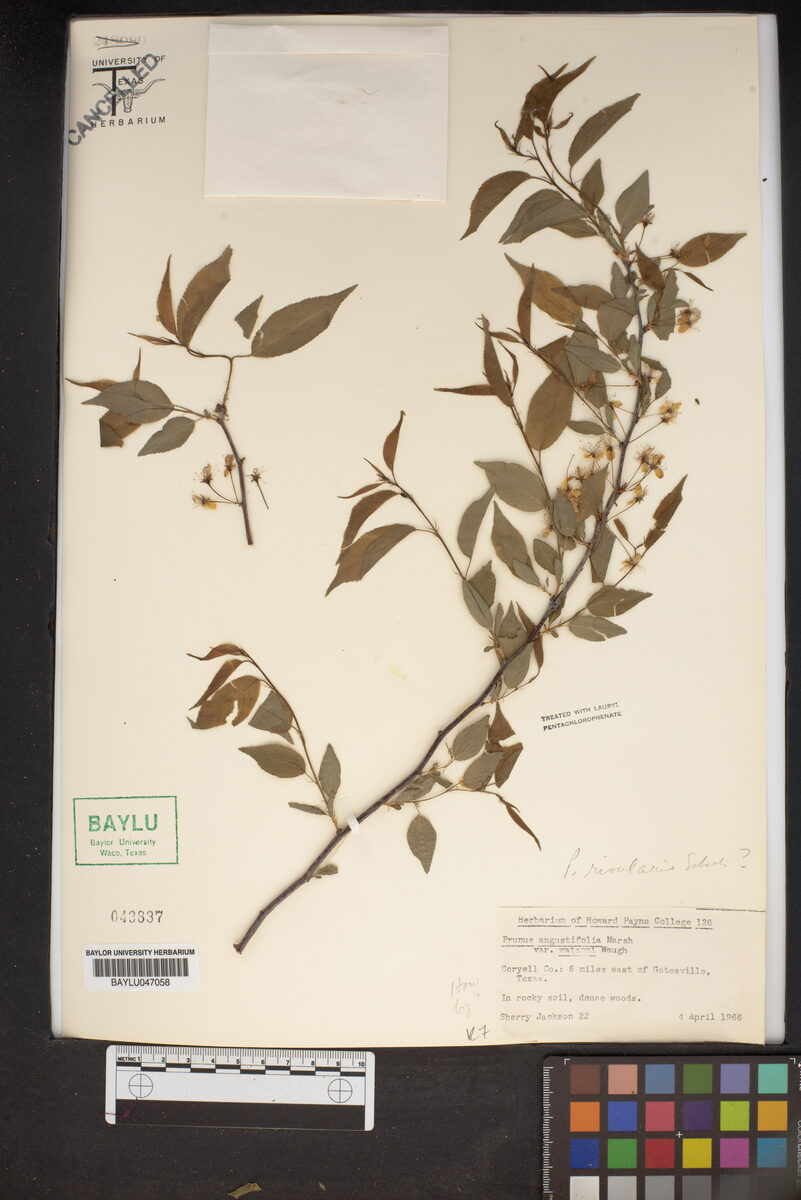
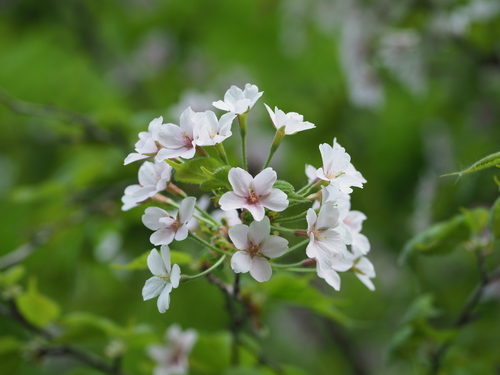
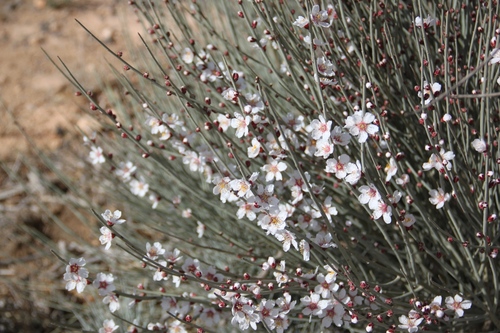
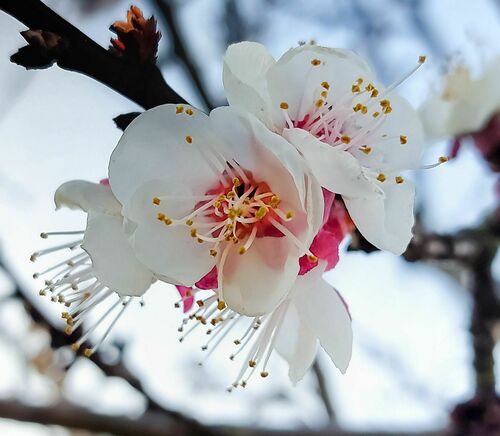
Potentilla palustris - (L.)Scop.
(L.)Scop.
Marsh Cinquefoil
gbif· cc-by
GBIF
gbif· cc-by
GBIF
gbif· cc-by
GBIF
Description
Potentilla palustris is a PERENNIAL growing to 0.5 m (1ft 8in) by 1.5 m (5ft). See above for USDA hardiness. It is hardy to UK zone 3. It is in flower from May to August. The species is hermaphrodite (has both male and female organs) and is pollinated by Insects. The plant is self-fertile. Suitable for: light (sandy), medium (loamy) and heavy (clay) soils. Suitable pH: mildly acid, neutral and basic (mildly alkaline) soils and can grow in very acid soils. It can grow in semi-shade (light woodland) or no shade. It prefers wet soil.
Edible Uses
Tea. The dried leaves are a tea substitute.
Medicinal Uses
Astringent Dysentery. The root is astringent. A decoction has been used in the treatment of dysentery and stomach cramps.
Distribution
Europe, including Britain, from Iceland south and east to the Pyrenees, temperate Asia and Japan.
Where It Grows
TEMPERATE ASIA: Russian Federation-Ciscaucasia (Ciscaucasia), Azerbaijan, Russian Federation (Buryatia, Gorno-Altay, Tyva, Respublika, Yakutia-Sakha, Altay, Krasnoyarsk, Chita, Irkutsk, Kemerovskaja oblast, Kurganskaja oblast, Novosibirsk, Omsk, Tomsk, Tyumen), Mongolia, Japan (Hokkaidô, Honshu) NORTHERN AMERICA: Canada (Northwest Territories, Yukon, Québec, Nova Scotia, Ontario, Prince Edward Island, New Brunswick, Newfoundland and Labrador, Saskatchewan, Alberta, Manitoba, British Columbia), Greenland, United States (Connecticut, Indiana, Maine, Massachusetts, Michigan, New Hampshire, New Jersey, New York, Ohio, Pennsylvania, Vermont, Illinois, Iowa, Minnesota, Wisconsin, Colorado, Idaho, Montana, Oregon, Washington, Wyoming, California (north), Utah (northeast)) EUROPE: Denmark, Finland, Faroe Islands, United Kingdom, Ireland, Iceland, Norway, Sweden, Austria, Belgium, Switzerland, Czech Republic, Germany, Hungary, Netherlands, Poland, Slovakia, Russian Federation (European part), Belarus, Estonia, Lithuania, Latvia, Ukraine, Bulgaria, Croatia (north), Italy (north), North Macedonia, Romania, Slovenia, Spain, France
Cultivation
Requires a moist to wet soil, preferably on the acid side. A very cold-hardy plant, tolerating temperatures down to about -25°c. A rapidly spreading plant, capable of forming clumps several metres across. It is a plant for the wild wet garden. Members of this genus are rarely if ever troubled by browsing deer.
Propagation
Seed - sow early spring or autumn in a cold frame. When they are large enough to handle, prick the seedlings out into individual pots and grow them on in the greenhouse for their first winter. Plant them out into their permanent positions in late spring or early summer, after the last expected frosts. Division in spring. Larger divisions can be planted out direct into their permanent positions. We have found that it is better to pot up the smaller divisions and grow them on in light shade in a cold frame until they are well established before planting them out in late spring or early summer.
Other Uses
Dye TanninA red dye is obtained from the flowers. Tannin is obtained from the root.