Garuga floribunda var. gamblei
(Kung ex W. W. Sm.) Kalkman
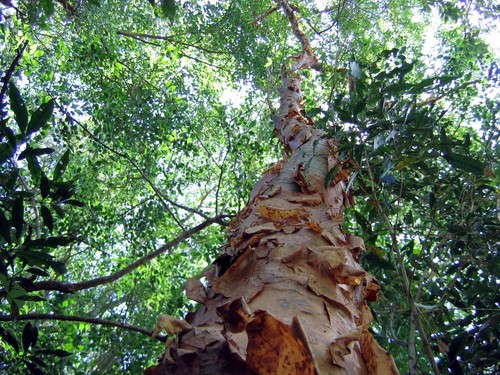
iNaturalist· cc-by-nc
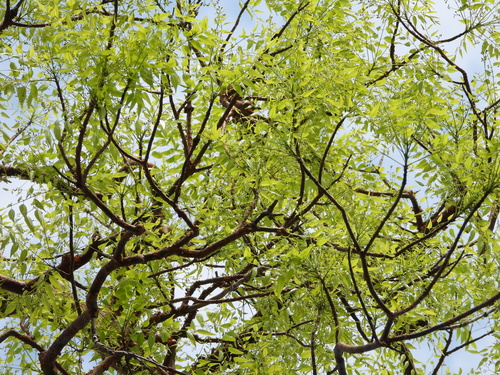
(c) Alan McArthur, some rights reserved (CC BY-NC), uploaded by Alan McArthur
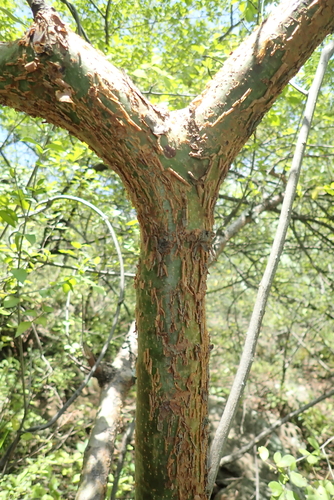
iNaturalist· cc-by
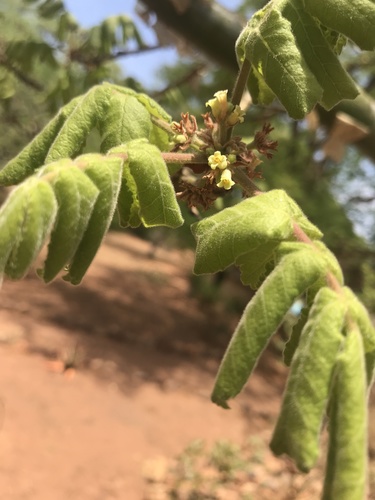
(c) coenobita, some rights reserved (CC BY), uploaded by coenobita
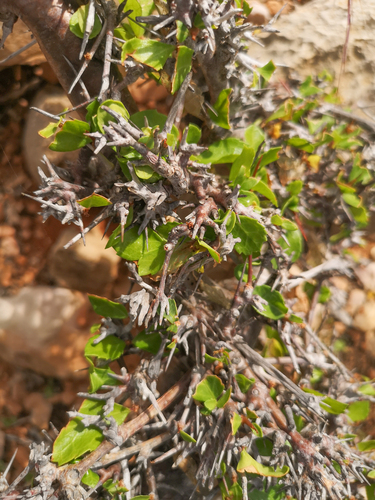
iNaturalist· cc-by-nc
(c) Alan McArthur, some rights reserved (CC BY-NC), uploaded by Alan McArthur
Summary
Source: WikipediaGaruga floribunda, commonly known as garuga, is a plant in the frankincense and myrrh family Burseraceae, with a broad distribution from northeastern India through southeast Asia and northern Australia to the southwestern Pacific. It is a tree up to 36 m (118 ft) tall and a trunk diameter up to 90 cm (35 in). The compound leaves are about 38 cm (15 in) long, arranged spirally and clustered near the tips of the branches. The leaflets are odd in number, with dentate margins, and measure up to 10 cm (3.9 in) long by 5 cm (2.0 in) wide. The inflorescence is a branched panicle carrying numerous flowers, each about 5 mm (0.20 in) long with five sepals and five white to yellow petals. There are ten stamens and a single style. The fruit is a drupe up to 17 mm (0.7 in) long and 25 mm (1.0 in) wide, green to black, containing a jelly-like flesh and up to five seeds.
Description
A tree. It grows 8-26 m tall. The leaves have 9-19 leaflets. The fruit are round and 5-9 mm long by 5-12 mm wide.
This description is brief — help expand it
Edible Uses
The fruit is edible.
Distribution
It is a subtropical plant.
Where It Grows
Asia, Bangladesh, China,
Synonyms
Also Known As
Garuga, Jongli jiga
References (1)
- Pasha, M. K. & Uddin, S. B., 2019, Minor Edible Fruits of Bangladesh. Bangladesh J. Plant Taxon. 26(2): 299–313