Juniperus communis var. saxatilis
Pall.
Common juniper
iNaturalist· cc-by-nc
(c) FreckLes, some rights reserved (CC BY-NC), uploaded by FreckLes
iNaturalist· cc-by
(c) Andrew Bazdyrev, some rights reserved (CC BY), uploaded by Andrew Bazdyrev
iNaturalist· cc-by-sa
(c) Douglas Goldman, some rights reserved (CC BY-SA), uploaded by Douglas Goldman
Summary
Source: WikipediaJuniperus communis, the common juniper, is a species of small tree or shrub in the cypress family Cupressaceae. An evergreen conifer, it has the largest geographical range of any woody plant, with a Holarctic distribution throughout the cool temperate Northern Hemisphere.
Description
Nana is a low lying form. It is a ground cover plant.
This description is brief — help expand it
Edible Uses
Its astringent blue-black seed cones, commonly known as juniper berries, are too bitter to eat raw and are usually sold dried and used to flavour meats, sauces, and stuffings. They are generally crushed before use to release their flavour. Since juniper berries have a strong taste, they should be used sparingly. They are generally used to enhance meat with a strong flavour, such as game, including game birds, or tongue. The cones are used to flavour certain beers and gin (the word "gin" derives from an Old French word meaning "juniper"). In Finland, juniper is used as a key ingredient in making sahti, a traditional Finnish ale. Also the Slovak alcoholic beverage Borovička and Dutch Jenever are flavoured with juniper berry or its extract. Archaeological evidence suggests that the use of juniper in brewing may date back to at least the early medieval period. Juniper remains have been found at migration period and early Merovingian sites in southwestern Germany, indicating it may have been used to flavor beverages like beer as early as the 3rd to 6th centuries AD. Juniper is used in the traditional farmhouse ales of Norway, Sweden, Finland, Estonia, and Latvia. In Norway, the beer is brewed with juniper infusion instead of water, while in the other countries the juniper twigs are mainly used as filters to prevent the crushed malts from clogging the outlet of the lauter tun. The use of juniper in farmhouse brewing has been common in much of northern Europe, seemingly for a very long time.
Traditional Uses
The leaves are boiled to produce a coffee like drink.
This uses section is brief — help expand it
Medicinal Uses
Juniper berries have long been used as medicine by many cultures including the Navajo people. Western American tribes combined the berries of J. communis with Berberis root bark in a herbal tea. Native Americans also used juniper berries as a female contraceptive.
Distribution
A temperate plant.
Where It Grows
Asia, Australia, Britain, Canada, Europe, Kurdistan, Malaysia, North America, SE Asia, Spain, Turkey, Türkiye, USA,
Synonyms
Also Known As
Bodur ardic
References (4)
- Ertug, F, Yenen Bitkiler. Resimli Türkiye Florası -I- Flora of Turkey - Ethnobotany supplement
- Moerman, D. F., 2010, Native American Ethnobotany. Timber Press. p 280 (As Juniperus communis var. montana Aiton)
- Plants for a Future database, The Field, Penpol, Lostwithiel, Cornwall, PL22 0NG, UK. http://www.scs.leeds.ac.uk/pfaf/ (As Juniperus nana)
- J. E. Smith, Engl. bot. ed. 3[B], 8:275, t. 1383. 1868 (As Juniperus communis subsp. nana Syme)
More from Cupressaceae
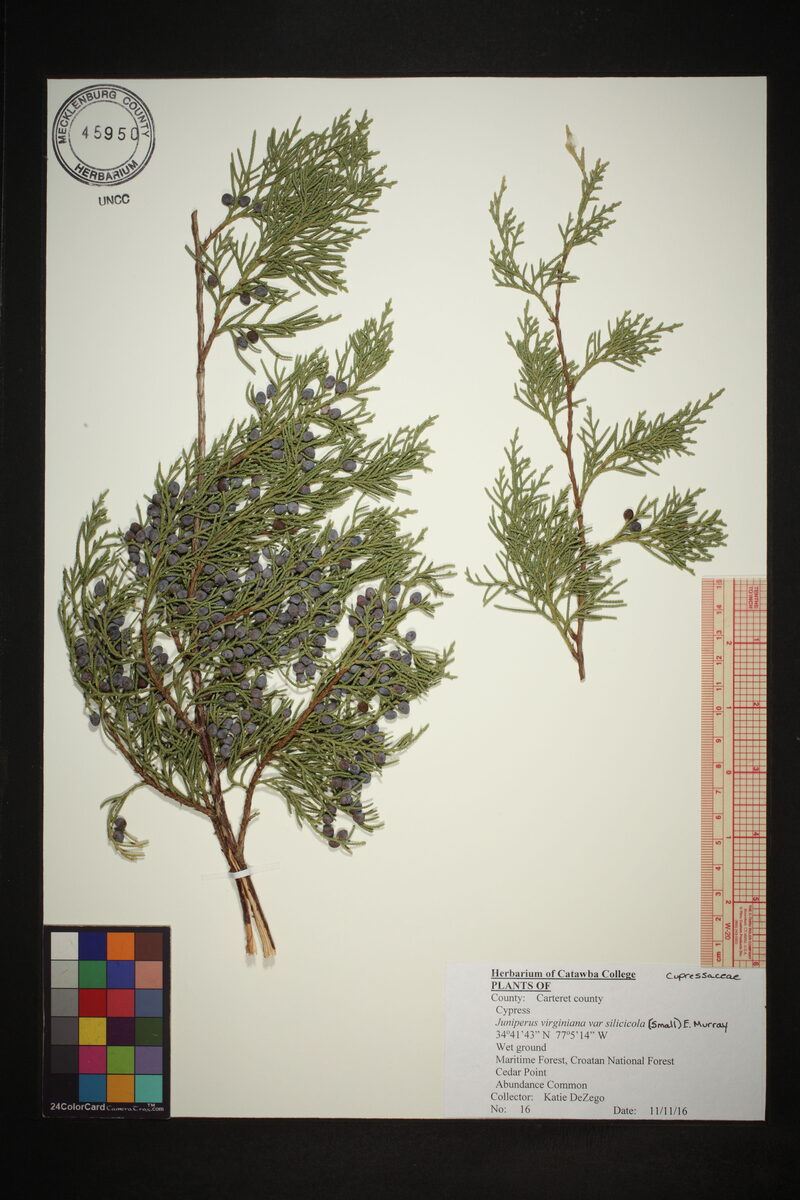
Juniperus silicicola - (Small.)L.H.Bailey.
Southern Redcedar, Juniper, Southern Red Cedar
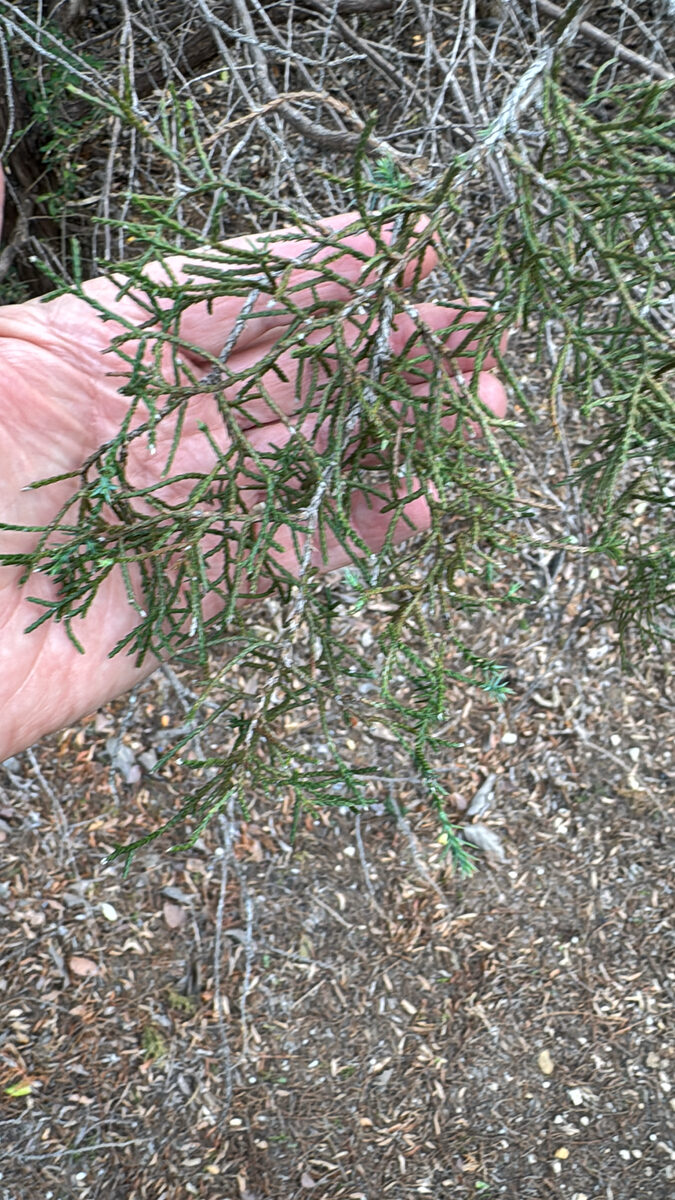
Juniperus tetragona
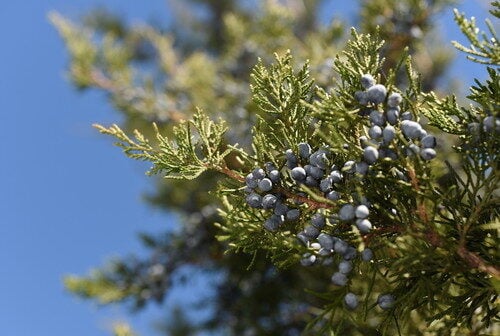
Juniperus virginiana
Pencil Cedar, Eastern redcedar, Southern redcedar, Silver Cedar, Burk Eastern Red Cedar, Silver East
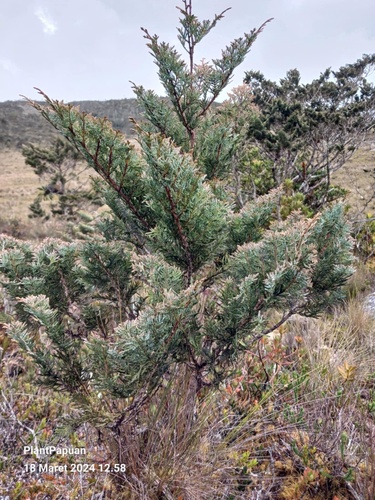
Papuacedrus papuana
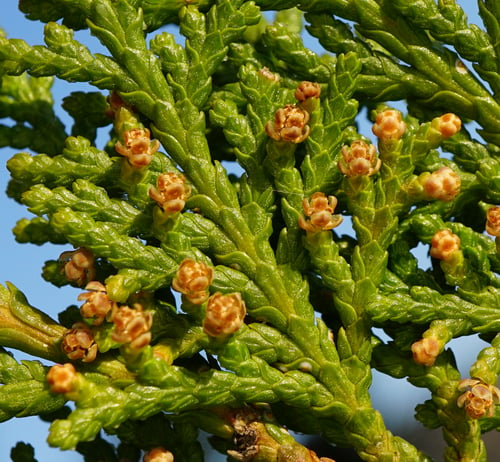
Platycladus orientalis
Oriental cedar
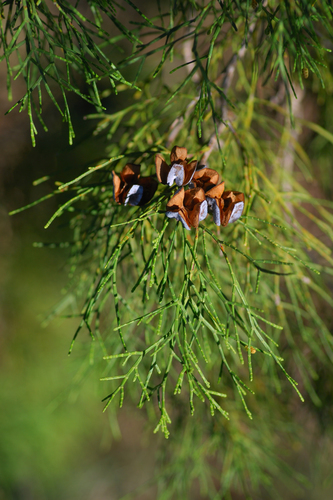
Tetraclinis articulata
Arartree