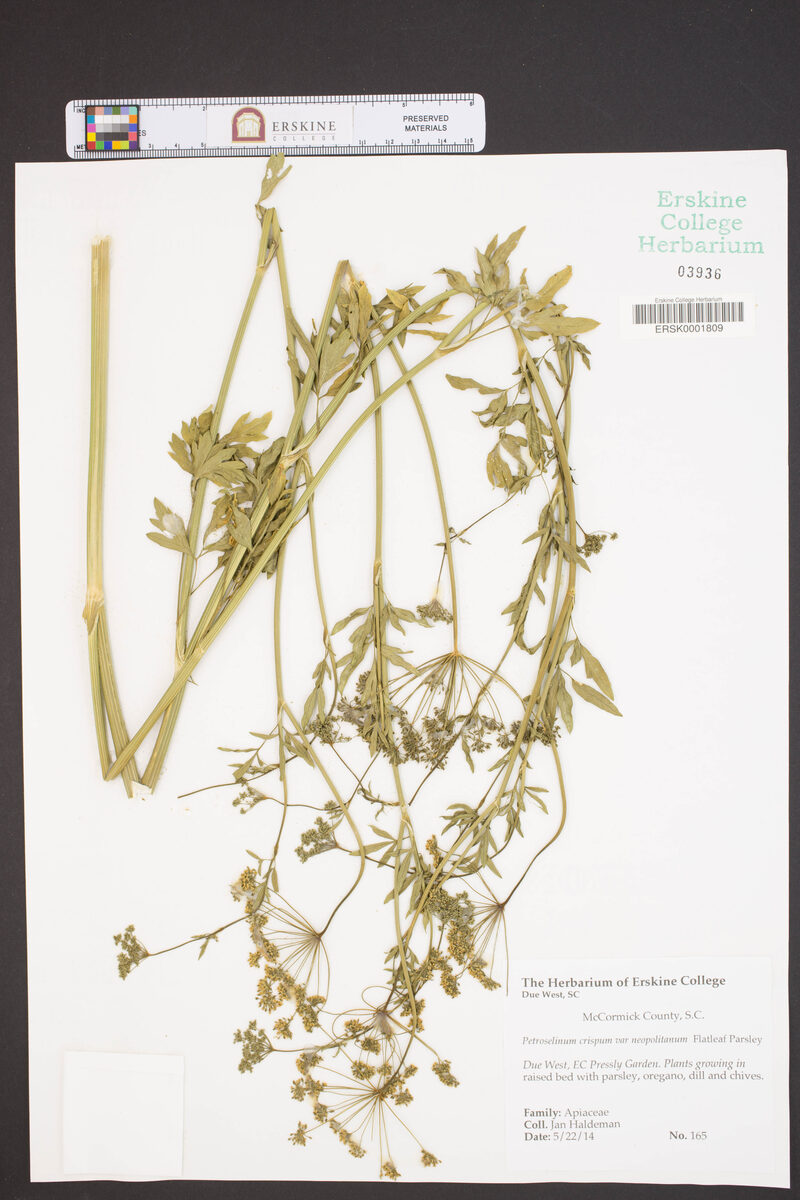
Thapsia villosa
L.
iNaturalist· cc-by-nc-sa
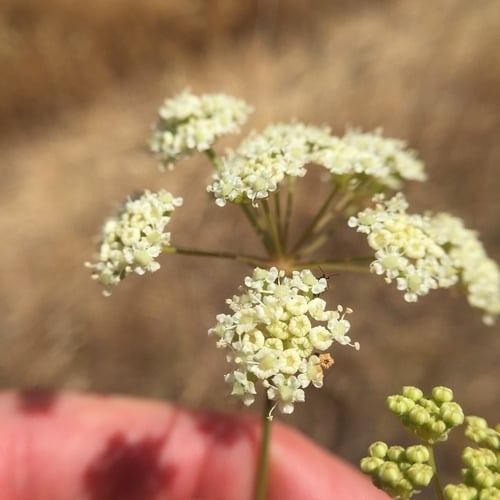
(c) Valter Jacinto, some rights reserved (CC BY-NC-SA)
iNaturalist· cc-by
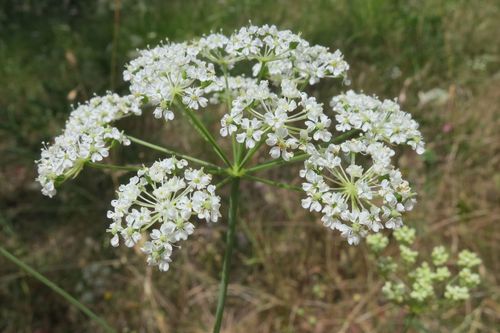
(c) Denis Bastianelli, some rights reserved (CC BY), uploaded by Denis Bastianelli
iNaturalist· cc-by-nc
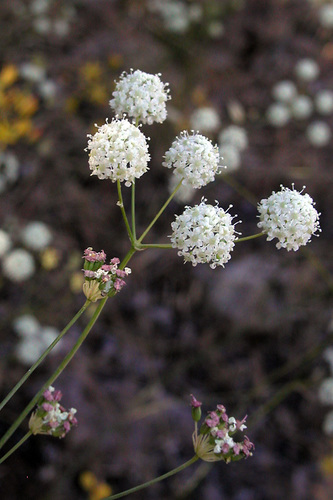
(c) elisabraz, some rights reserved (CC BY-NC), uploaded by elisabraz
Summary
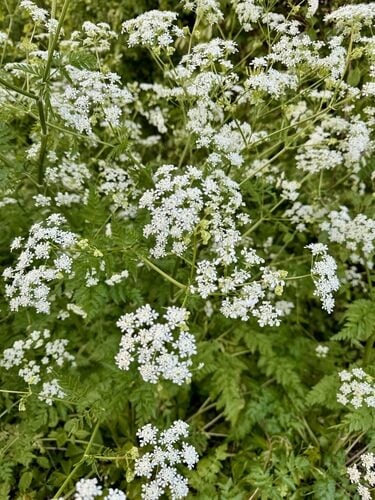
Source: WikipediaThapsia villosa, commonly known as the villous deadly carrot, is a species of poisonous herbaceous plants in the genus Thapsia. It grows to about 70 to 190 cm (28 to 75 in) in height. It has pinnate hairy leaves with sheath-like petioles. The flowers are yellow in color and borne on compound umbels. They develop into fruits with four wings characteristic of the genus. It is native to southwestern Europe and northwestern Africa surrounding the Mediterranean Sea. The plant was used extensively for traditional medicine since around the 3rd century BC.
Description
A herb in the carrot family (Apiaceae) found in Mediterranean climate regions.
This description is brief — help expand it
Edible Uses
The roots are peeled and used in soup, and are also dried and used as a spice.
Traditional Uses
The roots are peeled and used in soup. They are also dried and used as a spice.
This uses section is brief — help expand it
Medicinal Uses
The medicinal properties of the members of the genus Thapsia were recognized as early 300 BC. In traditional medicine, the roots of Thapsia villosa were used as a purgative and emetic. Resin from the Thapsia villosa was used as a blister-producing agent (vesicant) or a counterirritant, similar to resin derived from Thapsia garganica. In Spain, the resin is also traditionally used in Segarra as treatment for scabies. Poultices made from root bark infused with oil was used as a pain-reliever and for treating rheumatism. These were also used in Salamanca for treating cracks in horse hooves. Traditional medicinal uses of the plant, however, are now considered largely ineffective and highly inadvisable due to the danger posed by the poisons of Thapsia villosa.
Known Hazards
Thapsia villosa is highly poisonous. Skin contact with the roots can cause severe itching and swelling.
Distribution
It is a Mediterranean climate plant.
Where It Grows
Africa, Europe, Mediterranean, Morocco, North Africa, Spain,
Also Known As
Abou, Canaheja
References (2)
- Blanco-Salas, J., et al, 2019, Wild Plants Potentially Used in Human Food in the Protected Area “Sierra Grande de Hornachos” of Extremadura (Spain). Sustainability 2019, 11, 456
- Tbatou, M, et al, 2016, Wild Edible Plants traditionally used in the countryside of El Jadida, Coastal Area in the Center of Morocco. Life Sciences Leaflets 75:28-48