Crataegus mollis
(Torr. & A. Gray.) Scheele.
Downy hawthorn, Red haw
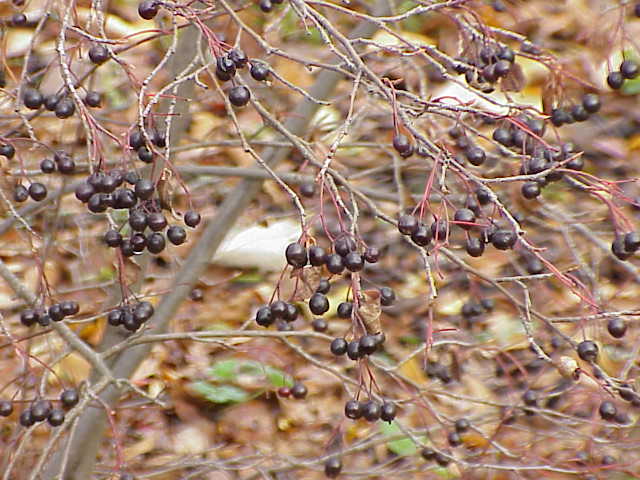
iNaturalist· cc-by-nc
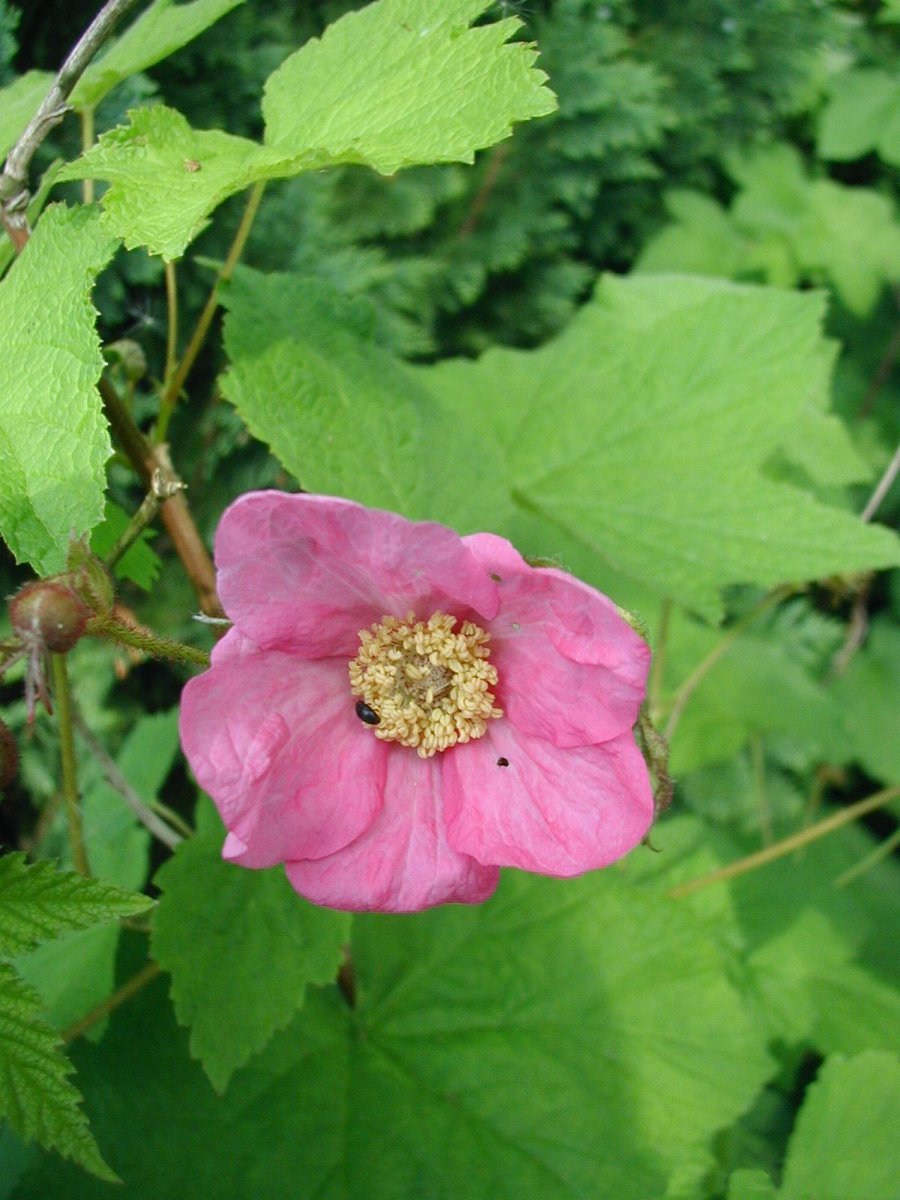
(c) Oscar Contreras, some rights reserved (CC BY-NC), uploaded by Oscar Contreras
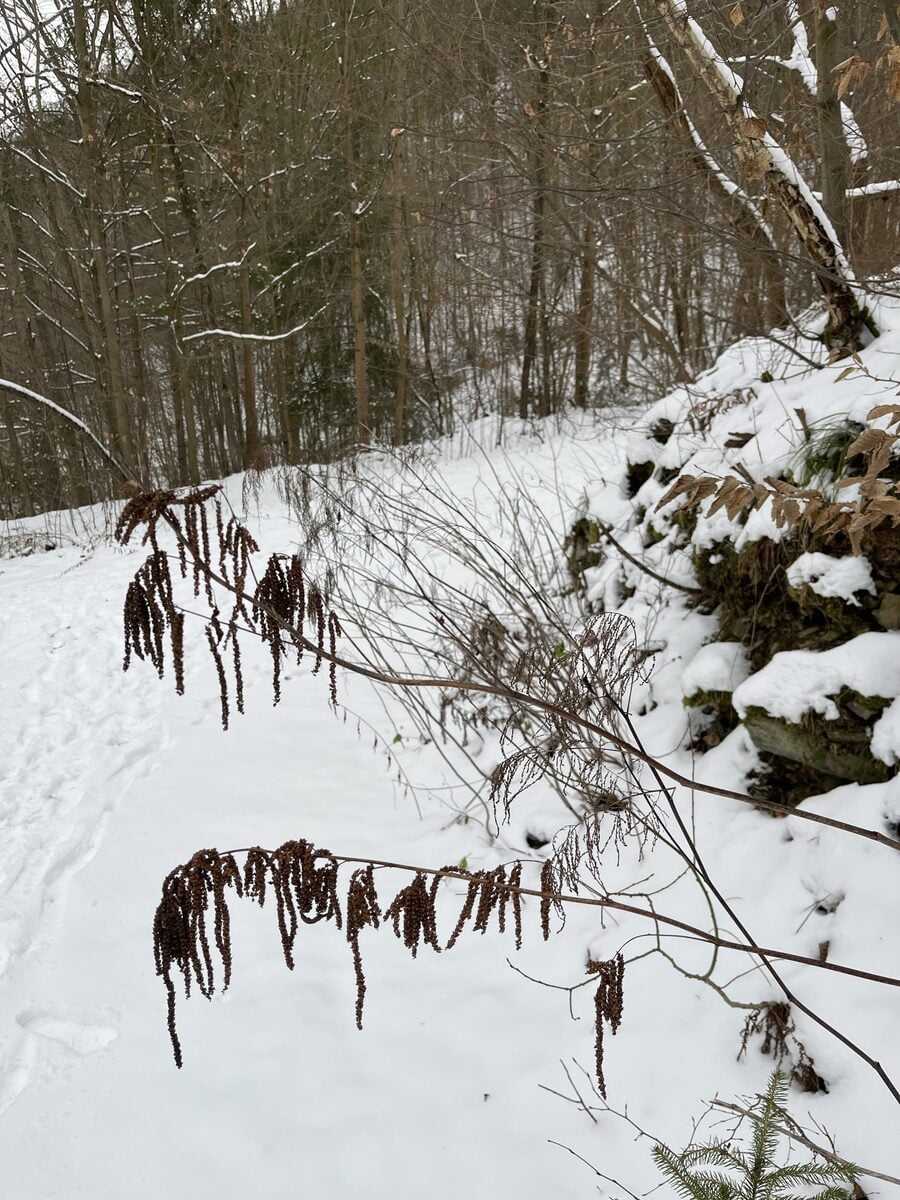
iNaturalist· cc-by-nc
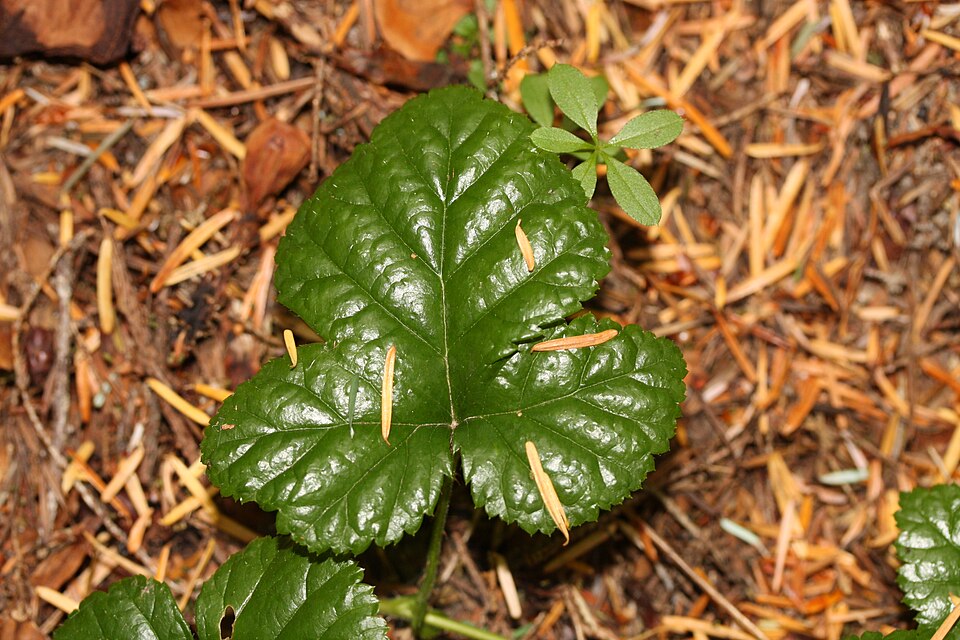
(c) Pat Deacon, some rights reserved (CC BY-NC), uploaded by Pat Deacon
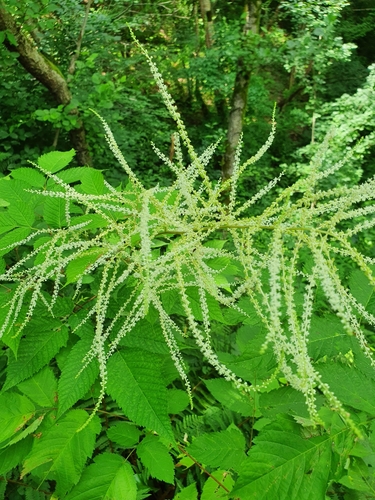
iNaturalist· cc-by-nc-nd
(c) Dan Mullen, some rights reserved (CC BY-NC-ND)
Summary
Source: WikipediaCrataegus mollis, known as downy hawthorn or red hawthorn, is a species of plant that occurs in eastern North America from southeastern North Dakota east to Nova Scotia and southwest to eastern Texas. The range of this species is from southern Ontario and Michigan to eastern North Dakota and southward to Denison, Texas, and Arizona. This tree inhabits wooded bottomlands, the prairie border, and the midwest savanna understorey.
Description
A small deciduous tree. It grows up to 10-12 m high. The bark is red-brown. It becomes grey-brown and cracks into scaly plates. The leaves are 4-8 cm long. They are widest below the middle. Leaves are coarsely double toothed. The leaves are dark green and hairy. The thorns are 2-6 cm long. They are straight and slender. The flowers are 2.5 cm across and white with yellow anthers. They occur in broad heads on downy stalks. The fruits are round and 10-12 mm across. They are red.
Edible Uses
The fruit can be eaten raw or cooked — it is sub-acid, dry, and mealy — and is fairly large at around 20–25mm in diameter with a thick flesh. It is well suited to making jellies and preserves. Up to five fairly large seeds in the centre tend to stick together, giving the impression of eating a cherry-like fruit with a single stone. A tea-like beverage can also be brewed from the twigs.
Medicinal Uses
Although no specific research has been recorded for this species, the fruits and flowers of hawthorns in general are well established in herbal folk medicine as a heart tonic — a reputation supported by modern research. Both parts exert a hypotensive effect and act as a gentle, direct cardiac tonic, making them particularly useful for treating a weak heart accompanied by high blood pressure. Treatment must be continued over a prolonged period to be effective, and is typically taken as a tea or tincture.
Distribution
It is native to C. United States. It grows near woods and often on limestone. Temperate. In Arboretum Tasmania.
Where It Grows
Australia, Canada, North America, Tasmania, USA,
Cultivation
Plants can be grown from seed. The seed need cold treatment. Plants can also be grafted.
Propagation
Seed is best sown fresh in autumn in a cold frame; some will germinate the following spring, though most are likely to take a further year. Stored seed germinates slowly and erratically — warm stratify for 3 months at 15°C, then cold stratify for 3 months at 4°C, and even then germination may take another 18 months. Scarifying before stratification may shorten this period, and fermenting the seed briefly in its own pulp can also help. Alternatively, harvest seed 'green' — once the embryo is fully developed but before the seedcoat hardens — and sow immediately in a cold frame for possible spring germination. For small batches, pot seedlings individually as soon as they are large enough to handle and grow on for the first year before planting out in late spring. For larger quantities, sow direct into a protected outdoor seedbed and undercut the roots if plants are to remain in situ for more than two years.
Other Uses
The plant tolerates trimming well and will resprout even when cut back into very old wood, making it suitable for use as a hedge. The wood is heavy, hard, tough, and close-grained, and is useful for tool handles, mallets, and other small items. The plant is also noted for its scent.
Notes
There are 200 or more Crataegus species.
Synonyms
References (13)
- Beckstrom-Sternberg, Stephen M., and James A. Duke. "The Foodplant Database." http://probe.nalusda.gov:8300/cgi-bin/browse/foodplantdb.(ACEDB version 4.0 - data version July 1994)
- Bodkin, F., 1991, Encyclopedia Botanica. Cornstalk publishing, p 295
- Coombes, A.J., 2000, Trees. Dorling Kindersley Handbooks. p 242
- Elias, T.S. & Dykeman P.A., 1990, Edible Wild Plants. A North American Field guide. Sterling, New York p 237
- Farrar, J.L., 1995, Trees of the Northern United States and Canada. Iowa State University press/Ames p 391
Show all 13 references Hide references
- Fisk, J. R. & Hoover, E., 2015, Wild Fruits of Minnesota. A Field Guide. University of Minnesota p 23
- Kermath, B. M., et al, 2014, Food Plants in the Americas: A survey of the domesticated, cultivated and wild plants used for Human food in North, Central and South America and the Caribbean. On line draft. p 275
- Linnaea 21:569. 1848
- Little, E.L., 1980, National Audubon Society Field Guide to North American Trees. Alfred A. Knopf. p 477
- MacKinnon, A., et al, 2009, Edible & Medicinal Plants of Canada. Lone Pine. p 80
- Plants for a Future database, The Field, Penpol, Lostwithiel, Cornwall, PL22 0NG, UK. http://www.scs.leeds.ac.uk/pfaf/
- Saunders, C.F., 1948, Edible and Useful Wild Plants. Dover. New York. p 92
- Toupal, R. S. & Hollenback, K., 2009, An Ethnobotany of Indiana Dunes National Lakeshore: Plant Uses of the Ojibwa People. Bureau of Applied Research in Anthropology. University of Arizona