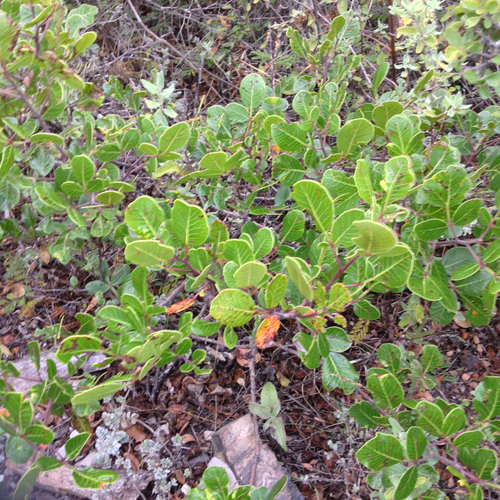
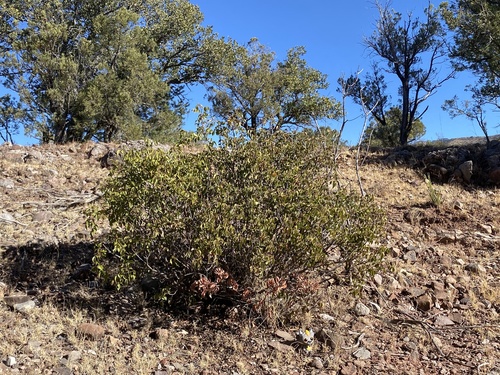
Searsia glauca
(Thunb.) Moffett
iNaturalist· cc-by
(c) Matthew Fainman, some rights reserved (CC BY), uploaded by Matthew Fainman
iNaturalist· cc-by
(c) Matthew Fainman, some rights reserved (CC BY), uploaded by Matthew Fainman
iNaturalist· cc-by
(c) Matthew Fainman, some rights reserved (CC BY), uploaded by Matthew Fainman
Summary
Source: WikipediaSearsia glauca (or the blue kuni-rhus) is a small, compact tree or bush native to the Cape Provinces of South Africa. Although commonest near the coast, it is also found inland among fynbos vegetation. Searsia glauca has potential medicinal effects and antioxidant properties that can aid in the prevention of cell injury or death.
Description
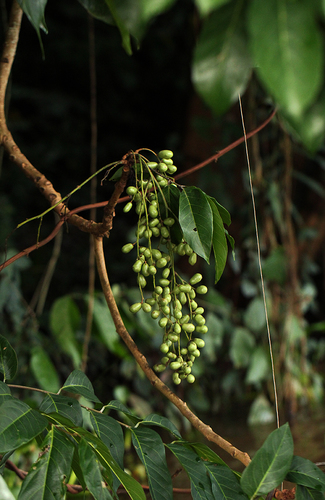
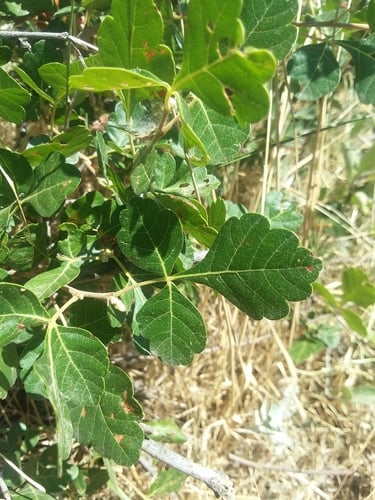
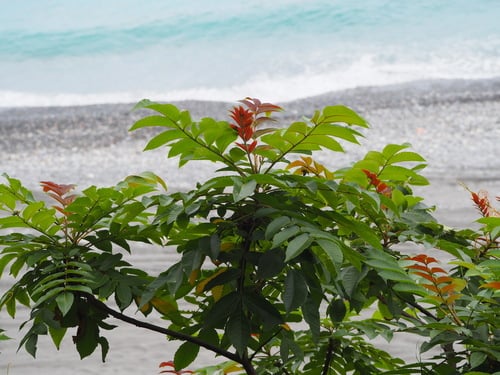
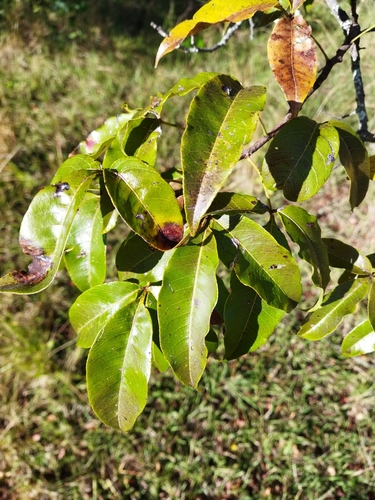
A shrub. It grows 4 m high. The bark is grainy and grey brown. The leaves have 3 leaflets. They are 1 cm long. The flowers are small and greenish white. The fruit is reddish. They are 4-6 mm long by 3-4 mm wide.
Edible Uses
The ripe fruit are eaten raw.
Traditional Uses
The ripe fruit are eaten raw.
This uses section is brief — help expand it
Distribution
It is a subtropical plant.
Where It Grows
Africa, South Africa, Southern Africa,
Synonyms
Also Known As
Konkeltaaibos, Kraaikos, Spreeubos, Taaibos
References (3)
- De Vynk, J. C., et al, 2016, Indigenous edible plant use by contemporary Khoe-San descendants of South Africa's Cape South Coast. South African Journal of Botany. 102 (2016) 60-69
- Ruiters-Welcome, A. K., 2019, Food plants of southern Africa. Ph.D. thesis. Univ. of Johannesburg p 15
- Welcome, A. K. & Van Wyk, B.-E., 2019, An inventory and analysis of the food plants of southern Africa. South African Journal of Botany 122 (2019) 136–179