Lessonia corrugata
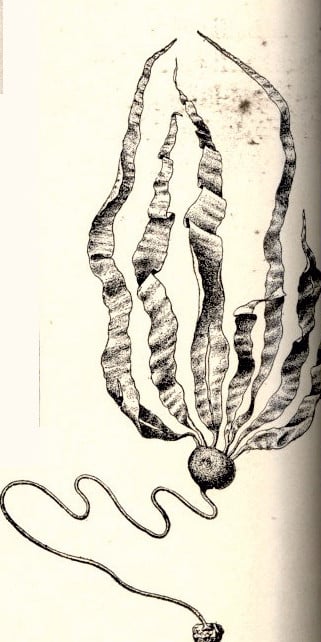
A. H. S. Lucas
Kombu
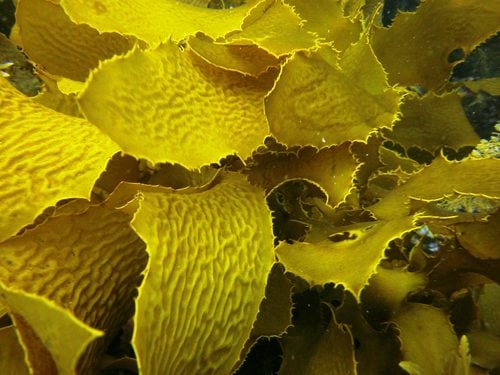
iNaturalist· cc-by
(c) ttsquid, some rights reserved (CC BY)
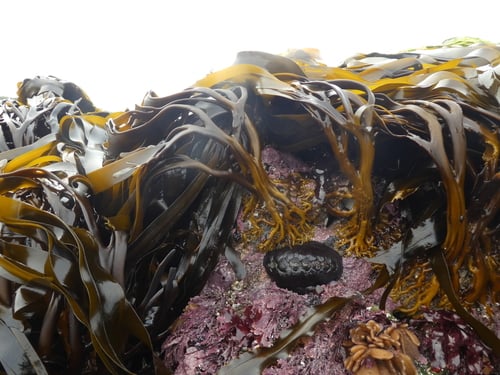
iNaturalist· cc-by-nc-sa
(c) smithsonian_marinegeo, some rights reserved (CC BY-NC-SA)
iNaturalist· cc-by-nc
(c) tarnh, some rights reserved (CC BY-NC)
Summary
Source: WikipediaLessonia corrugata is a species of kelp, a brown algae in the genus Lessonia, commonly known as strapweed, common crapweed, or Tasmanian kombu. It is a subtidal species endemic to Tasmania and southern Victoria, Australia, and is the least studied of the only three Laminarian kelps in the region. The species was first described by Arthur Henry Shakespeare Lucas in 1931, and is most closely related to the New Zealand species Lessonia variegata. Lessonia corrugata is a dominant species in some Tasmanian kelp forests, but remains poorly studied. It is currently being developed for use in aquaculture, to produce food, feed, kelp biomass, and for environmental remediation purposes in IMTA finfish farms. However, it has also been identified as highly vulnerable to ocean warming.
Description
A kelp-type algae in the family Lessoniaceae.
This description is brief — help expand it
Edible Uses
The leaves are eaten.
Where It Grows
Australia, Tasmania,
References (1)
- Hughes, L. J. et al, 2018, Vitamin D Content of Australian Native Food Plants and Australian-Grown Edible Seaweed. Nutrients 2018, 10, 876