Dicranostigma lactucoides
Hook.f. & Thoms.
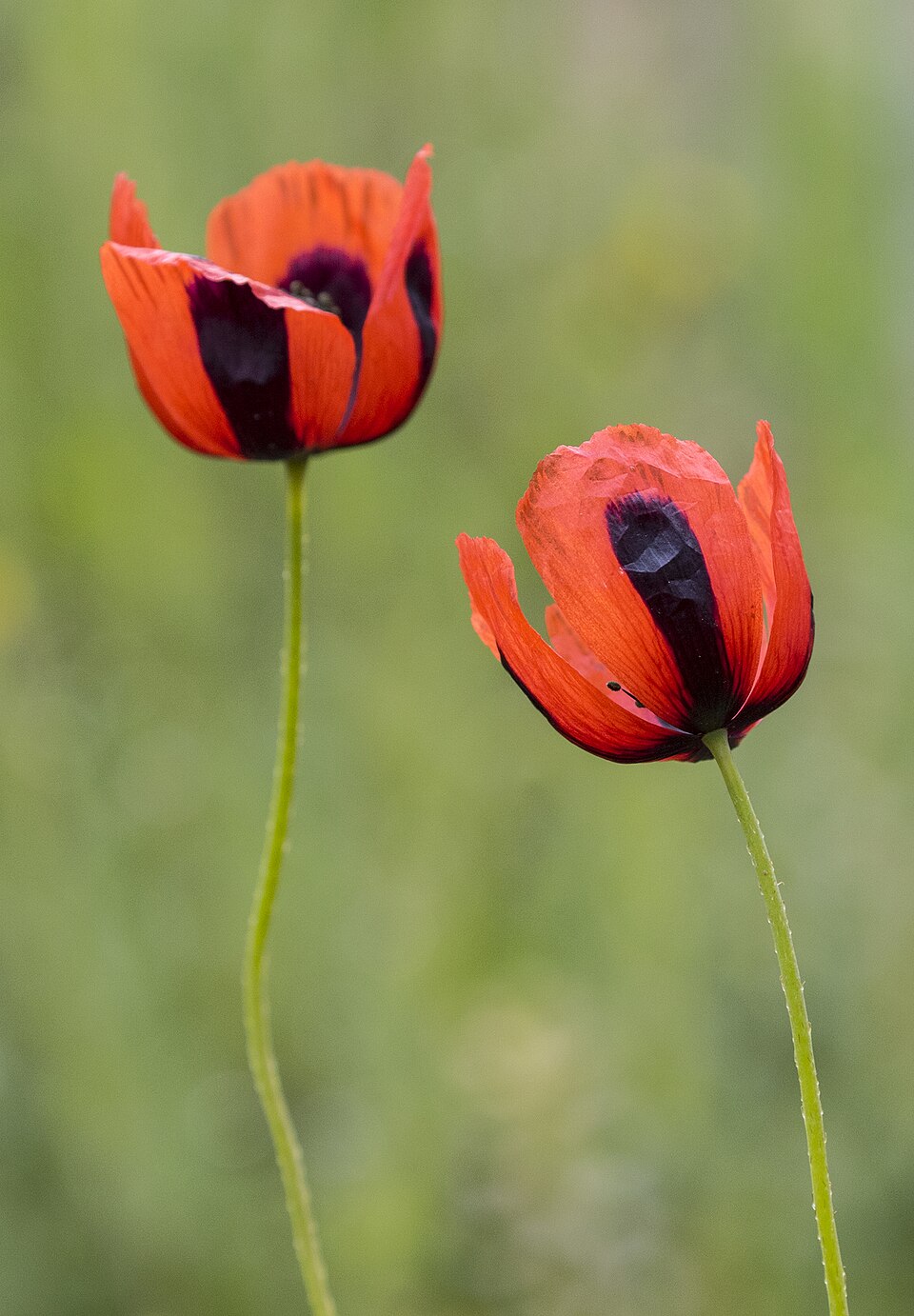
iNaturalist· cc-by-nc-nd
(c) Ryan Van Meter, some rights reserved (CC BY-NC-ND), uploaded by Ryan Van Meter
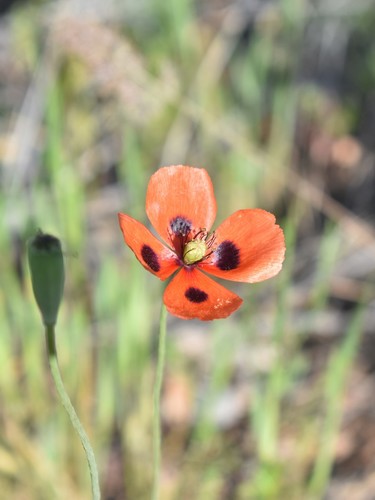
iNaturalist· cc-by-nc
(c) akerwin70, some rights reserved (CC BY-NC)
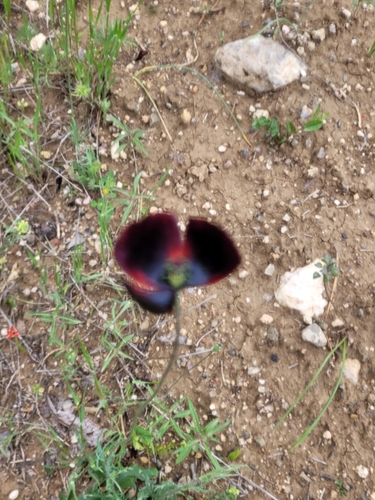
iNaturalist· cc-by-nc
(c) akerwin70, some rights reserved (CC BY-NC)
Description
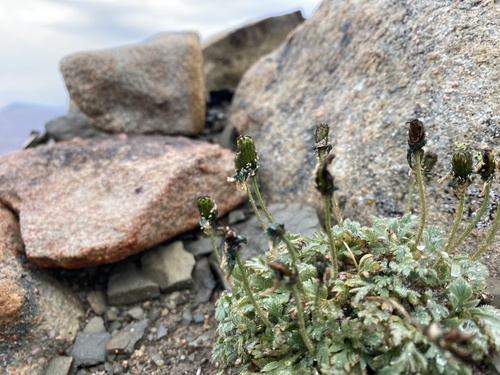
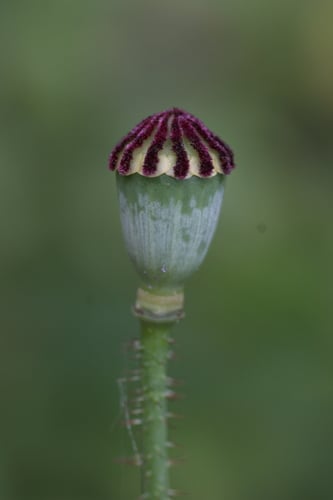
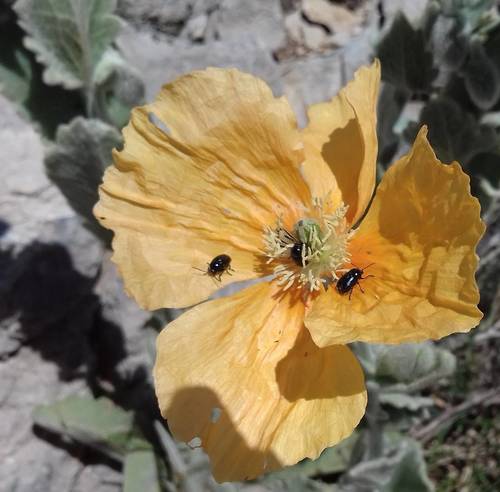
A herb that keeps growing from year to year. It is thinly hairy. The stems and roots have a yellow juice. The leaves at the base are in a dense ring. They are narrowly sword shaped with lobes along the sides. The leaves on the stems are smaller and without stalks. The flowers are orange or yellow and on slender curved stalks. They can be at the top or in the axils of leaves along the stems. The fruit is a cylinder shaped curved capsule.
Edible Uses
The young leaves are cooked to make a thick soup, traditionally eaten with porridge or buckwheat bread.
Traditional Uses
The young leaves are cooked to make a thick soup. This is eaten with porridge or buckwheat bread.
This uses section is brief — help expand it
Distribution
It is a temperate plant. In Nepal it grows between 2,700-4,200 m above sea level.
Where It Grows
Asia, China, Himalayas*, India, Nepal, Tibet,
Synonyms
Also Known As
Dudhe sag, Kogle sag, Kyerap, Rhafendhi, Talla metog, Tsa thank
References (1)
- Ghimire, S. K., et al, 2008, Non-Timber Forest Products of Nepal Himalaya. WWF Nepal p 107