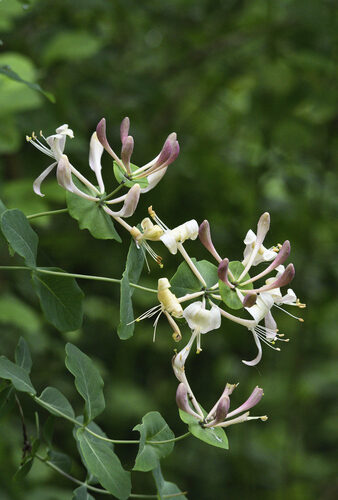
Knautia arvensis
(L.) Coult.
iNaturalist· cc-by-nc
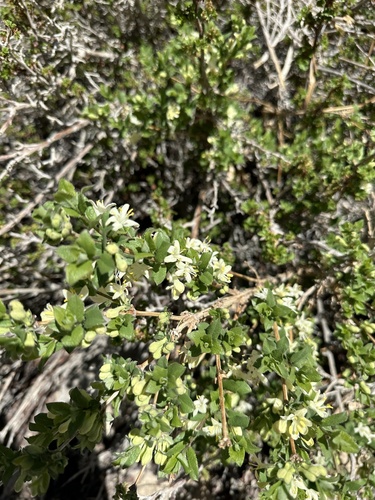
(c) Stella Mielke, some rights reserved (CC BY-NC), uploaded by Stella Mielke
iNaturalist· cc-by
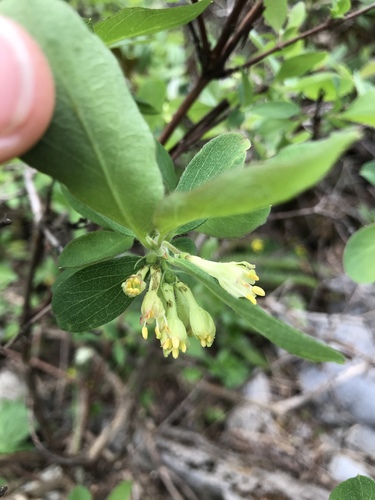
(c) Harrison J Elkins, some rights reserved (CC BY)
iNaturalist· cc-by
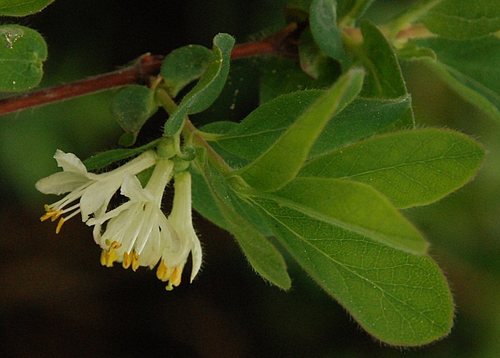
(c) Harrison J Elkins, some rights reserved (CC BY)
Summary
Source: WikipediaKnautia arvensis, commonly known as field scabious, is a herbaceous perennial species of flowering plant in the honeysuckle family Caprifoliaceae.
Description
A hardy perennial reaching 1 m tall and 0.4 m wide, flowering from July to September. Hermaphroditic flowers attract bees and butterflies. Thrives in light, medium, or heavy soils with good drainage, tolerating mildly acidic to very alkaline conditions. Grows in semi-shade or full sun and adapts to both dry and moist soil.
Edible Uses
No edible uses are known for this plant.
Traditional Uses
The young leaves are boiled in mixtures. They are used in omelettes and soups.
This uses section is brief — help expand it
Medicinal Uses
The whole plant is astringent and mildly diuretic. An infusion is taken internally as a blood purifier and applied externally to cuts, burns, and bruises. Either fresh or dried flowering plant can be used, with or without the roots. A homeopathic remedy prepared from the plant is used as a blood purifier and for treating eczema and other skin disorders.
Distribution
It is a temperate or Mediterranean climate plant.
Where It Grows
Europe, Italy, Luxembourg, Mediterranean,
Propagation
Sow seed in spring or autumn in a cold frame. Prick seedlings into individual pots when large enough and plant out in summer. If seed is plentiful, an outdoor sowing in situ in spring is worth trying, as seed germinates in spring in the wild. Divide in spring. Take basal cuttings in late spring by harvesting shoots around 10–15cm long with plenty of underground stem. Pot into individual pots and keep in light shade in a cold frame or greenhouse until rooting well, then plant out in summer.
Other Uses
No other uses are known for this plant.
Synonyms
Also Known As
Vedovina, Zampe di gallina
References (2)
- Biscotti, N. et al, 2018, The traditional food use of wild vegetables in Apulia (Italy) in the light of Italian ethnobotanical literature. Italian Botanist 5:1-24
- Mattalia, G., et al, 2012, Traditional uses of wild food and medicinal plants among Brigasc, Kye ́, and Provenc ̧al communities on the Western Italian Alps. Genet Resour Crop Evol. Springer